Nvidia invests $2 billion in Nebius to expand AI GPU infrastructure
Nvidia just made one of its largest direct equity bets outside its own supply chain. The company announced a $2 billion investment in Nebius, an Amsterdam-based AI infrastructure company, acquiring an 8.3% stake. This is not a strategic partnership announcement with vague commitments attached. It is a concrete financial position in a company that builds and operates GPU-dense data centers for AI workloads.
Nebius was carved out of Yandex's international assets in 2023 after Yandex restructured its business amid geopolitical pressures. Since then, the company has been building out AI cloud infrastructure aimed at startups, research labs, and mid-sized enterprises that need serious compute but are not large enough to negotiate directly with hyperscalers. Nebius operates data centers across Europe and is expanding into North America.
What Nebius is actually building
The company's stated target is to deploy over 5 gigawatts of data center capacity by 2030. For context, a single gigawatt of data center power can support roughly 100,000 high-end GPU servers depending on configuration. Five gigawatts is an enormous build-out, and it puts Nebius in the same conversation as national-scale cloud projects in Europe and the US.
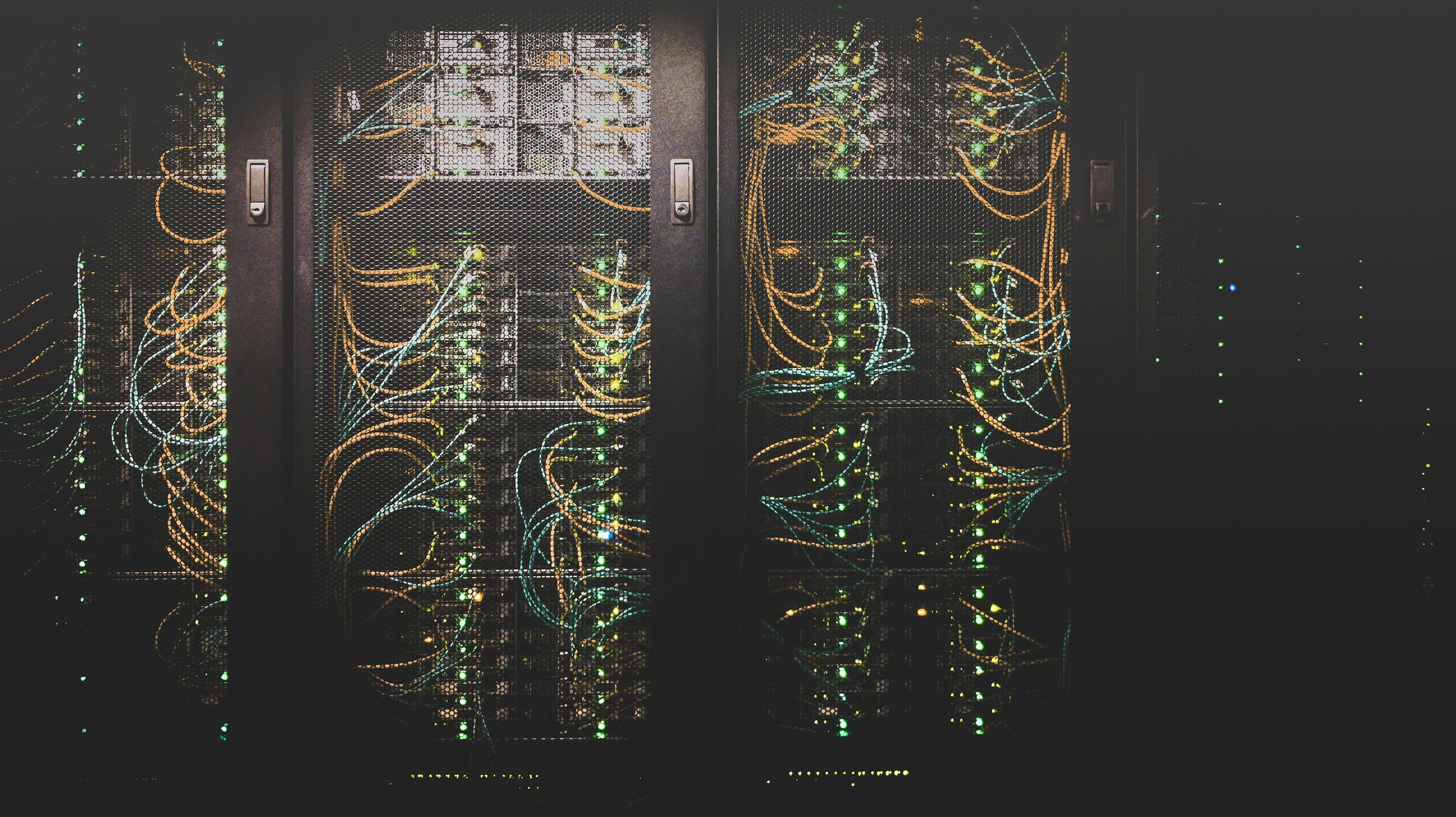
Nebius positions itself as an AI neocloud, a term for cloud providers that are purpose-built for AI workloads rather than general-purpose computing. Unlike AWS or Azure, which offer a wide spectrum of services, Nebius focuses almost entirely on GPU compute, storage optimized for training runs, and networking built around high-throughput AI jobs. That focus lets them price competitively for AI-specific customers who do not need the full suite of enterprise cloud features.
Why Nvidia is writing checks, not just shipping chips
Nvidia's chip business is obvious. What is less discussed is how aggressively the company has been investing in the companies that buy its chips. By taking an equity stake in Nebius, Nvidia is essentially financing the demand for its own H100 and H200 GPUs. The more data centers Nebius builds, the more Nvidia hardware gets deployed. It is a straightforward flywheel, but the scale of this particular bet is notable.
Nvidia has made similar moves before. The company invested in CoreWeave, another AI-focused cloud provider, before CoreWeave went public earlier this year. It also holds positions in several AI startups through its NVentures arm. The Nebius deal follows the same logic but at a larger dollar amount than most of its prior equity investments.
There is also a geographic dimension. Nebius is headquartered in Amsterdam and has a strong footprint in Europe. European AI infrastructure has lagged behind the US, partly due to energy costs and regulatory complexity. A well-capitalized Nebius with Nvidia's backing could accelerate compute availability for European AI companies that currently rely on US-based cloud regions, adding latency and compliance complications to every workload.
What this signals about AI demand beyond the big three
For years, the narrative around AI compute concentrated on Microsoft, Google, and Meta. Those three companies have spent tens of billions on Nvidia hardware and built their own custom silicon alongside it. But the demand picture has broadened considerably. Thousands of smaller AI companies, research institutions, and national AI programs need GPU access without the overhead of negotiating hyperscaler contracts.
That gap is exactly where companies like Nebius operate. And the fact that Nvidia is willing to put $2 billion behind one of them suggests the company sees sustainable demand in this segment, not just from the largest players. If Nebius hits its 5-gigawatt target by 2030, it would represent a meaningful portion of global AI compute capacity outside the hyperscaler ecosystem.
The financial picture for Nebius
Nebius went public on the Nasdaq in October 2024 under the ticker NBIS. The stock had a rocky start, which is fairly typical for infrastructure companies that are burning capital to build out physical assets before revenue catches up. The Nvidia investment should provide both financial runway and a credibility signal to other institutional investors watching the stock.
At 8.3%, Nvidia becomes one of Nebius's largest single shareholders. That kind of position gives Nvidia visibility into Nebius's build plans, procurement timelines, and capacity roadmap. It is not a controlling stake, but it is large enough to matter in board discussions and future capital raises.
Nebius will likely use the capital to accelerate hardware procurement, land new data center sites, and hire infrastructure engineers. GPU procurement alone at current market prices could absorb most of that $2 billion before the end of 2025 if the company moves aggressively on its expansion timeline.
Broader implications for the AI infrastructure market
The Nebius deal is one data point in a broader shift happening in AI infrastructure. Capital is flowing into specialized compute providers at a pace that was hard to imagine three years ago. Venture-backed AI clouds, sovereign AI programs, and corporate spinouts are all competing to deploy GPU capacity at scale. The constraint is no longer just money. It is power, land, and Nvidia's own production capacity.
By investing directly in infrastructure companies, Nvidia is effectively pre-selling future chip demand. It also means Nvidia has a stake in seeing these companies succeed beyond the initial hardware sale. That changes the relationship from a vendor dynamic to something closer to a long-term financial partnership, which benefits both parties as long as AI compute demand keeps growing at its current pace.
Nebius's next major milestone will be its Q2 2025 earnings report, where investors will look for evidence that its data center expansion is translating into contracted revenue rather than just capital expenditure. Nvidia's investment buys time, but the business still has to convert infrastructure into paying customers at scale.
AI Summary
Generate a summary with AI


