Mistral AI raises $830 million in debt to build out European compute infrastructure
Mistral AI has closed an $830 million debt financing round, its first major debt raise, from a group of seven banks. The money is earmarked for two specific things: purchasing 13,800 Nvidia chips and accelerating construction of a large data center near Paris. The deal tells you something about how quickly the calculus around AI infrastructure has changed. Banks that would have needed considerable convincing to lend against an AI company's compute assets two years ago are now writing nine-figure checks to do exactly that.
What the $830 million actually buys
The 13,800 Nvidia chips are the immediate priority. Mistral has not specified which GPU model it is purchasing, but at current market pricing for H100s, which run roughly $30,000 to $35,000 per unit depending on configuration and contract terms, a batch of 13,800 would cost somewhere between $414 million and $483 million. That range leaves meaningful capital for the data center construction itself, which involves civil works, power infrastructure, and cooling systems well before a single GPU is installed.
The Paris-area data center is intended to be a large facility, not a co-location arrangement. Building owned compute infrastructure, rather than renting capacity from AWS or Azure, gives Mistral more control over how its models are trained and served, and removes a layer of dependency on American cloud providers. That distinction matters politically in the European context, where the question of who controls the infrastructure running AI workloads has become a genuine policy concern.
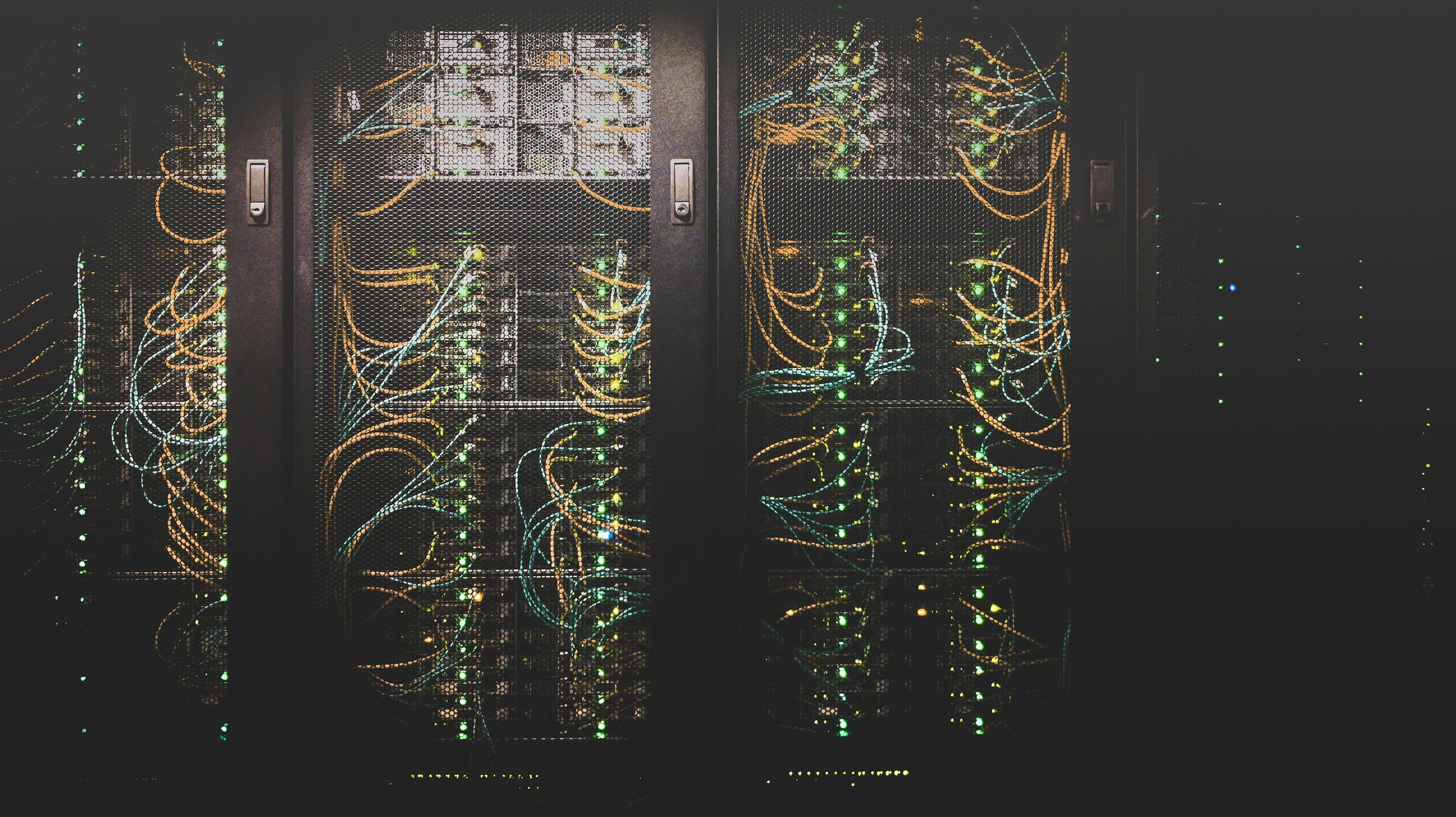
The 200 megawatt target and what it requires
Mistral is targeting 200 megawatts of compute capacity across Europe by the end of 2027. That is a substantial number. For comparison, a single large hyperscale data center campus typically draws between 100 and 500 megawatts at full load, depending on its size and the density of the hardware it runs. Getting to 200 megawatts in roughly 20 months means Mistral needs to move fast on both site permitting and power procurement, which are consistently the two longest lead-time items in any data center build.
Sweden is part of the expansion plan. The country has become a preferred location for data center investment in Europe because of its access to cheap renewable electricity, a stable grid, and a cool climate that reduces cooling costs. Swedish electricity prices for industrial users have historically run well below the European average, which matters when you are running thousands of GPUs around the clock. Microsoft, Meta, and several Nordic operators have all expanded data center footprints in Sweden for the same reasons.
Why lenders are now treating GPU clusters as collateral
Debt financing secured against AI hardware is a relatively new structure. Nvidia GPUs are expensive, in high demand, and trade actively in secondary markets, which makes them reasonable collateral in a way that most software assets are not. Blackstone and Magnetar Capital were among the first to extend large credit facilities to AI companies against GPU inventory in 2023. Since then, the structure has become more common, with CoreWeave raising $7.5 billion in debt financing against its GPU fleet in 2024 before going public.
For Mistral, using debt rather than equity to fund infrastructure has a practical advantage. Raising $830 million in equity would require giving up a meaningful ownership stake and likely accepting a valuation negotiation with investors. Debt financing, assuming Mistral can service the interest payments from its existing revenue, leaves the cap table unchanged. Mistral was valued at approximately $6 billion in its June 2024 Series B round, which raised $640 million in equity.
Mistral's position in the European AI market
Mistral was founded in April 2023 by Arthur Mensch, Guillaume Lample, and Timothee Lacroix, all of whom came from either Google DeepMind or Meta's research teams. The company released its first model weights publicly just four months after founding, which built early credibility in the developer community. Its Mistral 7B model attracted significant attention for performing well against larger models on standard benchmarks despite having far fewer parameters.
The French government has been openly supportive of Mistral as a European counterweight to American AI labs. President Macron referenced the company by name in speeches about French technology ambitions. That political backing has not translated into direct subsidies, as far as public disclosures show, but it has helped Mistral navigate regulatory environments and land enterprise contracts with European public sector clients who have a preference for keeping sensitive workloads on European-controlled infrastructure.
Mistral's next public milestone will likely be the Paris data center reaching operational status. The company has not announced a specific completion date, but given that the debt financing is now closed and chip procurement can begin immediately, the first hardware installations could realistically begin within six to nine months.
AI Summary
Generate a summary with AI