Mistral AI raises $830 million in debt to build European AI infrastructure
Mistral AI has closed an $830 million debt financing round arranged by a consortium of seven banks, making it the French startup's first major debt raise since its founding in 2023. The money goes directly toward hardware: 13,800 Nvidia chips and a large data center being built near Paris. Mistral's target is 200 megawatts of compute capacity spread across Europe by the end of 2027.
The significance of using debt rather than equity here is worth pausing on. Venture equity dilutes founders and early investors. Debt, when lenders are willing to extend it, lets a company build infrastructure while keeping ownership intact. The fact that seven banks agreed to back an AI startup's hardware build signals that traditional lenders now view AI compute as a bankable asset class, not a speculative bet.
Why Mistral is building its own compute
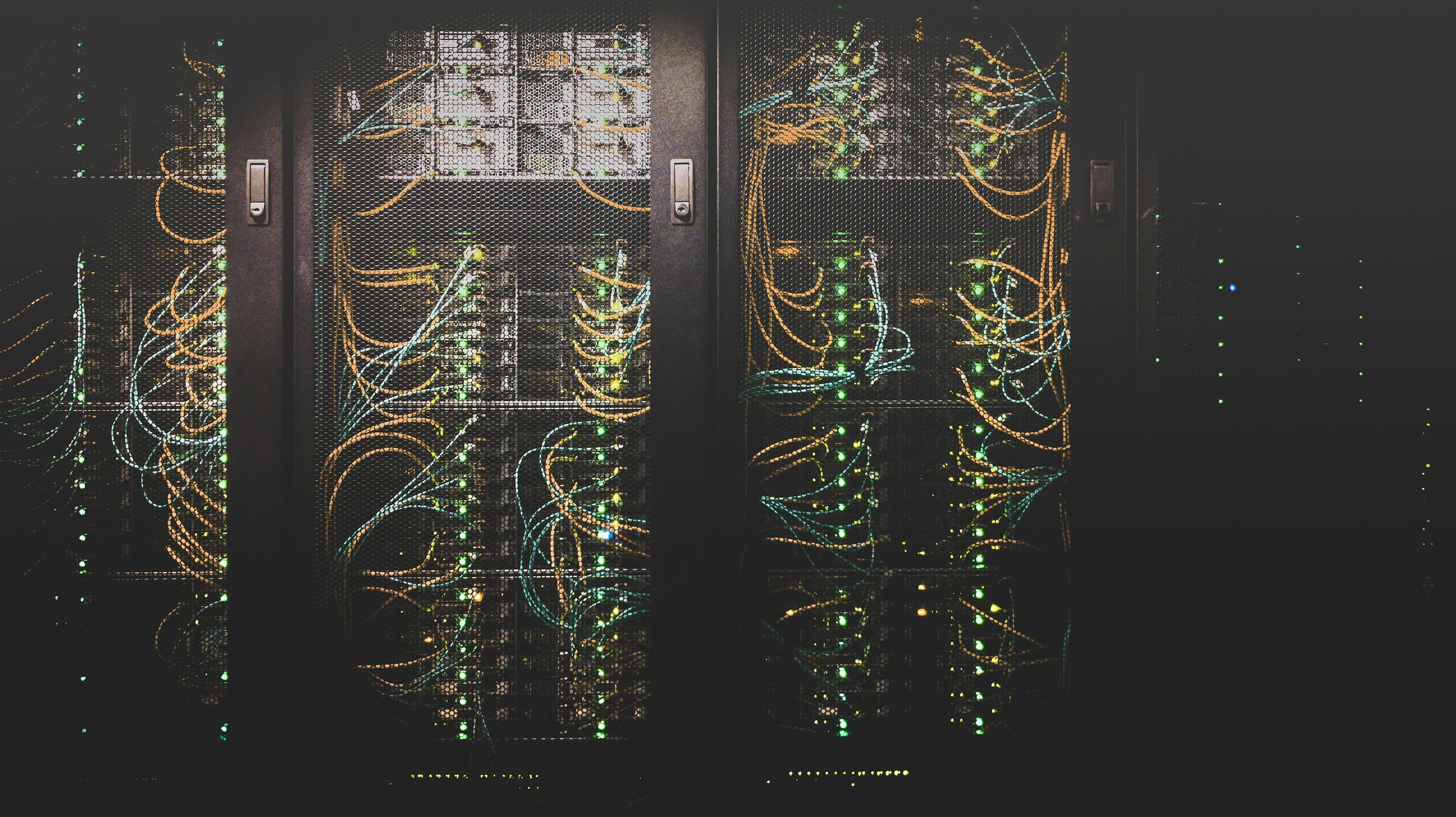
Most AI startups rent compute from AWS, Azure, or Google Cloud. Mistral is taking a different approach. By owning its own chips and data center capacity, Mistral controls its cost structure directly, rather than paying cloud providers a margin on top of hardware costs that are already steep. At 13,800 Nvidia GPUs, the planned build puts Mistral in the same conversation as mid-sized cloud operators in terms of raw capacity.
There is also a strategic reason that goes beyond unit economics. European governments and enterprises are increasingly uncomfortable routing sensitive AI workloads through U.S.-headquartered hyperscalers. French and German public sector contracts, in particular, often require data to stay within EU jurisdiction and on infrastructure with clear European ownership. A Mistral-owned data center near Paris satisfies those requirements in a way that an Azure France Central region technically does not, because the underlying parent company remains American.
The 200 megawatt target and what it takes to get there
Two hundred megawatts is a substantial number. For context, a single modern Nvidia H100 GPU draws around 700 watts under full load. A cluster of 13,800 of them would consume roughly 9.7 megawatts at peak, before accounting for cooling, networking, and facility overhead, which typically doubles or triples that figure. Reaching 200 megawatts of total capacity means Mistral is planning for considerably more than the initial chip purchase, either through additional hardware rounds or expansion to other sites.
Mistral has already indicated plans to expand into Sweden, where cold climate and access to hydroelectric power make data center operations substantially cheaper than in France. Sweden has become a preferred location for large-scale compute in Europe for exactly that reason. Equinix and Microsoft both operate significant data center capacity there. Mistral building in Sweden alongside its Paris anchor would give the company geographic redundancy and lower operational costs per megawatt.
How this fits into the broader European AI push
The European Commission published its AI Continent Action Plan in April 2025, committing 20 billion euros toward AI gigafactories and domestic compute infrastructure across the EU. Mistral's fundraise predates that plan but runs parallel to the same logic: Europe does not want its AI development dependent on American or Chinese hardware access and cloud infrastructure. Mistral is currently the only European AI lab with frontier-class open models and now the first to back that position with owned compute at scale.
Mistral's Mixtral 8x7B model, released in late 2023, was the first open-weights mixture-of-experts model to compete credibly with GPT-3.5 on standard benchmarks. The company has continued releasing models under open and commercial licenses, which has made it a preferred option for European enterprises that want to run inference on their own infrastructure rather than call an external API. Owning compute amplifies that proposition: Mistral can now offer managed inference from its own data centers alongside the open model weights.
What the lender appetite says about AI infrastructure financing
Getting seven banks to co-arrange an $830 million debt facility for an AI startup is not something that would have happened two years ago. The lender group's willingness reflects a few things. Nvidia GPUs retain strong resale value, which makes them reasonable collateral. AI infrastructure generates recurring revenue through inference and API services. And Mistral's existing commercial contracts, including a partnership with Microsoft announced in 2024, provide a visible revenue base against which lenders can model repayment.
SoftBank's $40 billion bridge loan for OpenAI, arranged in March 2026, set a precedent for treating AI infrastructure investment as a category that traditional finance can participate in. Mistral's deal is much smaller, but it follows the same logic: lenders are now willing to underwrite AI compute builds if the borrower has a credible business model and assets that hold value. That is a meaningful change in how AI companies can finance growth without giving up additional equity.
Mistral's position heading into the second half of 2026
Mistral has raised approximately $1.3 billion in total funding across equity and debt since its founding. The company was valued at around $6 billion following its Series B in June 2024. With the debt round closed and hardware procurement underway, the Paris data center is expected to come online in phases through late 2026. The Sweden expansion timeline has not been formally announced.
The 13,800 Nvidia chips being purchased represent one of the larger single GPU orders placed by a European company to date. Delivery timelines for Nvidia's Blackwell architecture chips are currently running several months out due to sustained demand from hyperscalers. Whether Mistral receives H100s, H200s, or Blackwell-generation B200s under the contract has not been disclosed publicly.
AI Summary
Generate a summary with AI
