Tech sector logs fifth straight losing month, longest streak since 2002
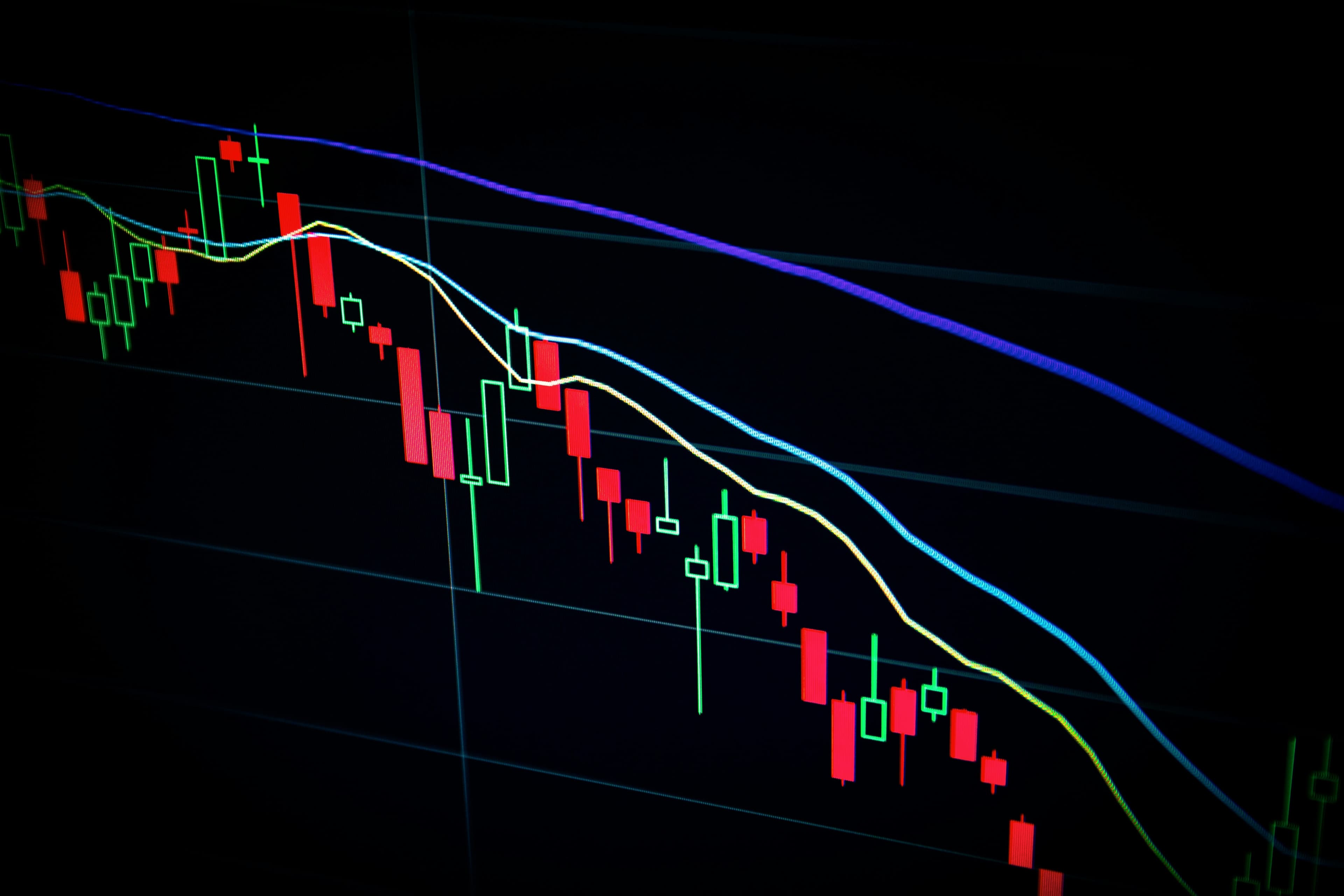
The last time the technology sector bled for five consecutive months was September 2002, when the dot-com crash was still working through its final stages. March 2026 just matched that record. The S&P 500 information technology sector closed the month in the red for the fifth time in a row, and the chart pattern that formed on Monday is the kind traders pay close attention to: the 50-day moving average crossed below the 200-day moving average, a signal known as a death cross.
That pattern does not guarantee further losses. But it does confirm that selling pressure has been consistent enough, over long enough a period, to shift the medium-term trend. For a sector that spent most of 2023 and 2024 leading the market higher on AI optimism, this is a meaningful reversal in momentum.
What the numbers actually show
On Monday, the information technology sector fell more than 1% while eight of the eleven S&P 500 sectors finished the day positive. Financials led with a 1.1% gain. Utilities added 0.7%. Tech sat at the bottom alongside industrials and energy. That kind of broad market strength paired with tech weakness is not a one-day anomaly at this point. It has been the pattern for months.
Nvidia and AMD, two of the sector's largest constituents, have both felt the pressure. Nvidia's stock was near its premarket highs on Tuesday after announcing a $2 billion stake in Marvell Technology, which provided a short-term lift, but the broader trend for the sector remains negative. AMD has struggled with concerns about memory demand and the pace of enterprise AI chip adoption outside hyperscaler budgets.
Why tech has been selling off
Several factors have compounded over the past five months. Rising oil prices have kept inflation expectations elevated, which pushes back the timeline for Federal Reserve rate cuts. Tech stocks, which are valued heavily on future earnings, are particularly sensitive to interest rate expectations. When rates stay higher for longer, the present value of those future earnings shrinks, and so do stock prices.
Trade policy has added another layer of uncertainty. The ongoing tariff environment has disrupted supply chains for semiconductor components, raised manufacturing costs, and created unpredictability for companies that rely on global production networks. Consumer electronics prices have been rising as a result, which compresses margins for hardware-dependent tech companies.
There is also a valuation correction happening. The AI spending cycle drove tech multiples to levels that required near-perfect execution to justify. When results come in solid but not extraordinary, the stocks get punished because the expectations were already priced in. Nvidia's fiscal year revenue more than doubled in recent quarters, yet its stock has still been volatile because the market had priced in that growth and then some.
The 2002 comparison, and what it does and does not mean
Drawing a line to 2002 is useful for historical context but should not be taken too literally. The dot-com bust was a collapse of companies with no earnings, no real products, and valuations built entirely on speculation. Today's tech giants, Nvidia, Microsoft, Apple, Alphabet, are profitable businesses with large cash reserves. The sector is not imploding. It is repricing.
The five-month losing streak in 2002 was followed by continued declines through most of that year before a bottom formed in October. That path is not inevitable now. But the comparison does show that once a sector loses momentum at this scale, recovery rarely happens in a single month. Institutional investors tend to rotate out slowly and return the same way.
Where the money has been going instead
Financials have been the clearest beneficiary of the rotation. Higher interest rates benefit bank net interest margins, and financial stocks have held up well through the same period that tech has declined. Utilities have also attracted money, partly as a defensive play and partly because of their connection to the AI infrastructure buildout, since data centers consume enormous amounts of electricity and utility companies stand to benefit from that demand.
Energy stocks have been volatile due to oil price swings tied to geopolitical developments, but they have still outperformed tech on a five-month basis. Investors looking for yield and stability have found more of both outside the sector that dominated the previous two years.
What to watch in April
Earnings season kicks off in April, and the reports from major semiconductor and cloud companies will matter a lot. If Nvidia, Microsoft, and Alphabet report results that beat expectations and offer strong forward guidance, the death cross signal could turn out to be a false alarm. That has happened before. Conversely, if companies start warning about slower AI capital spending or margin pressure from tariffs, the selling could extend into a sixth month.
The Federal Reserve's next policy meeting is scheduled for May 6-7, 2026. Any shift in the rate outlook before or during earnings season would likely move tech stocks more than individual company results. The sector's next direction will probably be decided by those two events together, not by either one alone.
AI Summary
Generate a summary with AI
