Dow Jumps 300 Points as Oil Prices Fall After Trump Signals Iran War Could End Soon
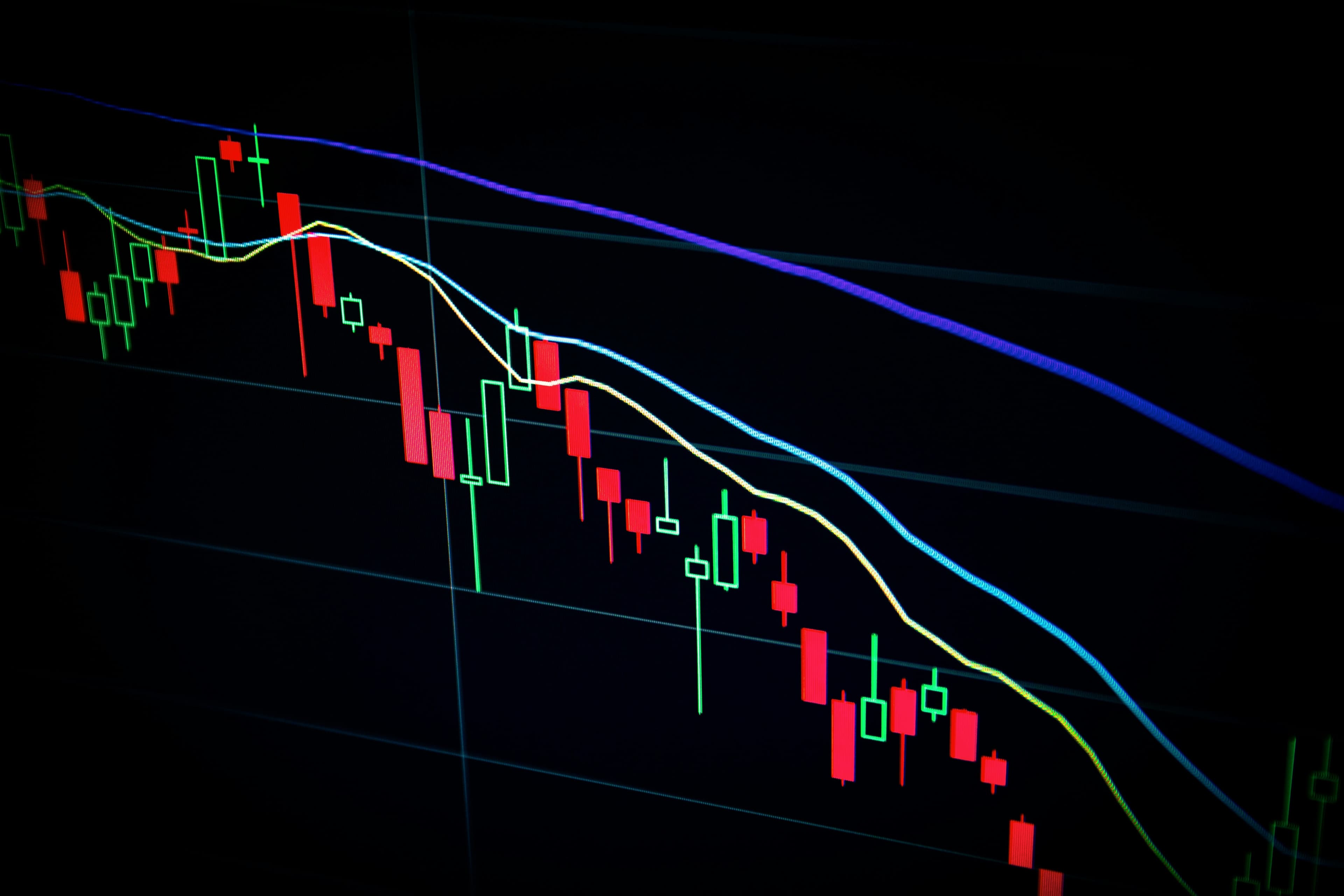
Three words from Donald Trump in a CBS interview — 'very soon' — were enough to move markets significantly on Wednesday. The Dow Jones Industrial Average jumped over 300 points as oil prices fell sharply after the President suggested the US-Iran conflict could be winding down. Brent crude, which had been inching toward $120 per barrel in recent sessions as the Middle East situation deteriorated, pulled back meaningfully on the news. Equity traders, who had been pricing in a prolonged conflict and its effects on energy costs and global supply chains, liked what they heard and bought accordingly. Whether Trump's signal reflects actual diplomatic progress or optimistic improvisation remains the more complicated question.
How Markets Had Been Positioned Before Trump's Comments
Since Operation Epic Fury began on February 28, financial markets had been navigating an unusual combination of pressures. Oil prices were elevated and climbing as Strait of Hormuz shipping disruptions tightened global supply. Equity markets had been volatile — the initial uncertainty of a major US military engagement was gradually being absorbed, but the absence of any clear timeline or endpoint for the conflict kept risk premiums elevated across energy-sensitive sectors. Airlines, shipping companies, chemical manufacturers, and any business with significant fuel cost exposure had seen their stocks under pressure.
The broader indices had managed to hold reasonable levels partly because defense contractors and domestic energy producers were benefiting from the same conflict that was hurting everyone else. The net effect was a market that was not in freefall but was clearly priced for continued uncertainty. Any credible signal that the uncertainty had a near-term resolution date would naturally produce a significant relief rally — which is exactly what happened Wednesday when the President's words hit the tape.
The Oil Price Move and What It Means
Brent crude approaching $120 per barrel had been the number that was making economists and central bankers particularly anxious. At that level, energy costs begin feeding into inflation across virtually every sector of the economy — transportation, food production, manufacturing, heating and cooling. The Federal Reserve, which had been cautiously managing monetary policy through an already uncertain environment, would face significantly harder choices if sustained $120 oil started showing up in consumer price data. The prospect of conflict-driven inflation on top of existing price pressures was one of the more uncomfortable economic scenarios that analysts had been modeling.
Wednesday's oil price pullback on Trump's comments is therefore not just a commodity market story — it is a story about inflation expectations, monetary policy headroom, and the cost of living for ordinary consumers. Every dollar that Brent crude falls from its recent highs translates, with a lag, into lower gasoline prices at the pump, lower diesel costs for trucking and freight, and reduced input cost pressure for manufacturers and food producers. The market move on Wednesday was expressing relief not just about equity valuations but about the entire economic cost trajectory of the conflict.
Parsing What Trump Actually Said
Trump told CBS that the war with Iran could be ending very soon, without providing specifics about what diplomatic or military conditions would need to be met, who the counterparties to any agreement would be, or what the United States would be willing to offer in exchange for a ceasefire or withdrawal. That level of vagueness is characteristic of how Trump communicates on sensitive negotiations — he prefers to signal outcomes without committing to the process that produces them, which preserves flexibility but also makes his statements genuinely difficult to evaluate for their reliability.
Markets moved on the statement anyway, which reflects how badly traders wanted a reason to price out the conflict premium that had been built into oil and certain equity sectors. When the news you want to hear arrives in any form, there is a tendency to treat it as more definitive than it actually is. Professional risk managers know this and will be watching subsequent administration statements, military activity levels, and any diplomatic communications for confirmation that Trump's comment reflects actual progress rather than instinctive optimism expressed in an interview setting.
Sectors That Moved Most on Wednesday
Airlines were among the biggest beneficiaries of the session's move. Jet fuel costs had been one of the more acute pain points for carriers during the conflict period, and any prospect of sustained lower oil prices translates directly into improved margin visibility. Airline stocks have a well-established sensitivity to crude oil prices, and Wednesday's move produced some of the largest single-day gains in that sector in recent weeks. Cruise lines and other travel companies with significant fuel cost exposure moved in the same direction for the same reasons.
Consumer discretionary stocks also participated in the rally, reflecting the broader view that lower energy costs would leave more disposable income available for household spending. Retail, restaurants, and leisure companies that had been pressured by the combination of elevated fuel costs and consumer caution about economic uncertainty saw meaningful gains. Technology stocks, which had been more insulated from the direct conflict effects but sensitive to broader risk appetite, added to existing strength as the risk-off sentiment that had been pervasive eased somewhat.
Defense and Energy Stocks Take the Reverse Hit
The sectors that had been benefiting from the conflict environment saw the inverse move on Wednesday. Defense contractors, which had seen strong gains since Operation Epic Fury began as investors priced in extended military spending, gave back some of those gains on the de-escalation signal. The dynamic is straightforward — if the conflict ends soon, the elevated defense procurement spending that investors had been pricing in becomes less certain. That does not reverse the fundamental long-term defense spending picture, but it takes some of the near-term premium out of the sector.
Domestic oil and gas producers, which had been benefiting from elevated crude prices and the prospect of sustained high energy demand, also pulled back. West Texas Intermediate fell alongside Brent, and exploration and production companies saw their stocks decline as the price environment that had been supporting their revenue outlook showed signs of softening. This is the zero-sum nature of a conflict-driven market — the same news event that lifts one set of businesses pressures another, and Wednesday was a day when the conflict beneficiaries gave ground to the conflict victims.
The Fed's Quiet Exhale
Federal Reserve officials had been watching the oil price trajectory with evident concern, even if their public statements remained carefully measured. The Fed's mandate covers price stability, and a conflict-driven oil price spike that fed into broad consumer inflation would have forced a policy response that nobody at the central bank was eager to make. Raising rates to combat energy-driven inflation while the economy was absorbing the disruptions of an active military conflict would have been a particularly uncomfortable policy environment — tightening into a supply shock rather than a demand surge, with all the recessionary risk that combination implies.
Wednesday's oil price pullback does not resolve the Fed's situation, but it reduces the immediate pressure on what was becoming a very difficult policy path. If Trump's comment is followed by actual de-escalation and oil prices continue to moderate, the Fed retains more room to manage monetary policy on its own terms rather than being forced to respond to an externally generated price shock. That scenario is considerably more manageable than the alternative that had been building over recent weeks.
The Sustainability Question Markets Will Answer Next
Wednesday's 300-point Dow gain and oil price decline will hold or reverse based on whether Trump's 'very soon' comment is followed by anything concrete. Markets have seen this pattern before — a presidential statement that generates a relief rally, followed by a return to prior levels when the substance behind the statement fails to materialize. The Iran situation involves a new Supreme Leader who came to power under fire, an IRGC that has its own institutional interests in the conflict, and regional dynamics that do not resolve simply because the American president expresses optimism in a television interview.
If the coming days produce actual diplomatic signals — a ceasefire framework, a back-channel agreement, a reduction in strike operations — the Wednesday move will look like the beginning of a genuine relief rally. If the conflict continues at current intensity without any visible progress toward resolution, the gains will fade and oil will resume its climb toward levels that create serious economic problems. Markets are, in effect, giving Trump's statement a provisional benefit of the doubt. The timeline for converting that provisional credit into confirmed confidence is short, and the trading community will be watching closely for any evidence that 'very soon' means something more than presidential optimism.
AI Summary
Generate a summary with AI
