U.S. Stock Futures Stabilize After Thursday's Heavy Losses as February Jobs Report Looms
After a bruising Thursday session that sent the Dow down 1.61% and the S&P 500 off 0.56%, U.S. stock index futures steadied Friday morning — a fragile calm before what could be another volatile session. The stabilization is less a sign of renewed confidence than a pause in selling as investors wait for a data point that could either ease or deepen current anxieties: the February nonfarm payrolls report. With oil prices climbing on Iran war concerns and broader economic disruption fears still circulating, Friday's trading has the feel of a market holding its breath.
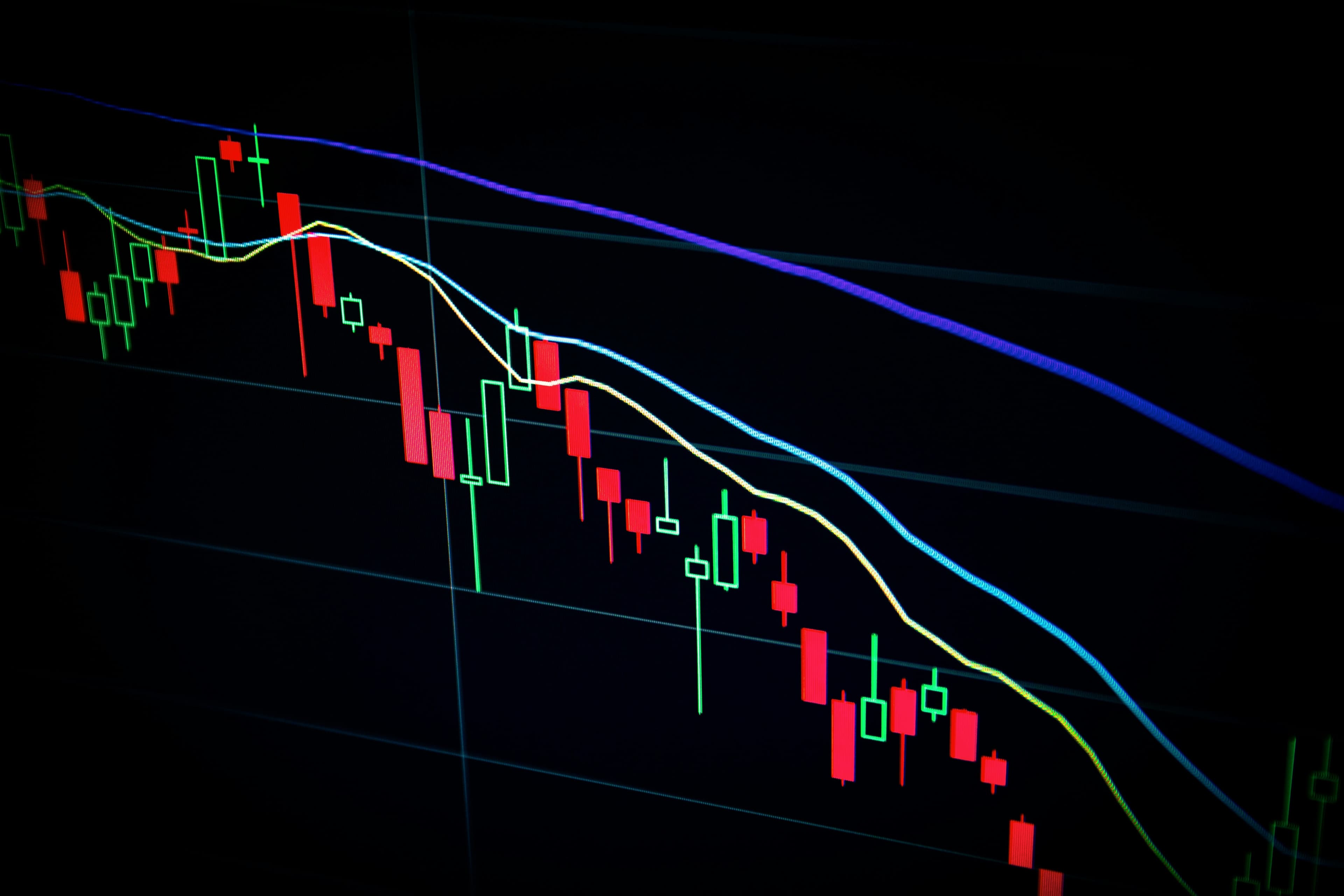
What Drove Thursday's Selloff
Thursday's losses weren't random noise — they had a clear catalyst. Oil prices moved higher on escalating tensions tied to the Iran conflict, and energy cost increases have a way of spreading anxiety quickly through equity markets. Higher oil feeds directly into transportation, manufacturing, and consumer goods costs, which compresses margins across a wide range of sectors. When investors can't see a clear ceiling on energy prices, the instinct is to reduce exposure broadly rather than try to pick winners and losers in a volatile commodity environment.
The Dow's 1.61% decline was steeper than the S&P 500's 0.56% drop, which reflects the index composition differences — the Dow's 30 components include several industrials and energy-sensitive names that feel oil price moves more directly. The S&P 500's broader diversification, including its large tech weighting, cushioned the decline somewhat, though tech wasn't immune to the selling either.
The Iran War Premium in Oil Markets
Oil markets have been pricing in a geopolitical risk premium since the Iran conflict escalated, and that premium has been widening rather than narrowing. Iran sits in one of the world's most strategically significant oil-producing regions, and any conflict that threatens shipping lanes through the Strait of Hormuz — through which a substantial share of global oil supply passes — creates supply uncertainty that traders respond to quickly and sometimes disproportionately.
The current price move isn't yet at the level that historically triggers recession fears on its own, but the direction matters as much as the level. A market that has already been digesting tariff uncertainty, mixed earnings signals, and questions about Federal Reserve policy doesn't need oil prices to reach crisis territory to get rattled — it just needs one more variable moving in the wrong direction at the wrong time.
Why the February Jobs Report Is So Important Right Now
Nonfarm payrolls data always matters, but the February report lands at a particularly sensitive moment. The labor market has been the single most durable pillar of the U.S. economic narrative over the past two years — the factor that allowed analysts to keep dismissing recession concerns even as other indicators softened. If February's numbers show meaningful deterioration in hiring or an unexpected uptick in the unemployment rate, that narrative takes a serious hit.
Expectations heading into the report are for continued moderate job growth, consistent with a labor market that's cooling gradually rather than cracking. A significant miss — something in the range of 100,000 fewer jobs than forecast — would likely send futures sharply lower and revive discussions about whether the Fed needs to accelerate rate cuts. A strong print, conversely, complicates the rate cut case and could actually add to market uncertainty by reducing the likelihood of near-term monetary easing.
The Fed's Impossible Position
Central bank watchers are paying close attention to how Friday's data interacts with the existing Fed posture. Policymakers have been threading a needle between an inflation rate that hasn't fully returned to target and a labor market that shows signs of softening. Oil price increases driven by geopolitical conflict add a wrinkle that monetary policy can't directly address — the Fed can't cut rates to counteract energy costs without risking a re-acceleration of broader inflation, but it also can't ignore economic damage if high oil prices start dragging on growth.
Fed officials have been notably cautious in their recent public communications, and nothing about the current environment gives them a reason to change that tone. The probability of a rate cut at the next meeting is being priced with more uncertainty than it was a few weeks ago, and that uncertainty itself is contributing to the skittishness in equity markets.
What Traders Are Watching Beyond the Headline Number
The headline payrolls figure will move markets on impact, but sophisticated traders will look immediately at the underlying components. Average hourly earnings matter — wage growth that comes in hotter than expected keeps inflation concerns alive regardless of the jobs count. Labor force participation tells a story about whether the supply of workers is expanding or contracting. The household survey's unemployment rate can diverge meaningfully from the establishment survey's job count, and those divergences sometimes signal turning points before they show up in the headline data.
Revisions to the prior two months will also be scrutinized. The Bureau of Labor Statistics regularly revises earlier estimates, and a pattern of downward revisions is one of the early signals that the labor market is weakening more than the initial readings suggested. In an environment already primed for anxiety, a downward revision to January alongside a weak February print would likely accelerate the selling that Thursday's session began.
The Bigger Picture Heading Into the Weekend
Friday's futures stabilization is real but shouldn't be over-interpreted. Markets stabilize after sharp drops for mechanical reasons as much as fundamental ones — short-term traders cover positions, algorithms rebalance, and buyers who missed Thursday's dip look for entry points. None of that resolves the underlying concerns that drove the selloff: rising oil, geopolitical risk, and a growth outlook that has more question marks attached to it than it did a month ago.
The jobs report will set the tone for how the week closes and how investors position heading into the weekend. A market that ends Friday with clarity — even uncomfortable clarity — is easier to navigate than one that closes uncertain. Right now, uncertainty is the dominant condition, and the February payrolls data is the most immediate chance to change that.
AI Summary
Generate a summary with AI


