Dow falls 793 points, S&P 500 hits seven-month low as Iran war rattles markets
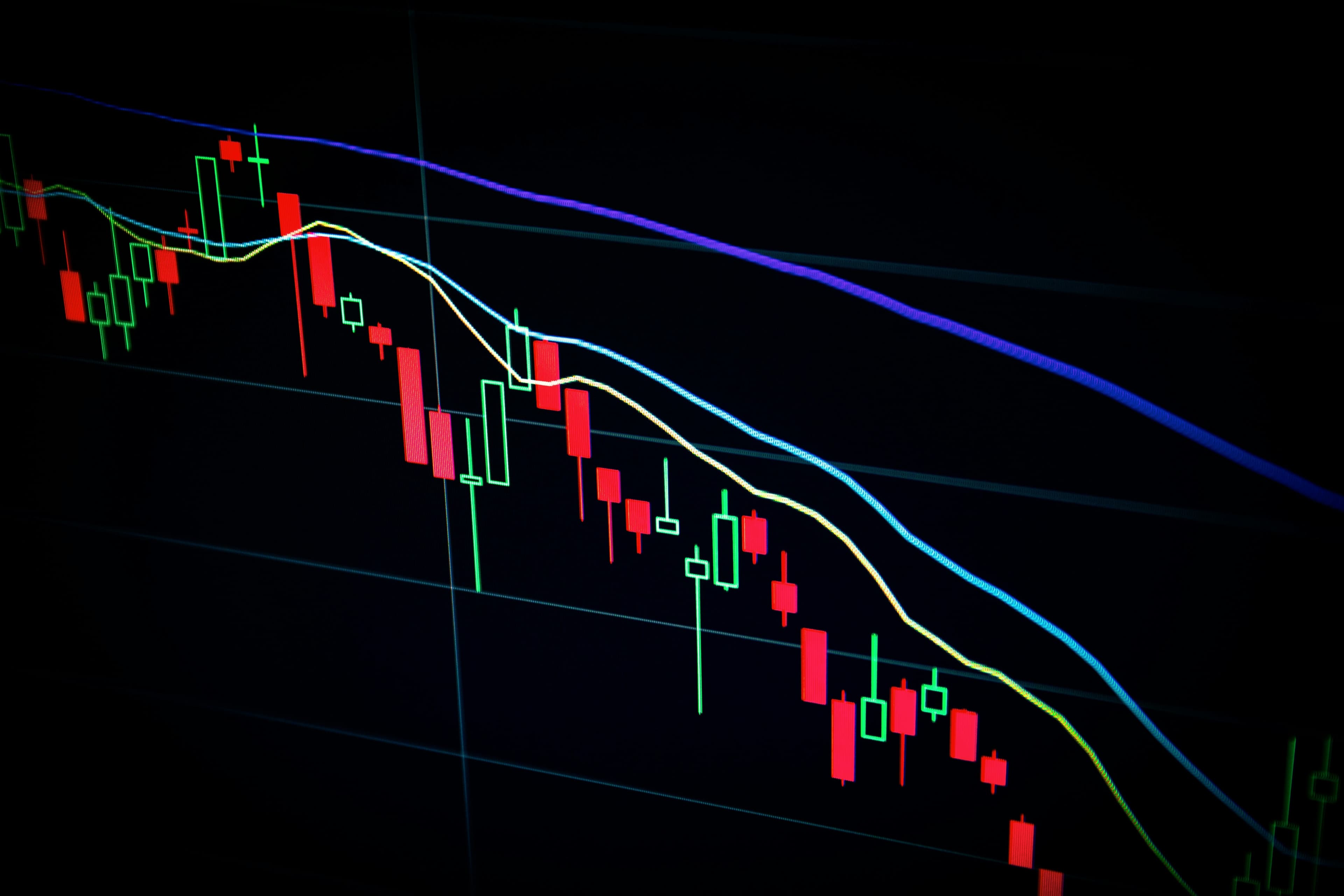
US equity markets posted their steepest single-day losses in weeks on Friday, with the Dow Jones Industrial Average dropping 793 points, or 1.73%, to close at 45,166.64. The S&P 500 fell 1.67% to 6,368.85, its lowest close in seven months. The Nasdaq Composite declined 2.15%. Friday's session extended a losing streak that has now pushed the S&P 500 to five consecutive weeks of losses, a run not seen since the 2022 Federal Reserve rate-hiking cycle drove a comparable stretch of weekly declines.
The immediate driver is the Iran war. Since military conflict between the US and Iran began on February 28, markets have been absorbing a series of shocks: oil price volatility, Strait of Hormuz shipping concerns, cyberattacks on US infrastructure, and the unpredictable pace at which the conflict has expanded to include Houthi missile launches toward Israel and Iranian-backed militia activity across the region. Five weeks of that backdrop has taken a measurable toll on investor confidence.
How the Iran conflict is moving energy prices
Brent crude oil closed above $94 per barrel on Friday, up from roughly $74 per barrel in early February before the conflict began. That is a 27% increase in approximately seven weeks. WTI crude tracked similarly, closing near $91. Higher oil prices compress margins across a broad swath of the economy, from airlines and trucking companies to petrochemical manufacturers and consumer goods producers who use petroleum derivatives in packaging and production.
The Strait of Hormuz is the specific chokepoint driving risk pricing. Approximately 21 million barrels of oil pass through the strait daily, accounting for roughly 20% of global oil consumption. Iran has previously threatened to close the strait during periods of military tension, and while it has never done so for an extended period, the credible threat alone is enough to push a risk premium into oil futures contracts. That premium is now embedded in every energy-related cost across the US economy.
Which sectors took the hardest hits
Technology stocks bore the largest portion of Friday's losses in absolute dollar terms, which is why the Nasdaq's 2.15% decline outpaced both the Dow and the S&P 500. The tech-heavy index contains companies whose valuations are sensitive to interest rate expectations, and rising oil prices have renewed concern about inflation staying elevated, which would delay any Federal Reserve rate cuts. The Fed's next scheduled policy meeting is May 6-7, 2026, and futures markets were pricing in less than a 20% chance of a rate cut at that meeting as of Friday's close.
Energy stocks were the notable exception to Friday's broad selloff. The S&P 500 energy sector gained 1.8% on the day as rising crude prices flowed directly into the earnings expectations for oil producers including ExxonMobil, Chevron, and ConocoPhillips. Defense contractors also moved higher, with Lockheed Martin and Raytheon Technologies both finishing up more than 2% as investors priced in the likelihood of continued elevated defense spending tied to the conflict.
The five-week losing streak in context
The S&P 500 entered 2026 near all-time highs, closing at 6,118 on January 2. The index peaked at 6,747 in mid-February before the Iran conflict began. As of Friday's close at 6,368.85, the index has declined approximately 5.6% from its February peak. That does not qualify as a correction by the technical definition of a 10% pullback, but the five-week losing streak has erased roughly $3.2 trillion in S&P 500 market capitalization from the February high.
The comparable stretch in 2022 saw the S&P 500 fall for seven consecutive weeks between April and May, eventually bottoming at a 25% decline from its January 2022 peak. That sell-off was driven by the fastest Fed rate-hiking cycle since the 1980s. The current situation involves a different set of variables, including geopolitical risk rather than monetary tightening, but the mechanism of sustained weekly losses is the same: sellers consistently outnumbering buyers across multiple sessions.
Trade disruption and the Suez Canal factor
The Houthi missile launches toward Israel that began this week reintroduced the possibility of renewed Red Sea shipping disruptions. During the Houthi campaign against commercial shipping in late 2023 and early 2024, container freight rates on Asia-to-Europe routes more than doubled within three months as carriers rerouted around the Cape of Good Hope. The Suez Canal Authority reported a 50% drop in transiting vessels during the peak disruption period in early 2024.
Shipping stocks fell sharply Friday in response to renewed Houthi activity. Maersk dropped 4.1% on the Copenhagen stock exchange in early trading before paring some losses. Any sustained return to Red Sea disruption would raise import costs for European goods entering the US and increase delivery timelines for components used in US manufacturing, adding another inflationary pressure on top of higher oil prices.
Volatility index and what options markets are pricing
The CBOE Volatility Index, commonly called the VIX, closed Friday at 22.4, up from 16.8 at the start of March. A VIX reading above 20 is generally associated with elevated investor anxiety, while readings above 30 are historically consistent with acute market stress events. The current reading sits between those thresholds, suggesting institutional investors are hedging against further downside but have not yet reached the level of defensive positioning seen during acute crisis periods like March 2020 or October 2022.
Options market data showed increased buying of put contracts on the S&P 500 expiring in April and May, which is consistent with portfolio managers paying for downside protection ahead of what could be a volatile earnings season. First quarter 2026 earnings reports from S&P 500 companies begin arriving in mid-April, and analysts are already trimming full-year earnings estimates to account for higher energy costs and potential supply chain disruptions tied to the ongoing conflict.
International market reaction
European markets also closed lower on Friday, with the pan-European STOXX 600 index falling 1.4%. Germany's DAX dropped 1.6% and France's CAC 40 declined 1.5%. Japanese markets were closed Friday for a national holiday, but the Nikkei 225 had already posted a 1.2% loss Thursday in anticipation of the week's geopolitical developments.
The US dollar strengthened against most major currencies on Friday, with the dollar index rising 0.4% to 104.2. Dollar strength typically reflects a flight-to-safety dynamic in global markets, where international investors move capital into dollar-denominated assets during periods of geopolitical stress. Gold also gained, rising 1.1% to $2,847 per troy ounce, its highest close since January 2026. The Federal Reserve's next scheduled policy statement comes on May 7, which will be the first major data point for how the central bank intends to respond to the conflict's economic effects.
AI Summary
Generate a summary with AI
