Dow Jones Surges 631 Points as Iran Tensions Ease
US stock markets jumped sharply after a signal from former President Donald Trump suggested easing tensions with Iran. The reaction was immediate. Investors who had been bracing for further escalation shifted direction, pushing major indexes higher by the end of the trading session.
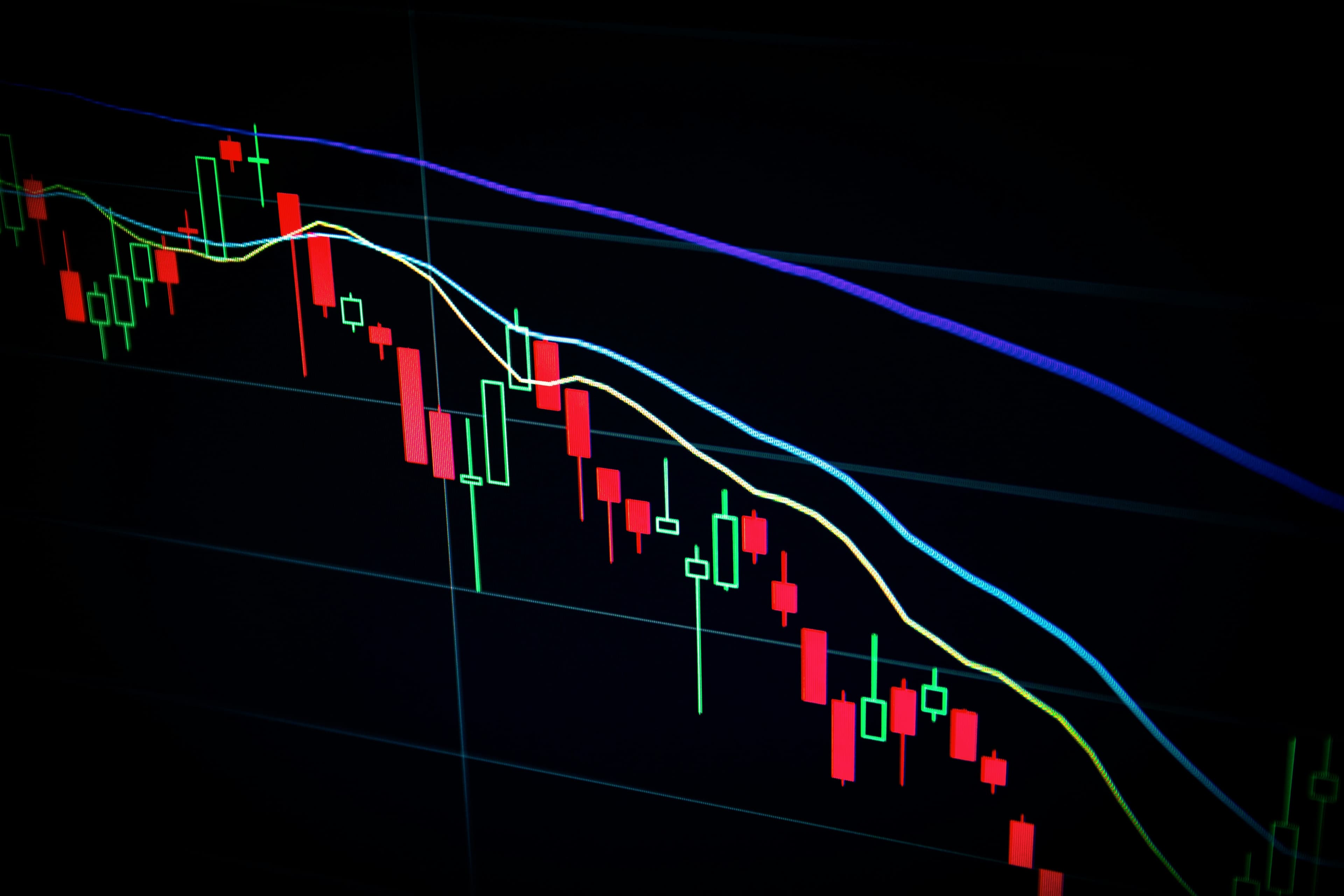
The Dow Jones Industrial Average closed up 631 points at 46,208. The S&P 500 gained 1.15 percent to end at 6,581, while the Nasdaq climbed 1.38 percent. These moves reversed losses from earlier in the day, showing how quickly sentiment can change when geopolitical risks appear to cool.
What triggered the rally
The shift began after Trump posted on Truth Social that the United States and Iran were engaged in productive talks. Markets tend to react quickly to any sign of reduced conflict risk, especially when it involves regions tied to global energy supply. Even a hint of dialogue can ease fears of disruption.
Traders responded by moving back into equities, particularly sectors that are sensitive to global stability. Energy prices, shipping costs, and broader risk perception all feed into these decisions. When tensions appear to ease, money often flows back into stocks.
Mixed signals keep markets on edge
The rally did not come with full clarity. Iranian officials denied that direct negotiations were taking place, casting doubt on the earlier statement. That contradiction has kept uncertainty in play, even as markets closed higher.
This type of situation often leads to sharp swings. Investors are left weighing conflicting information while trying to position themselves for the next move. A single update can shift sentiment again, which is why volatility tends to rise during geopolitical standoffs.
Why geopolitics moves markets
Tensions involving Iran carry economic implications beyond the region. Oil supply routes, shipping lanes, and global trade flows are all linked to stability in the Middle East. When there is a risk of disruption, investors often pull back. When that risk appears to ease, they return quickly.
The scale of Monday’s move reflects how much uncertainty had built up. Markets had priced in the possibility of escalation. When that outlook shifted, even briefly, it created room for a strong rebound.
Looking ahead to the next session
Investors are now watching for confirmation. Statements from US and Iranian officials, along with any formal diplomatic steps, will likely guide the next phase of trading. Without clear follow-through, gains could be tested in the next session.
Markets will open again with that uncertainty still present. The next round of updates may determine whether this rally holds or fades as quickly as it began.
AI Summary
Generate a summary with AI
