Trump’s Iran war speech on April 2: exit plan or risky escalation?
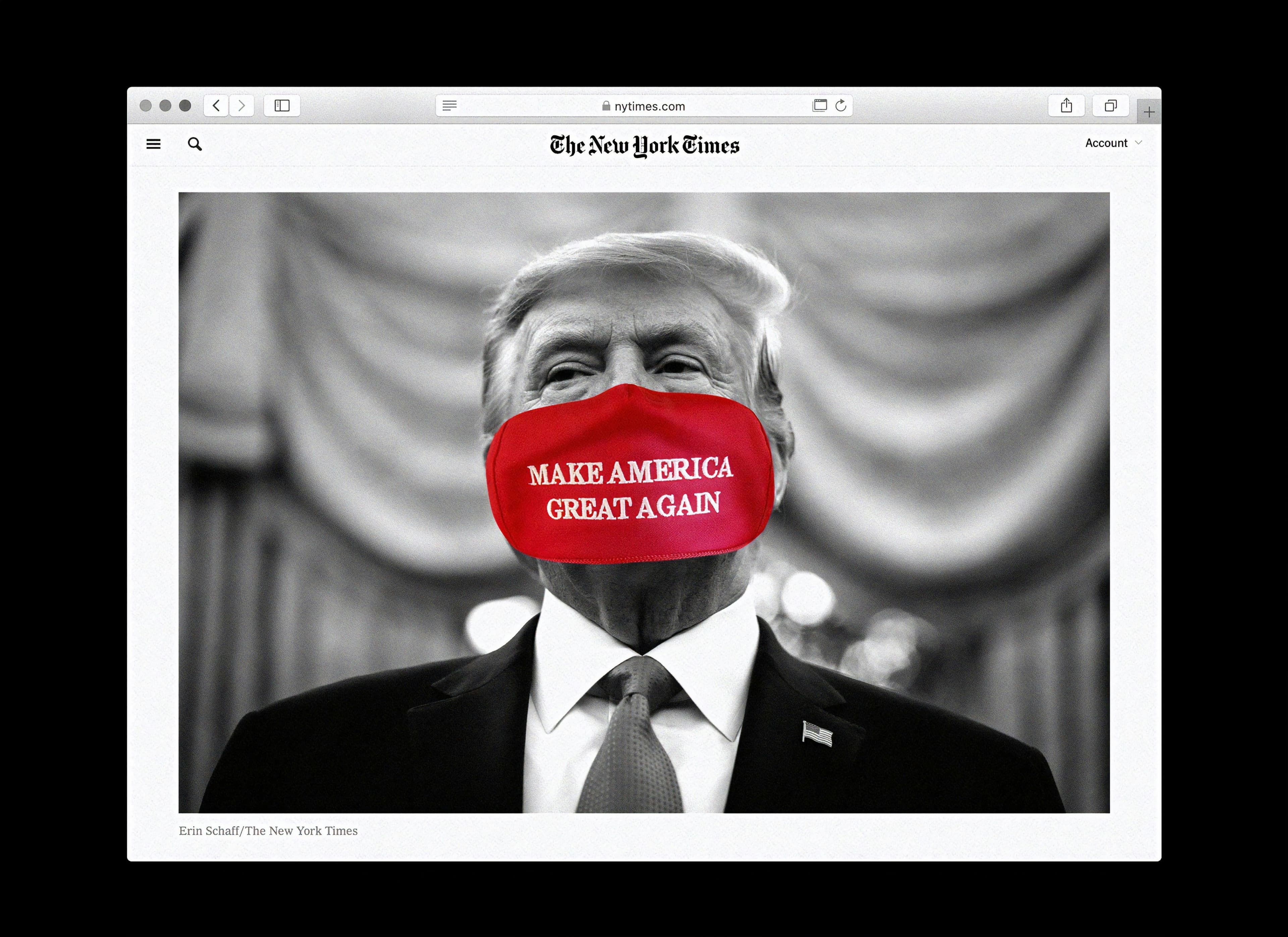
Donald Trump’s April 2 address on the Iran war is not just another foreign policy speech. It sits on top of weeks of military exchanges, threats to vital oil routes, and nervous governments trying to shield their economies from a fresh shock. As Ankit Avasthi explains, the question eating away at capitals from Tehran to New Delhi is simple: will Trump announce a clean exit from the conflict, or push the region into a deeper, more chaotic phase of escalation?
How the Iran war reached a dangerous tipping point
The current crisis has built up around the Strait of Hormuz, the narrow chokepoint through which a huge share of global oil trade passes. After earlier strikes on Iran carried out with Trump’s approval, Tehran now signals it is ready to respond by targeting American-linked assets across West Asia. According to the video, Iranian planners have warned that offices of major US tech and media companies operating in Gulf countries could come under attack around 10 p.m. India time, including buildings used by firms like Google and Meta.
Trump, meanwhile, is publicly trying to sell the idea that the war could wind down within two or three weeks. He has said that the United States can walk away from day-to-day policing of the Strait of Hormuz, arguing that other countries dependent on these routes should sort out their own security and, if needed, buy oil directly from the US. This posture sends a clear signal: Washington wants to keep the option of air and missile strikes, but it does not want to keep paying the political and financial bill for guarding the sea lanes.
Oil prices, inflation and the Covid-era déjà vu
To understand why so many leaders are suddenly addressing their nations, you have to look at oil and inflation. During the Covid lockdowns, demand collapsed while supply stayed in place, leaving producers desperate to sell crude. This time the situation has flipped. Buyers want oil, but 20% or more of normal supply is disrupted by war, sanctions and risk along shipping routes, so prices have climbed sharply from near-zero levels before the conflict to around 105–110 dollars per barrel.
Ankit draws a direct comparison with India’s Covid-era response. Back then, New Delhi avoided passing the full shock of rising costs to ordinary citizens by cutting excise duty on fuel. Conceptually, if the government earlier collected about 33 rupees in tax for every 100 rupees of fuel, it rolled back roughly 10 rupees, giving up part of its share so that pump prices did not explode overnight. A similar playbook is now visible abroad as other countries scramble to blunt the impact of the Iran war on household budgets.
Why India and other governments are meeting in emergency mode
In India, the seriousness of the situation can be seen in the convening of the Cabinet Committee on Security, where the prime minister meets the defence, home, finance and external affairs ministers, along with key officials. Their brief is clear: track the war, secure energy supplies, and insulate the domestic economy as much as possible from oil and shipping disruptions. Officials point out that India has built up domestic reserves of oil and gas and diversified imports from more than forty countries to avoid overdependence on any single source.
Yet the pressure is building. Air routes that usually rely on hubs like Dubai and Doha are exposed to possible missile or drone attacks, pushing airlines to lengthen routes, burn more jet fuel and raise fares. That hurts workers stuck abroad, reduces remittance flows and makes travel between India and Europe both costlier and less predictable. The government’s aim is to repeat, as far as possible, the crisis management style used during the pandemic while dealing with a much messier, human-made shock.
How Australia, the UK and Europe are reacting
India is not alone in dusting off its crisis toolkit. Australia’s prime minister Anthony Albanese has told citizens that although the country is not a direct participant in the war, its economy is exposed through higher energy costs and supply disruptions. Canberra has announced cuts in fuel excise duty, trimming around 26 cents per litre for a limited period of roughly three months to give households breathing space.
In the United Kingdom, prime minister Keir Starmer has taken a different tack. He has drawn a sharp line by stating that Britain will not join the Iran war, even as a NATO member. At the same time, his government is trying to shield people from inflation by freezing bus and rail fares and capping energy bills, echoing emergency measures from the Covid period. Behind these moves lies a clear fear from the Bank of England and others that a prolonged conflict could drag the UK into a deeper economic slump.
On the European continent, the mood is tense. Countries that once relied heavily on Russian gas through pipelines like Nord Stream, but later shut those taps under American pressure, now find themselves squeezed from another side. With expensive LNG imports, high transport costs and no quick way back to cheap Russian supplies, governments are again urging people to work from home where possible to save fuel and brace for further price spikes.
Inside Iran: IRGC’s grip and the risk of miscalculation
One of the most worrying threads in Ankit’s analysis is the internal power struggle inside Iran. Officially, the country has a president, Pezeshkian, and a supreme leader, now represented by Mostafa Khamenei as successor to his father. In practice, key decisions on war and peace appear to sit with the Islamic Revolutionary Guard Corps (IRGC), which controls missile stockpiles, regional proxy networks and much of the security apparatus.
Reports cited in the video suggest that the president has not even been able to secure a proper meeting with the new supreme leader, with IRGC officers acting as gatekeepers. The current IRGC chief, Ahmad Vahidi, is presented as the central figure directing Iran’s response, including threats to hit US-linked economic targets in Gulf states and to keep the Strait of Hormuz under pressure. When such a powerful military organisation operates with limited civilian oversight, the chance of sudden, escalatory moves goes up sharply.
Tehran’s messaging frames its actions as defensive: it claims it did not start this war and would consider halting attacks if the United States and Israel offer credible guarantees that strikes on Iranian territory will stop. Until then, commanders argue they have little left to lose and will keep raising the cost for everyone relying on Gulf energy routes, especially countries like the UAE that host American businesses and infrastructure. Late-night threats to target corporate offices are part of that pressure campaign, designed to frighten investors and force regional governments into choosing sides.
Trump, NATO allies and the exit-versus-escalation dilemma
In Washington, Trump’s rhetoric mixes threats with talk of withdrawal. He has publicly scolded NATO allies for not backing him strongly enough, even floating the idea of leaving NATO altogether when Britain and others signal they will not send forces into the Iran war. Ankit argues that fully walking away from NATO would be costly for the US because it maintains around two to three dozen major military bases across Europe, including roughly twenty-five thousand troops in Germany alone, which still help project American power.
At the same time, Trump knows that this war fills the order books of American defence firms and keeps US energy exports attractive as prices rise. That creates a temptation to push for a ceasefire on paper while leaving the region unstable enough that weapons and oil remain in high demand. The April 2 speech therefore becomes a test: will he announce a clear, verifiable path to scaling down military operations, or a cosmetic pause that leaves the Strait of Hormuz and West Asia simmering just below boiling point?
For countries like India, the UK, Australia and many in Europe, the answer will shape everything from petrol prices to airline schedules and job security. If the speech points to a real exit, governments may slowly unwind emergency measures and start planning for calmer shipping lanes. If it signals escalation or an open-ended standoff, they will have to dig deeper into their Covid-era playbooks, cut more taxes, freeze more prices and hope that their reserves and political patience hold long enough to ride out the storm.
AI Summary
Key insights from this article

