Samsung Targets 800 Million Gemini AI-Equipped Devices by End of 2026
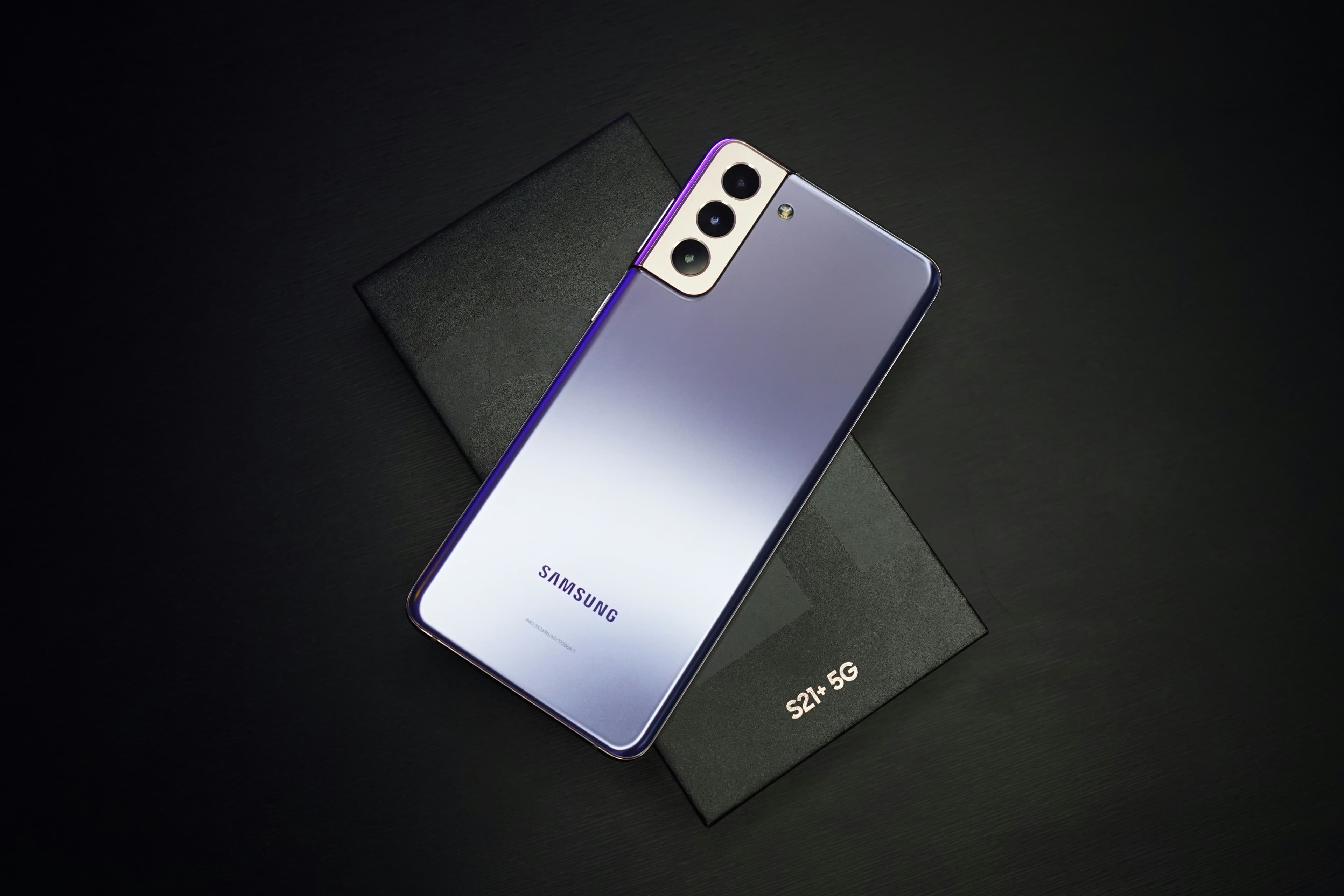
Eight hundred million devices. That is not a product launch number — that is a platform number. Samsung has set a goal to have Google's Gemini AI running on 800 million of its mobile devices by the end of 2026, which would represent a doubling of its current Gemini-equipped installed base. If the company hits that target, it would make Samsung the single largest distribution channel for Gemini AI on the planet, outpacing even Google's own Pixel lineup by an enormous margin. This announcement is less about any individual phone and more about who controls the AI layer on the world's most widely used mobile hardware.
The Scale of What Samsung Is Attempting
To put 800 million in context: Samsung ships roughly 220 to 240 million smartphones per year. Reaching 800 million Gemini-equipped devices by year-end means the company is not just pushing Gemini on new flagship handsets. It is rolling the AI out across its mid-range and budget Galaxy lines, pushing software updates to existing devices, and likely including tablets and other connected hardware in the count. This is a fleet-wide AI deployment strategy, not a premium feature rollout.
That distinction matters. Most AI smartphone announcements in recent years have been about high-end hardware — the kind of phones that cost over a thousand dollars and represent a small fraction of total global smartphone shipments. Samsung is betting that AI needs to reach mass-market devices to become genuinely sticky. A user on a mid-range Galaxy A-series phone who gets comfortable with Gemini features is far less likely to switch to a competing platform than someone who only encounters AI on a device they replace every four years.
What This Means for the Samsung-Google Partnership
Samsung and Google have had a complicated relationship for years. Google needs Samsung to push Android's dominance, but Samsung has periodically flirted with its own Tizen OS and has always been capable of making life difficult for Google if it chose to. The Gemini deal deepens their interdependence significantly. Samsung gets a best-in-class AI model without having to build one from scratch — an enormous resource saving — and Google gets distribution at a scale that no amount of Pixel sales could ever achieve.
The arrangement also has competitive implications for other AI providers. Microsoft's Copilot on Android, various third-party AI assistant apps, and even on-device models from Qualcomm and MediaTek all become less relevant if Gemini is the default, deeply integrated AI layer on 800 million Samsung devices. Default placement in mobile has historically been worth billions of dollars in engagement and retention — Google's own search default agreements with Apple are a well-documented example of just how valuable that positioning is.
Galaxy AI Features That Gemini Powers
Samsung has been marketing its AI capabilities under the Galaxy AI umbrella since early 2024, and Gemini sits at the heart of the most visible features. Live Translate handles real-time voice translation during phone calls. Circle to Search lets users highlight anything on their screen and get instant search results without switching apps. Note Assist and Transcript Assist use Gemini's language capabilities to summarize meetings, format notes, and extract key points from recordings. These are not gimmick features — they are the kind of daily-use utilities that change how people interact with a device.
The challenge Samsung faces is making these features work consistently well across a much wider range of hardware than the flagship Galaxy S series. A mid-range processor with less RAM and a smaller battery has real constraints, and AI tasks are computationally intensive. Samsung will need to lean heavily on Gemini Nano — Google's on-device model variant — for the lower-end hardware, reserving cloud-based Gemini calls for tasks that require heavier processing. Getting that balance right across dozens of device configurations is a genuine engineering challenge.
The Competitive Pressure Behind the Target
Samsung is not setting this goal in a comfortable market position. Apple's Gemini-powered Siri overhaul in iOS 26.4 is generating serious attention, and Chinese manufacturers like Xiaomi, Oppo, and Honor have been aggressive about integrating their own AI features into devices that undercut Samsung on price across Southeast Asia, India, and Latin America. The 800 million target is partly a market share defense play — Samsung needs AI to be a reason to stay in its ecosystem, not just a feature that competitors can match or exceed.
Whether the number itself is achievable is a secondary question. The strategic logic is clear: Samsung wants to be the company that brought real AI to the broadest possible slice of the global smartphone market, not just the premium tier. If it gets anywhere close to 800 million by December, that ambition will have translated into a meaningful competitive moat.
AI Summary
Generate a summary with AI


