Samsung targets 800 million Gemini AI devices by 2026
Samsung is setting a clear target for its next phase in mobile technology. The company plans to reach 800 million devices powered by Google’s Gemini AI by the end of 2026. That number is not just about sales volume. It points to how quickly artificial intelligence is becoming a default part of everyday smartphone use rather than an optional feature tucked away in settings.
This move builds on Samsung’s existing partnership with Google, which has already brought AI tools into recent Galaxy phones and tablets. Features like live translation, text generation, and image editing are no longer experimental add-ons. They are becoming part of how people message, search, and even organize daily tasks.
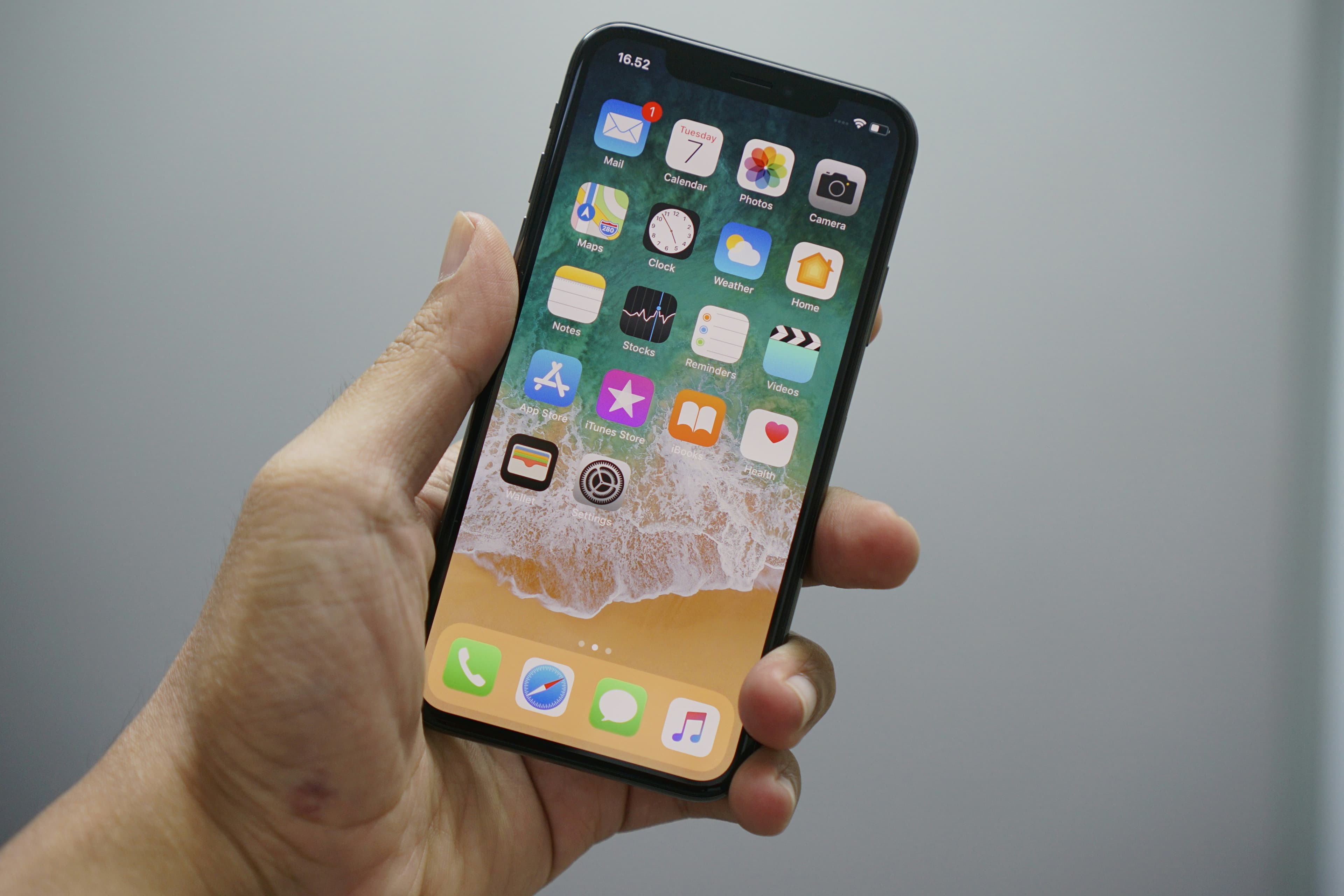
how Samsung plans to scale Gemini integration
Reaching hundreds of millions of devices requires more than shipping premium phones. Samsung is expected to push Gemini AI across a wider range of models, including mid-range and budget devices. This approach mirrors how features like high-resolution cameras and fast charging gradually moved from flagship devices into more affordable options.
Software updates will play a big role as well. Instead of limiting AI tools to new hardware, Samsung can extend support to existing devices where possible. That strategy helps increase adoption without relying entirely on new sales. It also keeps users inside the Galaxy ecosystem longer.
what Gemini AI actually changes for users
For many users, AI becomes noticeable in small, everyday moments. Typing a message may trigger suggested replies that sound natural. Photos can be edited with fewer steps, removing objects or adjusting lighting with simple prompts. Voice assistants become more conversational instead of rigid command tools.
There is also a shift in how people search for information. Instead of opening multiple apps, users can ask one question and get a summarized response that pulls from different sources. That kind of interaction changes how apps compete for attention on a device.
competition and pressure from other brands
Samsung is not alone in this push. Apple has been working on its own AI features, while companies like Xiaomi and Oppo are building similar tools into their devices. The difference lies in scale. Samsung ships hundreds of millions of devices each year, which gives it a faster path to widespread adoption if execution stays consistent.
Google also benefits from this arrangement. Expanding Gemini through Samsung hardware places its AI system directly into users’ hands without requiring them to install anything separately. That kind of reach is difficult to achieve through apps alone.
what to watch before 2026
The next two years will show whether users actually rely on these AI tools or ignore them after the initial excitement. Battery usage, privacy concerns, and accuracy will shape how often people turn to Gemini features in daily use. If the tools feel slow or unreliable, adoption could stall even if the devices support them.
Samsung’s target sets a measurable goal. By the end of 2026, the company will either have AI integrated into a large portion of its active devices or fall short of its own expectations. The number itself will be easy to track once shipment and activation data begin to reflect this shift.
AI Summary
Generate a summary with AI


