White House Wants Big Tech to Pay for the Power It Uses — Not Your Electric Bill
The energy math behind the AI boom has been quietly alarming utility regulators and consumer advocates for months. Data centers consume enormous amounts of electricity, and in many states, when a large industrial customer drives up grid demand, the cost gets spread across everyone on the network — including households that have nothing to do with training language models. The Trump administration is now trying to address that directly. On March 4, 2026, the White House will host a meeting with leading AI and data center companies to formalize what it's calling the Rate Payer Protection Pledge.
What the Pledge Actually Requires
The core idea is straightforward: tech companies expanding their compute infrastructure should absorb the incremental energy costs their growth creates, rather than letting those costs bleed into utility rate structures that affect ordinary customers. In practice, this could mean companies funding dedicated grid upgrades, signing long-term power purchase agreements that cover marginal capacity costs, or working with utilities to ensure their expansion doesn't trigger rate increases for residential and small commercial customers. The details of enforcement and verification are still being worked out, which is partly why the March 4 meeting exists — the pledge needs teeth, not just a press release.
Why This Problem Exists in the First Place
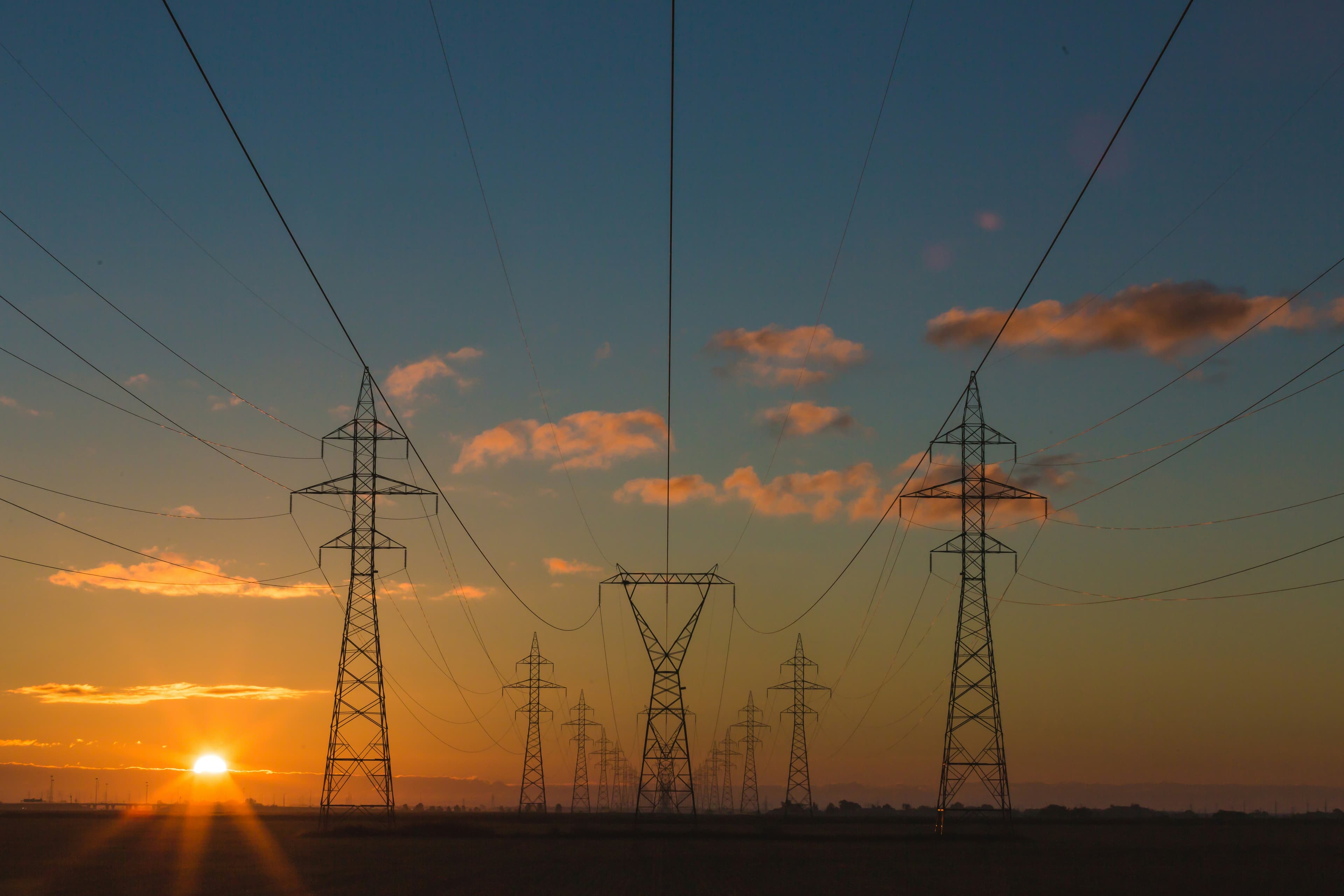
When Microsoft, Google, or Amazon builds a massive data center campus in a mid-sized American city, the local utility suddenly has to plan for a load that can dwarf the rest of its customer base combined. Substations need upgrades. Transmission lines need reinforcing. New generation capacity may need to come online. Under traditional rate-setting frameworks, those infrastructure costs get folded into the utility's rate base and recovered from all customers over time. That's a system designed for gradual, distributed load growth — not the kind of sudden, concentrated demand that a hyperscale AI facility represents.
Consumer advocates in Virginia, Texas, and Georgia — states with heavy data center concentration — have already flagged this as a growing problem. Some utility commissions have begun pushing back, requiring large industrial customers to bear more of their own interconnection costs. The White House pledge is essentially trying to nationalize that principle before it becomes a patchwork of inconsistent state-level fights.
How Tech Companies Are Likely to Respond
Publicly, expect a lot of enthusiasm. Companies like Microsoft and Google have already made significant investments in renewable energy and grid infrastructure, so signing a pledge that formalizes what they're partially doing anyway costs them relatively little in optics. The harder question is whether the pledge will capture companies that have been less proactive — smaller hyperscalers, cloud startups, or AI infrastructure firms that have grown fast without the same level of energy planning sophistication. A voluntary pledge only works if the definition of compliance is specific enough to matter.
The Bigger Picture: AI's Energy Reckoning
This meeting is happening against a backdrop of serious concern about whether the U.S. power grid can actually support the AI infrastructure buildout that everyone is planning for. Goldman Sachs, the IEA, and various grid operators have all published projections showing data center demand growing faster than new generation capacity in many regions. Nuclear energy has re-entered the conversation as a potential solution — Microsoft's deal with Constellation to restart Three Mile Island being the most high-profile example. But new capacity takes years to come online, and in the meantime, someone has to manage the costs of the gap.
The Rate Payer Protection Pledge won't solve the underlying supply problem, but it's a reasonable attempt to ensure that the financial burden of the AI infrastructure race doesn't land disproportionately on people who have no stake in it. Whether it actually changes behavior depends entirely on how it's structured, who signs it, and whether there's any accountability mechanism attached. The March 4 meeting will tell us a lot about whether this is a genuine policy effort or a photo opportunity.
AI Summary
Generate a summary with AI

