Study Links Sunflower Seed Flour Substitution to Major Protein and Fiber Gains in Bread
Bread is one of those foods that nutritionists have complicated feelings about. It is everywhere, it is cheap, it feeds billions of people — and for most of the population, the version they eat daily is refined white bread with limited nutritional value beyond calories and carbohydrates. Enriching it with protein and fiber without changing its cost profile or requiring exotic ingredients has been a goal of food scientists for decades. A new study suggests that defatted sunflower seed flour, a byproduct that the sunflower oil industry currently treats as low-value waste, might be a surprisingly practical answer.
The researchers found that partially replacing wheat flour with defatted sunflower seed flour produced bread with significantly higher protein and fiber content. The gains were not marginal — they were the kind of nutritional improvements that would matter at a population level if adopted at scale. And because the flour is derived from a processing byproduct rather than a dedicated crop, the cost implications are far more favorable than most protein enrichment strategies currently on the market.
What Defatted Sunflower Seed Flour Actually Is
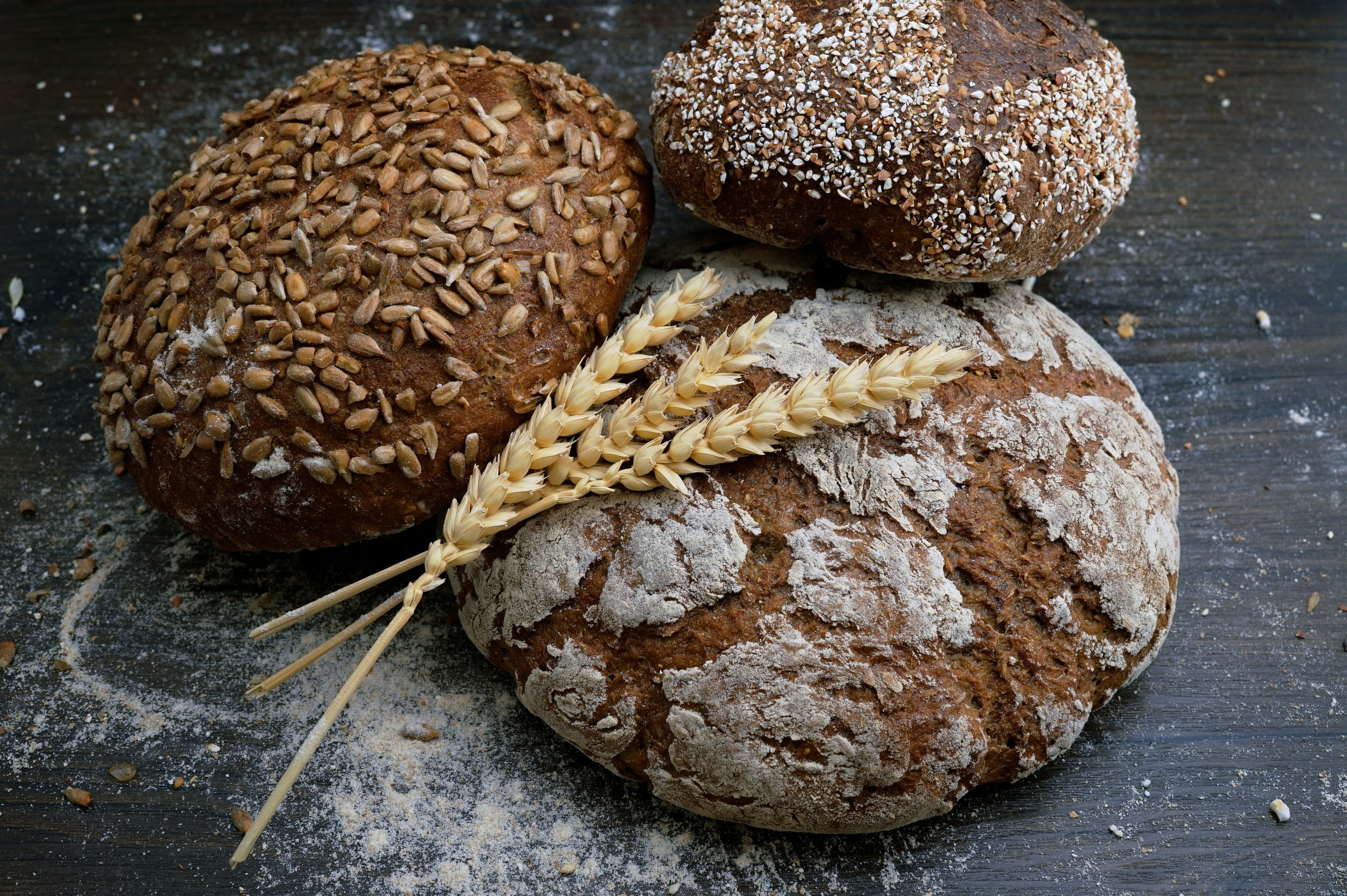
When sunflower seeds are pressed for oil, what remains is a dense, protein-rich cake. That cake gets ground into meal or flour — the defatted version — which retains most of the seed's original protein, fiber, and mineral content but with the fat largely removed. Sunflower seeds are naturally high in protein, running around 20 to 25 percent by weight, and the defatting process concentrates that further. The resulting flour is not widely used in mainstream food production, largely because the industry developed around animal feed applications rather than human food, and breaking that inertia takes deliberate research effort.
The flour also contains meaningful quantities of dietary fiber, chlorogenic acid — a polyphenol with antioxidant properties — and minerals including magnesium and zinc. These are not trace amounts. They are nutritional contributions that would be visible on a food label, which matters for both consumer perception and regulatory health claims.
How the Substitution Works in Practice
Replacing wheat flour in bread is not as straightforward as swapping one powder for another. Wheat's baking properties are largely determined by gluten, the protein network that gives bread its structure, elasticity, and ability to trap the gas produced during fermentation. Alternative flours that lack gluten — or contain it in different forms — change how dough handles, how the loaf rises, and ultimately how the finished bread looks and feels in the mouth.
The study used partial substitution rather than full replacement, which is the approach most likely to produce commercially viable results. At lower substitution rates, the gluten network from the remaining wheat flour can still do its structural work while the sunflower flour contributes its nutritional payload. The researchers found that bread quality — including texture, crumb structure, and volume — remained acceptable at the substitution levels that produced the most significant nutritional gains. That balance between improved nutrition and maintained eating quality is the exact challenge that has caused many alternative flour studies to stall before reaching commercial application.
The Color Problem and How It Was Addressed
One known challenge with sunflower seed flour in baked goods is color. Chlorogenic acid, which is abundant in sunflower seeds, reacts with certain amino acids and alkaline conditions during baking to produce greenish-gray discoloration — not a selling point for bread that consumers expect to be golden brown. The study addressed this by testing different processing conditions and substitution levels to minimize the color effect, with some success. It is a solvable problem rather than a fundamental barrier, but it is one that any commercial application will need to engineer around carefully.
Flavor is a related consideration. Sunflower seeds have a mild, slightly nutty taste that carries through into the flour and can be detectable in finished bread at higher substitution rates. At moderate levels, most tasters in food science studies describe the flavor as neutral to pleasant. Whether mainstream consumers feel the same way at scale is something that requires consumer panel testing rather than laboratory evaluation — a step that commercial development would need to include before any product launch.
Why the Byproduct Origin Makes This Economically Interesting
Most high-protein flour alternatives — pea protein, hemp flour, chickpea flour — require dedicated agricultural production. Their cost reflects the land, water, and labor inputs of growing a crop specifically for that purpose. Defatted sunflower seed flour exists as a consequence of oil production that was going to happen anyway. The raw material cost is essentially the processing cost of grinding and refining material that would otherwise be sold as animal feed at commodity prices.
That cost structure makes sunflower seed flour a realistic option for staple food fortification in a way that more expensive protein ingredients are not. If the goal is improving the nutritional baseline of everyday bread eaten by ordinary people — not artisan loaves sold at premium prices — then the ingredient economics have to work at scale. Sunflower seed flour clears that bar in a way that most alternatives do not, which is probably the most commercially significant finding in the study.
The Road from Research to Supermarket Shelf
Academic food science research and commercial food production operate on very different timelines and with very different constraints. A study demonstrating improved nutritional outcomes in a laboratory setting is a starting point, not a finish line. Scaling production, standardizing flour quality across different sunflower varieties and oil-pressing operations, navigating allergen labeling requirements, and convincing risk-averse commercial bakers to reformulate established products are all real obstacles between this research and the bread aisle.
That said, the combination of strong nutritional results, low input costs, and a sustainability narrative that fits current consumer and regulatory trends gives sunflower seed flour a better commercial case than many alternative flour studies produce. The research lays legitimate groundwork. Whether a food company picks it up and runs with it will depend on factors well outside the laboratory — but the science, at least, is pointing in a useful direction.
AI Summary
Generate a summary with AI
