Brazilian Scientists Create Antioxidant-Rich Chocolate Honey from Cocoa Waste
Every year, the cocoa industry generates enormous quantities of shells — the dry, papery husks stripped away when cacao beans are processed into chocolate. For most producers, those shells are an afterthought: composted if they are lucky, landfilled if they are not. A team of researchers in Brazil has found a more interesting use for them. By using ultrasound waves to pull beneficial compounds out of cocoa shells and infuse them directly into honey, they have produced a functional food that is part gourmet ingredient, part antioxidant delivery system — and entirely free of chemical solvents.
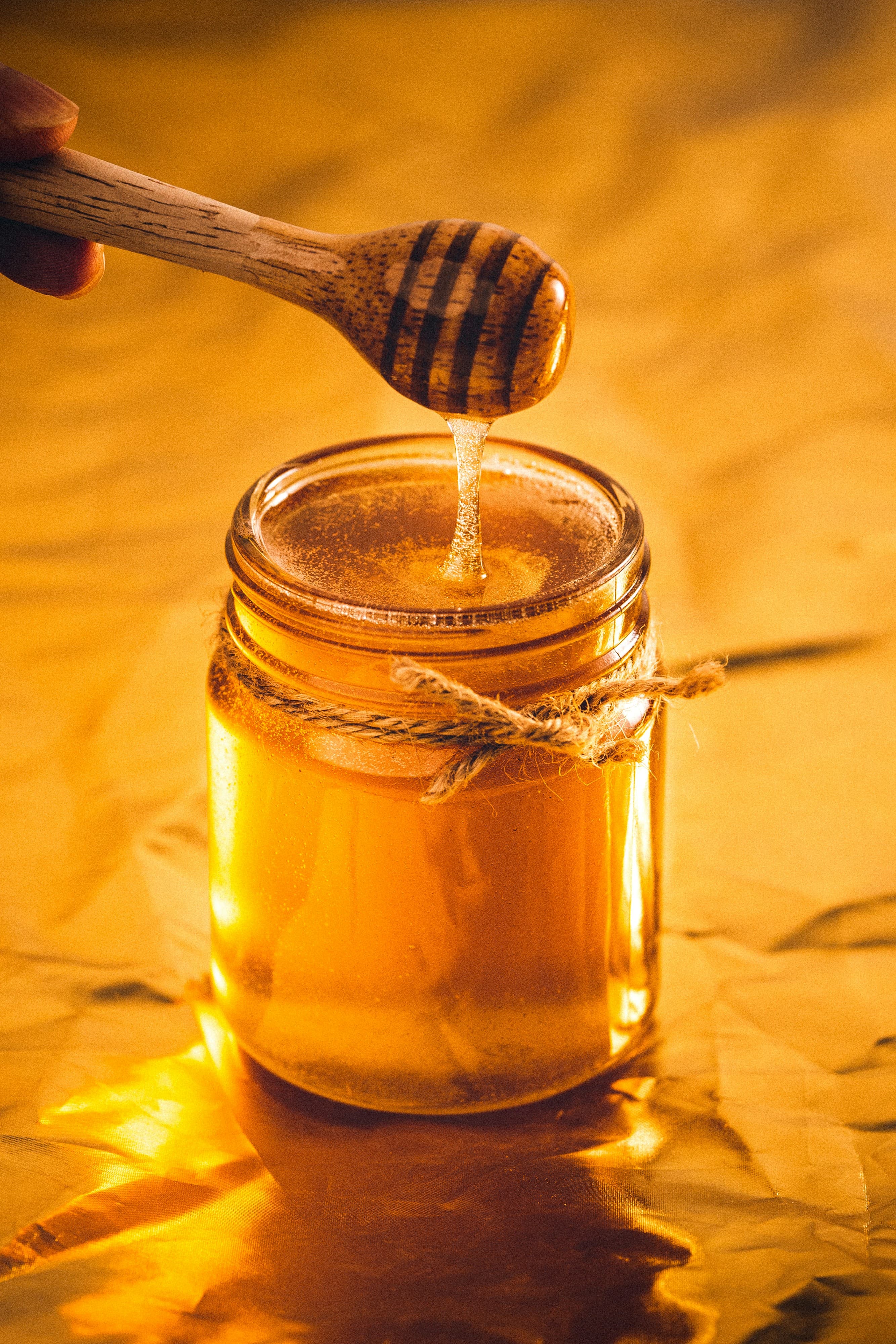
The result is a chocolate-infused honey rich in polyphenols, flavonoids, and natural stimulants like theobromine — compounds that are abundant in cocoa but largely discarded along with the shells. It is an elegant piece of food science, and the timing is good: consumer interest in functional foods has been climbing steadily, and sustainability credentials have become a genuine purchasing factor rather than just a marketing checkbox.
The Science Behind the Ultrasound Extraction
Ultrasound-assisted extraction works by sending high-frequency sound waves through a liquid medium containing the material you want to extract from. The waves create microscopic bubbles that rapidly expand and collapse — a process called acoustic cavitation — which breaks down cell walls and releases the compounds trapped inside plant material. It is fast, efficient, and crucially, it does not require heat or chemical solvents to work. The compounds come out intact, which matters enormously when you are trying to preserve heat-sensitive antioxidants.
In this case, the researchers used cocoa shells as the source material and honey as both the extraction medium and the final product. Rather than extracting compounds into a solvent and then adding them to food, the honey itself absorbs the bioactive molecules directly during the sonication process. The approach sidesteps one of the messier steps in functional food manufacturing and produces something you can put on a shelf without additional processing.
What Is Actually in the Chocolate Honey
Cocoa shells contain a surprisingly dense concentration of beneficial compounds that are absent from the refined chocolate most people consume. Theobromine — a mild stimulant that gives dark chocolate its characteristic subtle buzz — is present in meaningful quantities. So are flavonoids and polyphenols, plant-based antioxidants that have been associated in research with cardiovascular benefits, reduced inflammation, and improved cellular function. Regular honey already contains antioxidants and antimicrobial compounds on its own; infusing it with cocoa shell extracts layers additional bioactive content on top of an already functional base.
The flavor profile is also genuinely interesting from a culinary standpoint. The infusion carries cocoa's characteristic bitterness and earthy warmth into the honey without making it overwhelmingly sweet or one-dimensional. That balance has obvious appeal for gourmet applications — drizzled over cheese, stirred into coffee, paired with dark bread — and for functional food brands looking for an ingredient with a clean, natural backstory.
Why Cocoa Waste Makes a Compelling Raw Material
Cocoa shells account for roughly 10 to 15 percent of the total weight of dried cacao beans, and global cocoa production runs to several million tons annually. That is a lot of shells. Currently, the most common disposal routes are agricultural composting, animal feed, and in some regions, direct burning — none of which captures the bioactive value the shells contain. Using them as a feedstock for functional food ingredients is a more efficient use of a material that the industry is already generating as a byproduct.
From a supply chain perspective, cocoa shells are essentially free. They are a waste stream that processors are already handling and often paying to dispose of. If the ultrasound extraction process can be scaled affordably, the input cost for producing chocolate honey is primarily energy and honey — not the cocoa-derived compounds, which come along for free. That economics profile is attractive for any manufacturer trying to create a premium product without premium ingredient costs.
Market Potential and What Comes Next
The functional food market has grown substantially as consumers have become more interested in foods that do something beyond just tasting good or providing calories. Products that can credibly claim antioxidant content, natural energy, or specific health benefits command premium pricing and strong shelf presence in specialty retail. A chocolate honey with verified bioactive content, a clean-label ingredient story, and a sustainability angle hits several of those notes simultaneously.
The research is still at the academic stage, which means commercial production is likely years away. The next steps involve scaling the ultrasound process, characterizing the shelf stability of the infused honey over time, and potentially working through regulatory pathways for functional food claims. None of those are trivial challenges. But the underlying concept is sound, the method is clean, and the raw material is abundant. That combination tends to attract commercial interest fairly quickly when the science is solid.
AI Summary
Generate a summary with AI
