Strait of Hormuz Closure Disrupts Global Oil and Air Cargo Markets, Analysts Warn
About 20 percent of the world's traded oil moves through a strip of water 33 kilometers wide at its narrowest point. When the Strait of Hormuz effectively closes, the consequences don't stay in the Persian Gulf — they move through every energy-dependent economy on the planet within days. That's the situation global markets are now contending with, and according to Deloitte's latest weekly economic update, the cascading effects are already measurable across oil prices, air freight costs, and the supply chains for some of the most strategically important goods in the world.
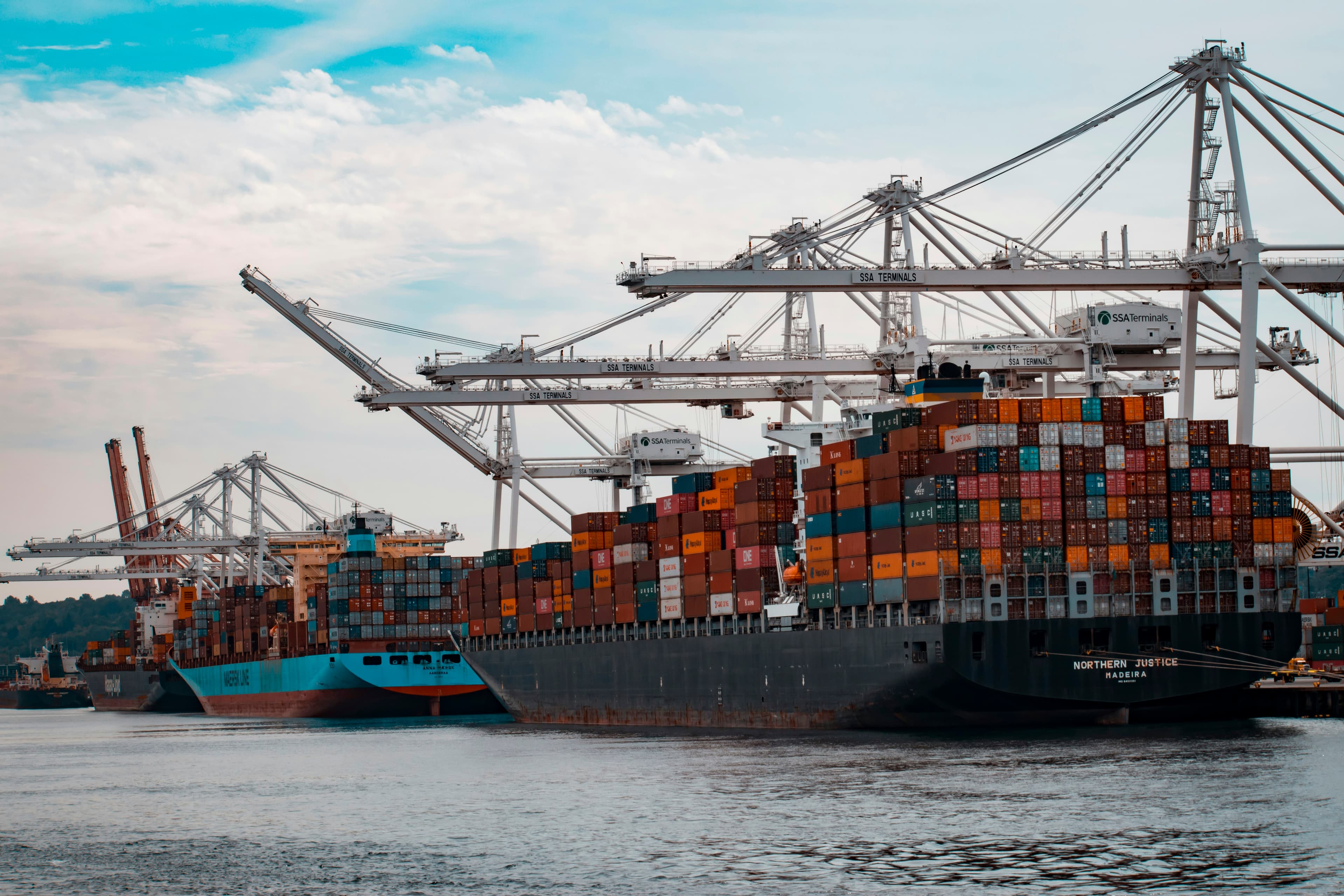
The Oil Price Surge and What's Driving It
Crude oil prices have surged sharply since the Hormuz disruption began, reflecting both the physical reduction in supply and the risk premium that energy traders apply when the world's most critical chokepoint for petroleum exports becomes actively dangerous to navigate. The Gulf states — Saudi Arabia, the UAE, Kuwait, Iraq — collectively export millions of barrels per day through that corridor. Even partial disruption to those flows tightens global supply balances quickly, because the spare capacity elsewhere in the world is limited and takes time to ramp.
The price spike is also self-reinforcing in the short term. When oil traders price in extended disruption, refiners and national strategic reserve managers start purchasing to buffer against further supply uncertainty, which adds demand-side pressure on top of the supply shock. Breaking that cycle typically requires either a credible ceasefire signal or a coordinated release of strategic petroleum reserves by major consuming nations — neither of which has materialized yet at the scale the market is looking for.
18,000 Cancelled Flights and the Air Freight Crunch
The aviation impact has been severe. Approximately 18,000 regional flights have been cancelled since the conflict intensified, as airlines suspended routes over Iranian airspace and across the broader Persian Gulf zone. That's not just a passenger inconvenience — air cargo is the primary transport mode for high-value, time-sensitive goods, and the Middle East sits at the intersection of major Asia-Europe and Asia-Africa air freight corridors. Rerouting around the conflict zone adds hours to flight times and burns more fuel, both of which translate directly into higher freight costs.
Air freight rates for routes affected by the rerouting have risen sharply, according to logistics industry tracking data. For goods that are typically moved by air because of their value-to-weight ratio or time sensitivity — semiconductors, pharmaceutical ingredients, high-end electronics, fresh produce for premium markets — those cost increases are absorbed either by shippers, retailers, or end consumers. In most cases, it's some combination of all three. The disruption is not evenly distributed; companies with long-term freight contracts are somewhat insulated, while those purchasing capacity on the spot market are taking the full hit.
Semiconductors and Pharmaceuticals: The High-Stakes Supply Chains
Two supply chains deserve particular attention in the current disruption context: semiconductors and pharmaceuticals. Both rely heavily on air freight for components and finished goods moving between Asia, Europe, and the Americas. Both also have limited short-term substitutability — you can't easily replace a specific pharmaceutical active ingredient or a particular chip variant on short notice when your usual logistics route has been disrupted. Deloitte's analysis flags both sectors as facing elevated supply chain stress that could translate into product shortages or price increases if the disruption extends for several more weeks.
The semiconductor concern connects directly to broader industrial supply chains. Automotive manufacturers, consumer electronics companies, and industrial equipment producers all carry relatively lean chip inventories under normal conditions, having spent the years since the 2021-2022 shortage building more disciplined just-in-time procurement practices. A fresh disruption to air freight reliability is testing whether those practices are lean enough to absorb even a temporary logistics shock without triggering production slowdowns.
Alternative Routes and Their Limits
For sea freight, the primary alternative to Hormuz transit is moving Gulf oil through overland pipelines to Red Sea or Mediterranean export terminals — capacity that exists but is significantly smaller than the tanker volumes the strait normally handles. Saudi Arabia's East-West pipeline and the UAE's Abu Dhabi Crude Oil Pipeline provide some bypass capacity, but nowhere near enough to replace full Hormuz throughput. The gap between what can be rerouted and what normally flows through the strait is the number that oil markets are watching most closely.
Deloitte's assessment is that the global economy can absorb a short-duration Hormuz disruption with significant but manageable pain. A closure measured in weeks rather than days, however, starts to create structural damage — inventory drawdowns that take months to rebuild, investment decisions that get deferred, inflation pressures that monetary policy can't easily address because they're supply-driven rather than demand-driven. The longer the disruption runs, the more those risks crystallize from theoretical to actual.
AI Summary
Generate a summary with AI


