SpaceX launches Starlink satellites on Pi Day from Cape Canaveral
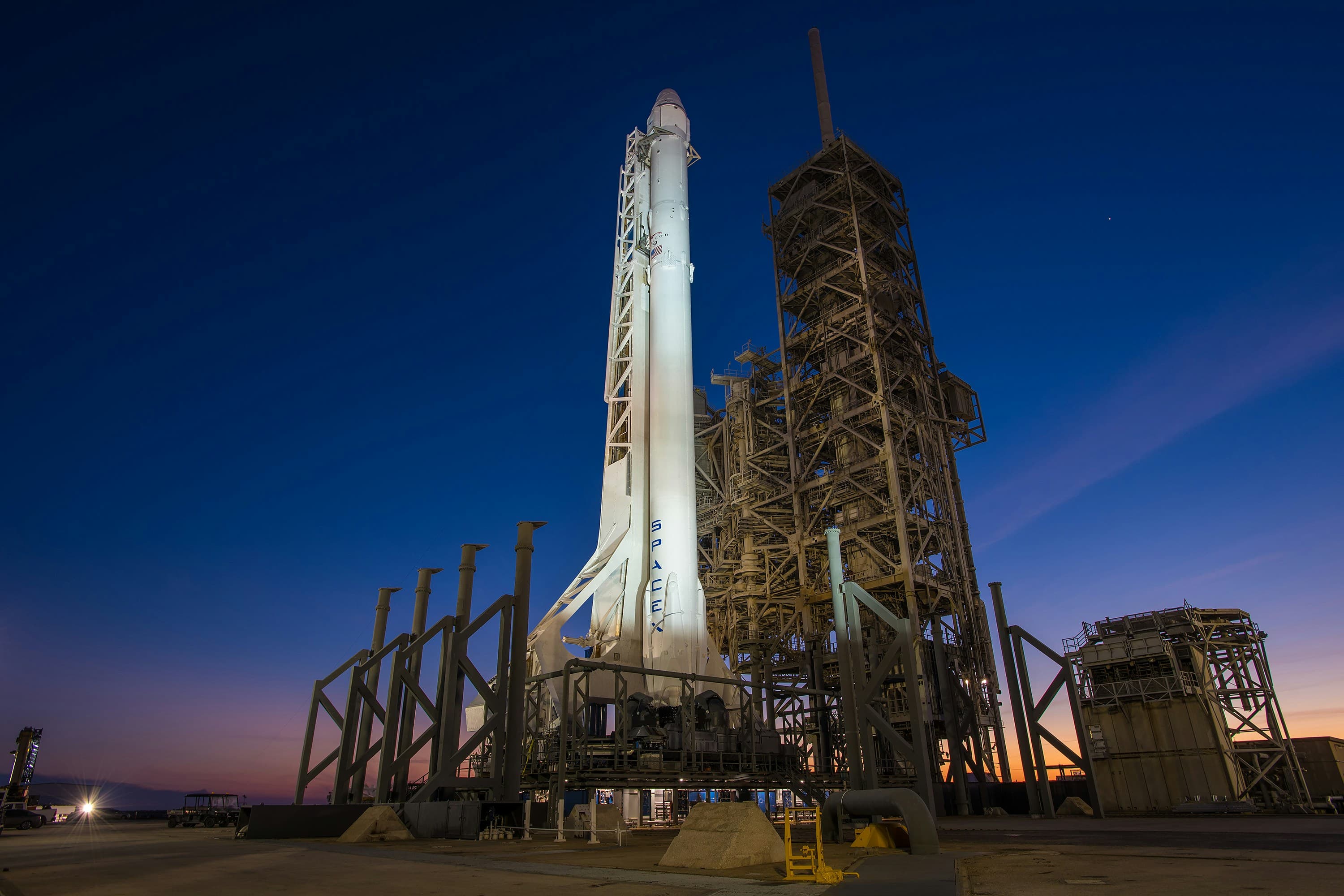
SpaceX added another batch of Starlink satellites to orbit on March 14, launching from Launch Complex 40 at Cape Canaveral Space Force Station in Florida. The Falcon 9 rocket lifted off after weather delays pushed the attempt back earlier in the week. Clear enough skies eventually cooperated, and the rocket punched through broken cloud cover on its way uprange.
The launch went by the numbers. After stage separation, the Falcon 9 first-stage booster executed a return burn and landed on a drone ship stationed in the Atlantic. SpaceX has now recovered boosters on hundreds of missions, and the routine nature of it still does not make it less impressive to watch.
What this mission adds to the Starlink network
Each Starlink batch mission deposits dozens of flat-panel satellites into low Earth orbit, typically between 340 and 560 kilometers altitude depending on the shell. From there, the satellites use onboard Hall-effect thrusters to drift into their assigned orbital planes. SpaceX has been building toward a constellation that now numbers well over 6,000 active satellites, making it the largest commercial satellite network ever deployed.
The service has expanded beyond consumer broadband. SpaceX has signed contracts with airlines, maritime operators, and several national militaries for Starlink connectivity. In remote areas of Africa, South America, and Southeast Asia, Starlink terminals have become a primary internet option where fiber or cell towers are absent. Monthly plans in the US start at $120 for residential service, with hardware costs around $349 for the standard dish.
Weather delays and the Florida launch cadence
Weather at Cape Canaveral is notoriously unpredictable in the early part of the year. Cumulus clouds, high upper-level winds, and lightning within a certain radius of the pad can all scrub an attempt. SpaceX typically has a backup window ready the following day, though Eastern Range availability and booster turnaround schedules can complicate that. The Pi Day launch cleared after the range went green in the early morning window.
SpaceX has confirmed the next Starlink launch from Florida is scheduled for no earlier than March 17. The company aims to maintain a high flight rate out of both Cape Canaveral and Vandenberg Space Force Base in California. In 2024, SpaceX flew over 90 orbital missions total across both sites, with Starlink accounting for the majority of that manifest.
Competition closing in, but Starlink still leads
Amazon's Project Kuiper has begun its own launches and is working toward commercial service. Eutelsat's OneWeb constellation is operational in the northern latitudes. Neither has the scale that Starlink currently operates at. Amazon has committed to deploying at least 1,600 satellites before it can begin offering service under FCC license terms, and its first production launch batches only started reaching orbit in late 2024.
The orbital congestion question is real. Astronomers have raised concerns about satellite trails interfering with ground-based telescope observations. SpaceX introduced a visor kit on earlier Starlink models to reduce reflectivity, and newer Generation 2 satellites are designed with lower albedo surfaces. The ITU coordination process for satellite spectrum and orbital slots has also become more contested as more operators file for large constellations.
What Pi Day has to do with any of this
March 14 is celebrated as Pi Day because the date in month-day format reads 3/14, matching the first three digits of the mathematical constant. SpaceX did not theme the mission around the date, but the coincidence got picked up widely online. The company tends to name its missions by booster number and flight count rather than anything ceremonial. This one was just another entry in a very long manifest.
AI Summary
Key insights from this article


