SpaceX Successfully Launches Next-Gen Starlink V3 Satellites
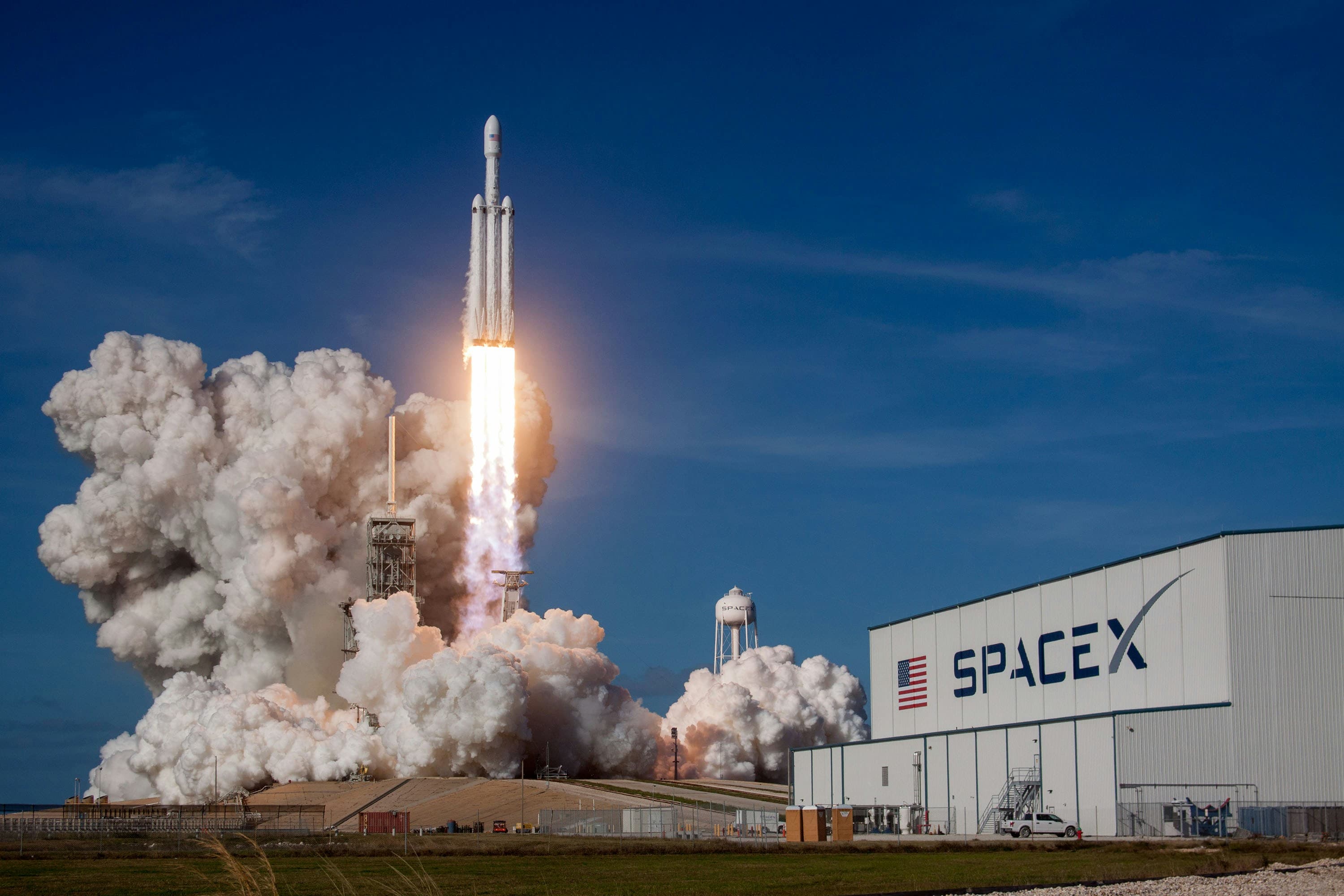
Early this morning, a Falcon 9 rocket lifted off and placed 22 Starlink V3 satellites into low Earth orbit, marking another step forward in SpaceX's effort to build a truly global internet network. The launch went smoothly, and the upgraded satellites are already drawing attention for one key reason: significantly improved laser cross-link technology that could change how the constellation handles data routing — especially over oceans and polar regions where ground infrastructure is thin or nonexistent.
What Makes V3 Different
The jump from V2 to V3 isn't just a version number bump. These satellites are heavier, carry more advanced phased-array antennas, and — most importantly — are equipped with enhanced inter-satellite laser links. That last part matters a lot. With stronger laser cross-links, data can hop between satellites in orbit rather than bouncing down to a ground station and back up again. In practice, that means lower latency for users in remote areas and more resilient coverage during peak demand.
SpaceX has been iterating on Starlink hardware at a pace that most traditional satellite operators simply can't match. The V1 satellites launched back in 2019 didn't even have inter-satellite links. V2 Mini introduced them. Now V3 refines the whole system further, with better power handling and what the company claims is a higher throughput per satellite.
Global Coverage Is the Real Goal
Starlink already serves millions of customers across dozens of countries, but consistent global coverage — including maritime and aviation users — requires the kind of satellite-to-satellite communication these new units provide. Ships in the middle of the Pacific, research stations in Antarctica, and planes flying transoceanic routes all benefit directly from a constellation that doesn't depend entirely on ground relays.
This is also where the competitive pressure is building. Amazon's Project Kuiper is scaling up, and OneWeb (now part of Eutelsat) is actively growing its own LEO network. SpaceX's response has been to keep launching — fast. At this point, Starlink has more active satellites in orbit than every other operator combined, and today's batch only adds to that lead.
The Reusability Factor
It's easy to gloss over the booster landing by now — SpaceX has made it routine — but the economics of reusable rockets are directly tied to why Starlink can exist at this scale. The Falcon 9 first stage used in today's mission had flown multiple times before. Each reuse chips away at the per-launch cost, which in turn makes it financially viable to keep building and deploying satellites at this pace. No other rocket currently operating can match that turnaround speed at this price point.
What Comes Next
SpaceX hasn't published a fixed V3 deployment timeline, but given the company's launch cadence over the past two years, expect more batches to follow in the coming months. The longer-term picture involves Starship eventually taking over heavy Starlink deployments — its massive payload capacity would allow far more satellites per launch than Falcon 9. That transition, when it comes, will likely accelerate constellation growth considerably.
For now, though, today's launch adds 22 more nodes to a network that's already reshaping how rural communities, maritime operators, and airlines think about connectivity. The V3 upgrade is incremental on paper, but in aggregate — across thousands of satellites — those incremental gains add up to something the original Starlink engineers probably didn't fully map out back in 2015.
AI Summary
Generate a summary with AI