Sony raises PS5 and PS5 Pro prices by up to $150 starting April 2
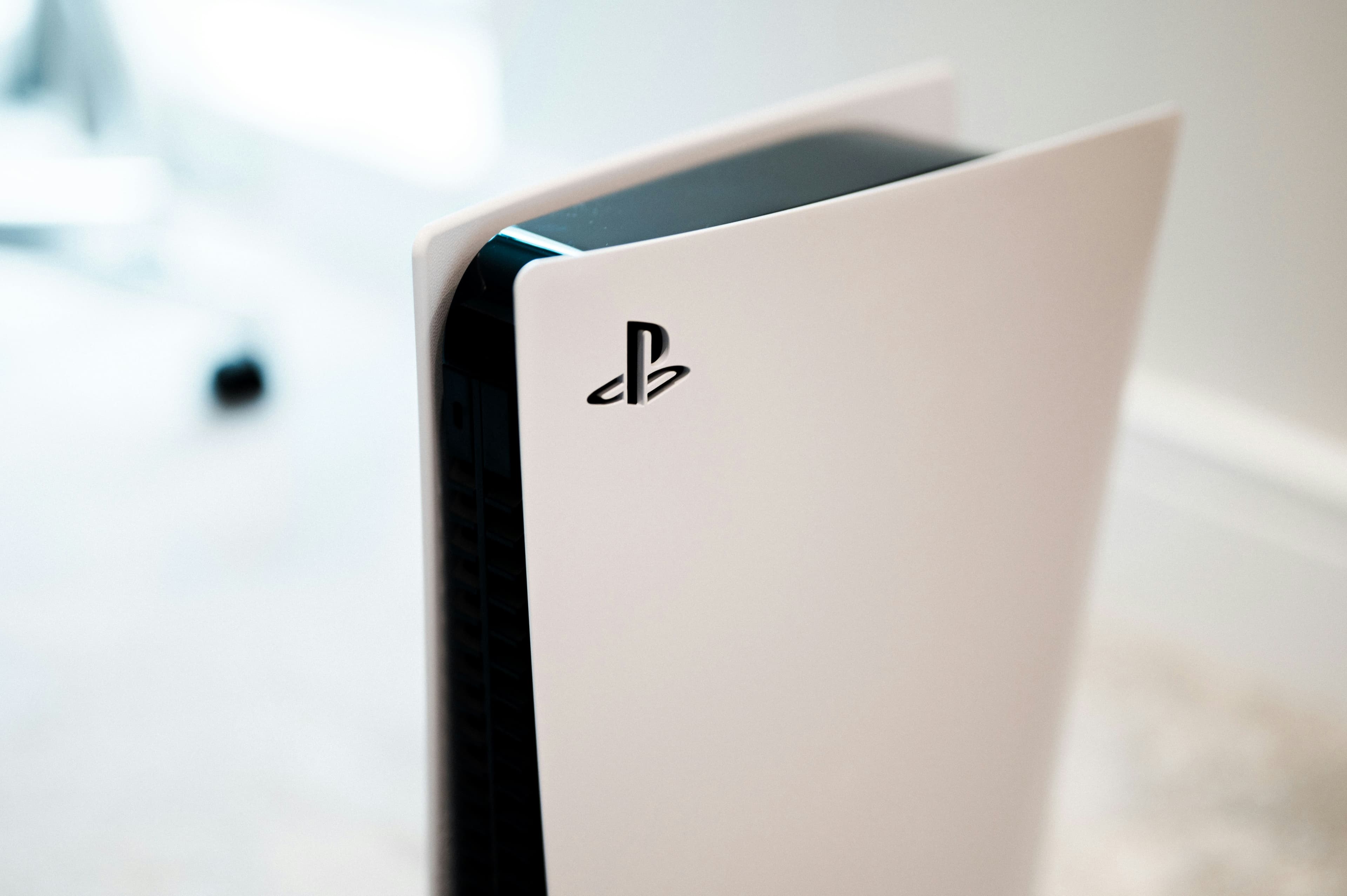
Sony Interactive Entertainment has confirmed price increases across its entire PlayStation 5 lineup, effective April 2, 2026. The standard PS5 disc edition will cost $649.99, up from $499.99 at launch. The Digital Edition moves to $599.99, and the PS5 Pro now sits at $899.99. The PlayStation Portal, Sony's remote play handheld, is also getting a price bump. Sony cited global economic pressures, rising production costs, and increased competition for memory components driven by AI hardware demand as the reasons behind the increases.
The timing is notable. April 2 lands mid-console-generation, at a point where the PS5 has been on the market for over five years and Sony would typically be looking to expand its installed base rather than charge more. Raising prices now is a calculated bet that demand is strong enough to absorb the increase without a significant drop in unit sales.
The new price breakdown
The PS5 disc edition at $649.99 represents a $150 increase over its original $499.99 launch price. The Digital Edition at $599.99 is also up $150 from its $449.99 starting point. The PS5 Pro, which launched in November 2024 at $699.99, is moving to $899.99, a $200 jump in just over a year. Sony has not specified the exact new price for the PlayStation Portal, but confirmed it is also increasing.
These are not small adjustments. A $900 PS5 Pro puts the console well above what most gaming PCs cost at entry level, and the standard PS5 at $650 is now more expensive than the Xbox Series X, which Microsoft has held at $499.99. Sony is effectively betting that its exclusive game library and the PlayStation brand are worth a significant premium over the competition.
Why memory costs are a real factor here
Sony's mention of AI-driven memory demand is not a deflection. DRAM and NAND flash prices have been climbing since mid-2024, partly because hyperscalers including Microsoft, Google, and Amazon have been buying memory components at scale for AI server buildouts. SK Hynix reported that HBM and data center DRAM accounted for a growing share of its 2024 revenue, and Micron guided for continued strong data center demand through 2025. When AI infrastructure competes with consumer electronics for the same memory supply, consumer devices tend to absorb the cost.
The PS5 uses custom GDDR6 memory developed with AMD. That specific memory type is not identical to the HBM3E used in Nvidia's AI chips, but the broader DRAM supply chain is interconnected enough that price pressure in one segment ripples across others. Sony's production volumes, while large in gaming terms, are small compared to what a single hyperscaler buys in a quarter.
How this compares to previous PlayStation price history
Sony actually raised PS5 prices once before, in August 2022, increasing the console by roughly $50 in Europe, Japan, and several other markets. The US was exempted from that increase at the time. This April 2026 round is the first time the US market is being hit, and the magnitude is larger. The PS3 launched at $599.99 in 2006, which drew immediate criticism and contributed to slow early adoption. Sony spent the subsequent years cutting that price aggressively. The PS4 launched at $399.99 in 2013, and the PS5's $499.99 launch price in 2020 was seen as reasonable given the hardware inside.
Getting back to $650 for the standard model reverses much of the goodwill Sony built with its PS5 pricing strategy. The PS3 comparison will inevitably come up, even if the circumstances are different. In 2006, Sony was losing money on every unit sold and trying to push Blu-ray adoption. In 2026, the PS5 is a mature product with established manufacturing, which makes the price increase harder to explain purely on hardware economics.
What this means for people thinking about buying
Anyone who has been on the fence about buying a PS5 now has a concrete deadline. Purchasing before April 2 locks in the current price, which for the disc edition is $150 less than what Sony will charge from that date forward. Retailers including Best Buy, Target, and Amazon are still listing consoles at existing prices, and stock levels appear adequate ahead of the change.
For PS5 Pro buyers, the calculus is starker. A $900 console requires a very specific kind of buyer, someone who already has a PS5 and wants the performance upgrade, or someone new to PlayStation who wants the best available hardware regardless of price. The Pro's 45% GPU performance improvement over the standard PS5 and its AI-based upscaling system are real differences, but at $900 they are being asked to justify a price point that approaches enthusiast PC territory.
Microsoft's position after the Sony announcement
Microsoft has not announced any price changes for the Xbox Series X or Series S. With the Series X holding at $499.99 and the Series S at $299.99, the gap between Sony and Microsoft hardware is now wider than it has been at any point this generation. Microsoft's strategy has increasingly focused on Game Pass subscriptions and cross-platform availability rather than hardware exclusivity, which gives the company more flexibility on console pricing.
Sony sold approximately 50 million PS5 units through the end of 2024, ahead of the PS4's pace at the same point in its lifecycle. Whether that momentum holds through a price increase will be visible in Sony's quarterly earnings reports. The company's next earnings call is scheduled for May 2026 and will include the first sales data from the post-April 2 pricing period.
AI Summary
Generate a summary with AI

