Sony forms Bravia Inc. joint venture with TCL to run its home entertainment division
Sony has confirmed it is forming a joint venture with Chinese electronics manufacturer TCL called Bravia Inc. Sony will hold a 51% controlling stake in the new company, with TCL taking the remaining 49%. The venture is scheduled to begin operations in April 2027 and will take over Sony's entire home entertainment product line, covering Bravia televisions, projectors, consumer displays, and audio products.
This is a meaningful structural change. Sony is not selling the Bravia brand. It is handing operational control of the division to a jointly managed entity where its largest partner is one of the world's biggest TV manufacturers by volume. TCL shipped roughly 30 million televisions in 2023, making it the third-largest TV brand globally behind Samsung and LG. Sony, by comparison, shipped around 8 million units that year.
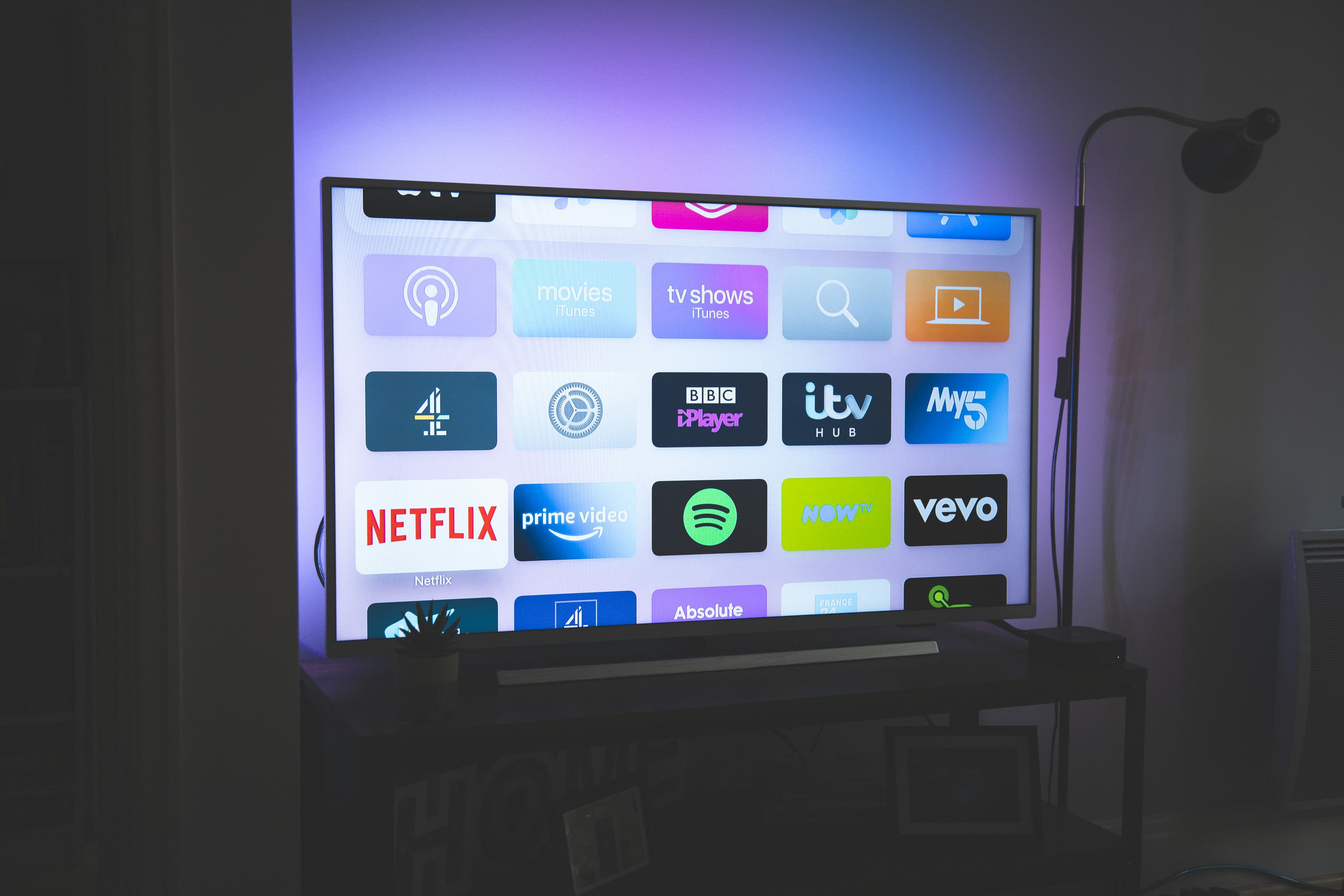
What Bravia Inc. will actually manage
Bravia Inc. will oversee product development, manufacturing coordination, supply chain, and sales for Sony's home entertainment hardware. That includes the full Bravia TV lineup from entry-level LED sets to the flagship A95L QD-OLED models, as well as projectors and the home theater audio range. Sony's professional display business, which serves broadcasting and cinema clients, is not part of the joint venture and stays under direct Sony management.
The Sony Pictures and PlayStation businesses are also entirely separate from Bravia Inc. Sony has been deliberate about ring-fencing its high-margin content and gaming divisions from hardware restructuring moves. The joint venture is specifically about consumer electronics hardware, a category where margins have been under sustained pressure for years.
Why Sony is doing this now
Sony's TV business has been profitable relative to the broader industry, but it has been a slow-growth segment for the company. In Sony's fiscal year 2023 results, the Entertainment, Technology and Services segment, which includes televisions, posted operating income of roughly 85 billion yen on revenue of around 2.5 trillion yen. Those numbers are not bad, but they are modest compared to Sony's gaming and music divisions, which generated far higher operating margins.
TCL brings manufacturing scale and supply chain reach that Sony cannot match on its own at current volumes. TCL operates its own panel manufacturing through its CSOT subsidiary, which produces both LCD and OLED panels. That vertical integration gives TCL significant cost advantages in component sourcing, and a joint venture structure lets Sony access those advantages without fully ceding the Bravia brand or product positioning.
What this means for the Bravia brand and product quality
Sony has positioned Bravia at the premium end of the TV market for years, competing directly with Samsung's Neo QLED lineup and LG's OLED range on picture quality and software experience. The concern that naturally follows a deal like this is whether TCL's involvement will push cost-cutting decisions that affect the end product. Sony retaining 51% control is the mechanism meant to prevent that, but majority ownership does not always translate into product direction dominance when the minority partner controls critical parts of the supply chain.
Sony has stated that Bravia's engineering and picture processing teams will continue operating under the same technical standards. The company's proprietary Cognitive Processor XR, which handles picture and sound processing on higher-end Bravia models, is developed internally and is not part of what TCL contributes to the venture. How that division of responsibility holds up in practice once Bravia Inc. is fully operational in 2027 is something the market will watch closely.
TCL's growing role in premium consumer electronics
TCL has spent the last decade moving aggressively into markets that Chinese manufacturers were previously absent from at the premium tier. The company acquired the rights to sell televisions under the Alcatel and BlackBerry mobile brands in Western markets, expanded its own-brand presence in North America and Europe, and invested heavily in mini-LED backlighting technology to compete with OLED on contrast and brightness. Its QM8 and QM851G mini-LED models received strong performance reviews from outlets including Rtings.com in 2023 and 2024.
The Bravia Inc. joint venture is a different kind of move. Rather than competing with Sony directly in retail, TCL becomes the operational backbone of a brand it would otherwise be fighting for shelf space against. For TCL, the deal provides a path into the premium segment through an established brand with decades of consumer trust built on products like the Trinitron and later the OLED Bravia A series. Bravia Inc. is expected to formalize its leadership structure and publish an operational roadmap before the April 2027 launch date.
AI Summary
Generate a summary with AI

