Oil prices near $100 as Strait of Hormuz closure triggers historic supply shock
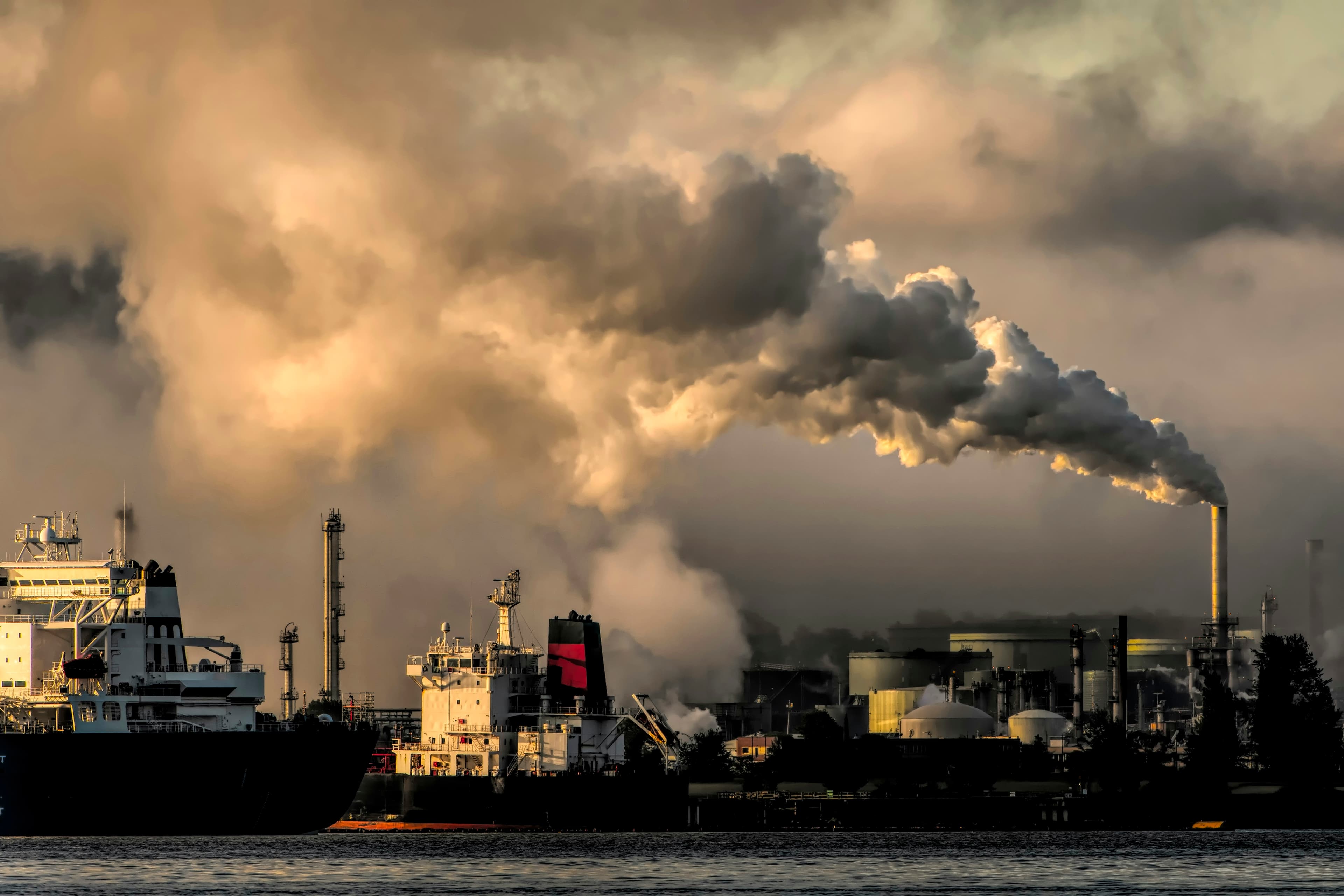
The International Energy Agency has described the current disruption to global oil supply as the largest in the history of the oil market. That is not rhetorical escalation. The IEA has been tracking supply shocks since the 1973 Arab embargo, through the 1979 Iranian Revolution, through the Gulf War, and through the 2022 Russia-Ukraine disruption. The current Hormuz closure, combined with Iraq's output collapse, has produced a supply gap that exceeds all of those prior events by volume. Crude prices are trading near $100 per barrel and have not retreated meaningfully since the strait shut down.
Iraq's production has dropped by approximately 3 million barrels per day since the conflict began. Iraq was producing around 4.3 million barrels per day before the disruption, making it OPEC's second-largest producer behind Saudi Arabia. Losing three-quarters of that output in a short period, on top of the Hormuz closure removing the transit route for Gulf producers, has compressed global supply in a way the market's existing buffers were not sized to handle.
The IEA's 400 million barrel reserve release
The IEA's 31 member countries agreed to release 400 million barrels from their collective strategic petroleum reserves. For scale, the largest prior coordinated release was the 60 million barrel drawdown in March 2022 after Russia invaded Ukraine, which was followed by a US unilateral release of 180 million barrels over six months. The current 400 million barrel commitment is substantially larger than anything the IEA has previously authorized.
The United States holds approximately 351 million barrels in its Strategic Petroleum Reserve as of early 2026, down from around 638 million barrels before the 2022 drawdown that was only partially refilled. The US cannot release 400 million barrels on its own. The IEA figure represents a collective commitment across member states including Japan, South Korea, Germany, France, and the UK, each of which maintains their own national reserves. Coordinating actual release logistics across that many governments, each with different storage infrastructure and contractual arrangements, typically takes weeks to produce physical barrels in markets.
Why the reserve release has not stopped the price rise
Reserve releases work by injecting additional supply into markets over a period of weeks or months. They do not produce instant relief at the pump. The announcement of a release changes market expectations and can slow the pace of price increases, but the physical barrels have to be extracted from storage facilities, loaded onto tankers, and shipped to refiners before they affect actual supply. The gap between announcement and physical delivery is typically four to six weeks for the bulk of a release program.
The math also presents a problem. At the lower bound of the Hormuz disruption estimate, approximately 7 million barrels per day have been removed from markets. The IEA's 400 million barrels, released over the typical 180-day drawdown period used in prior programs, would deliver roughly 2.2 million barrels per day into markets. That covers less than a third of the disruption. At the higher end of the disruption estimate, 11 million barrels per day, the reserve release covers under 20 percent of the shortfall.
Gulf producers and the rerouting problem
Saudi Arabia and the UAE have pipeline infrastructure that bypasses the Strait of Hormuz. The Saudi East-West Pipeline connects its eastern oil fields to the Red Sea port of Yanbu and can carry approximately 5 million barrels per day when running at full capacity. The Abu Dhabi Crude Oil Pipeline runs from Habshan to the Gulf of Oman port of Fujairah and has a capacity of around 1.5 million barrels per day. Both pipelines were already operating near capacity before the Hormuz closure, which means there is limited additional throughput available through those routes.
Kuwait and Qatar have no significant bypass pipeline infrastructure. Their exports depend entirely on strait access. Qatar, which is the world's largest LNG exporter and ships approximately 77 million tonnes of liquefied natural gas per year, has also seen those exports disrupted. European gas markets, which had been gradually reducing dependence on Russian supply since 2022, are now facing reduced LNG availability from Qatar at the same time as the broader energy supply crunch is pushing up prices across all fossil fuel categories.
What $100 oil means for economies already under pressure
The IMF's 2024 World Economic Outlook estimated that a sustained $10 increase in oil prices reduces global GDP growth by approximately 0.2 percentage points over the following year. Oil has risen roughly $22 per barrel since before the conflict began. Applying that relationship linearly, which is imprecise but directionally useful, suggests a GDP growth reduction of around 0.4 to 0.5 percentage points globally if prices remain elevated for a full year. Several emerging economies that are major oil importers, including India, Pakistan, and most of sub-Saharan Africa, face proportionally larger impacts because energy costs represent a higher share of their GDP.
Airline fuel costs have risen approximately 30 percent since the disruption began, according to data from the International Air Transport Association's weekly fuel monitor. Airlines that did not hedge their fuel exposure going into 2026 are absorbing those costs directly. United Airlines and Delta both issued profit warnings in February 2026 citing fuel cost uncertainty, and several European carriers have filed for emergency government consultations about operational sustainability if prices remain above $95 per barrel through the second quarter.
AI Summary
Generate a summary with AI


