Microsoft invests $10 billion in Japan AI infrastructure
Microsoft’s decision to spend 1.6 trillion yen in Japan over the next few years signals how seriously governments and tech companies now treat artificial intelligence. This is not a routine expansion of cloud services. The scale and focus of the investment point to a deeper shift where computing power, data control, and cybersecurity are tied closely to national priorities.
what the investment includes
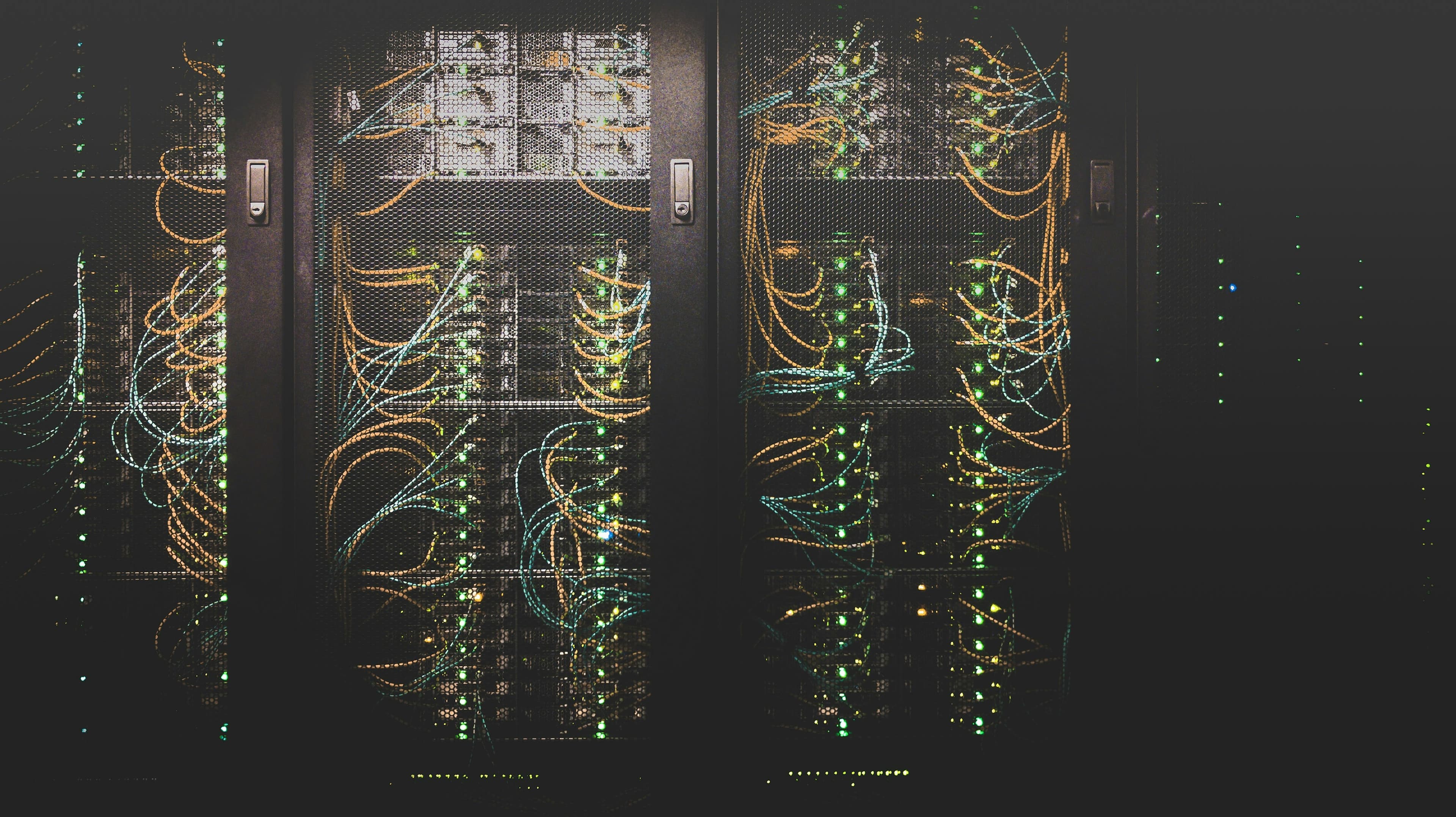
The funding, spread between 2026 and 2029, will go toward building and expanding data centers across Japan. These facilities power AI systems by handling vast amounts of data and running complex models. Microsoft also plans to upgrade its cloud computing capacity in the country, which allows businesses and government agencies to process information locally rather than relying on overseas servers.
Cybersecurity forms another major part of the plan. Microsoft has committed to working more closely with Japanese authorities to strengthen defenses against digital threats. This includes training programs, shared threat intelligence, and improved monitoring systems designed to respond quickly to attacks.
why japan is investing alongside microsoft
Japan has been pushing to reduce its dependence on foreign technology infrastructure, especially as geopolitical tensions affect supply chains and data access. By hosting more computing resources within its borders, the country gains greater control over sensitive information. It also reduces latency for AI applications used in manufacturing, healthcare, and finance.
Government involvement is not just about security. There is also an economic angle. Expanding AI capacity can support domestic companies that rely on machine learning tools, from robotics firms to financial services. With local infrastructure, these businesses can scale without sending data abroad, which often comes with regulatory and privacy concerns.
the bigger picture for global tech competition
This move places Japan among a growing list of countries investing heavily in AI infrastructure. The United States and parts of Europe have taken similar steps, often pairing public policy with private sector funding. What stands out here is the size of the commitment from a single company and how closely it ties into national policy goals.
For Microsoft, the investment strengthens its position in Asia at a time when demand for AI services continues to rise. For Japan, it provides access to large-scale computing power without building everything from scratch. The partnership reflects a practical approach: combine local priorities with global technical expertise.
Construction and upgrades are expected to roll out in phases through 2029, with new data center capacity coming online incrementally. The pace will depend on energy availability, land use approvals, and the speed at which companies adopt AI tools that rely on this infrastructure.
AI Summary
Generate a summary with AI


