Microsoft's $1 billion Thailand investment: what it means for Southeast Asia
Microsoft has committed $1 billion to expand its cloud and AI infrastructure in Thailand, making it one of the largest single technology investments the country has received from a US company. The announcement covers data center capacity, cybersecurity programs, and workforce training, with the Thai government involved as a partner in the initiative.
Thailand is not a random choice. The country has been working to position Bangkok as a regional technology hub, and its government has offered tax incentives to attract data center operators since 2022. Microsoft's investment is a direct response to that policy environment, and it signals that Southeast Asia's cloud market is now large enough to justify infrastructure at this scale.
What the $1 billion will actually build
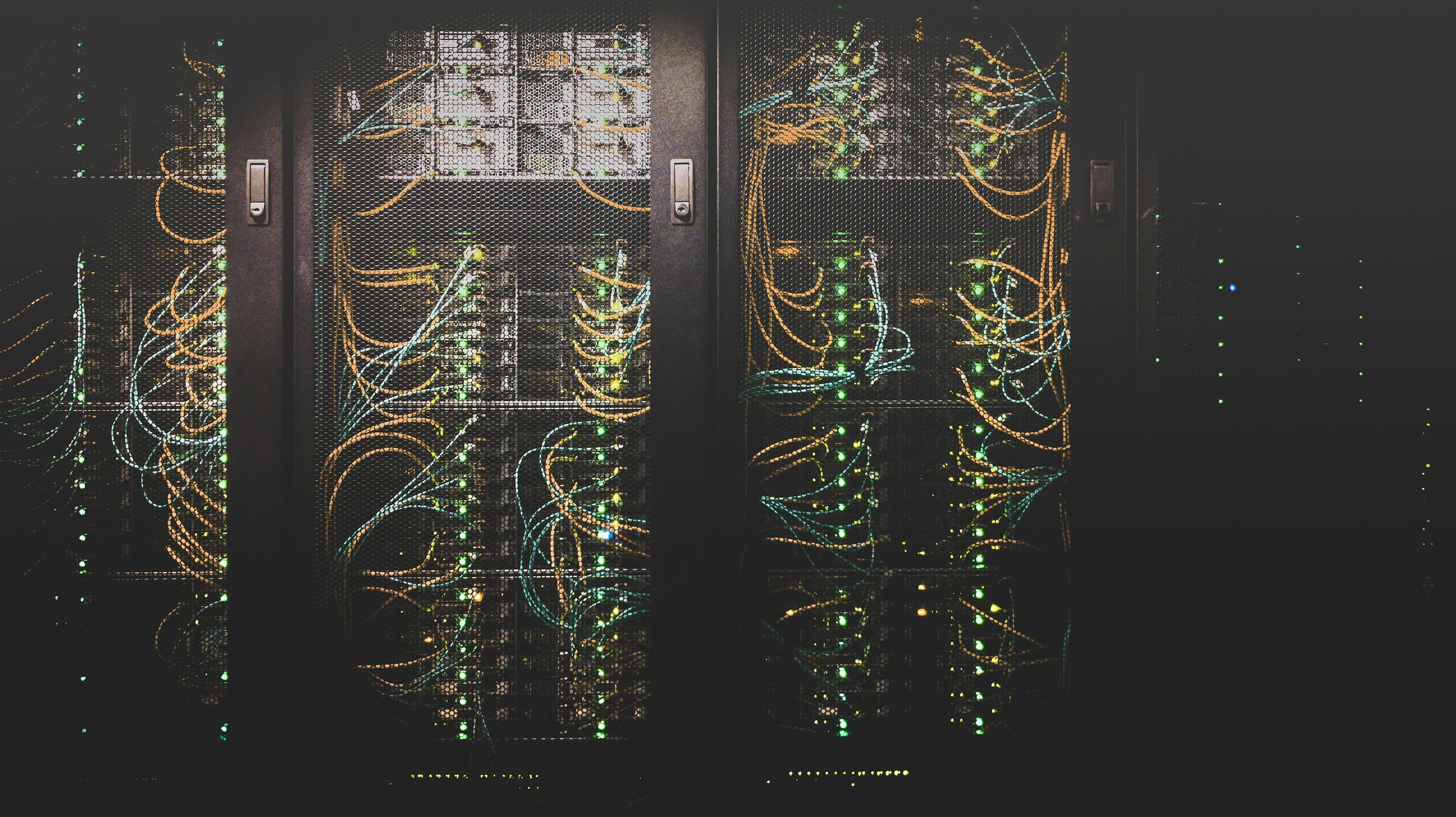
The bulk of the investment goes toward physical infrastructure. Microsoft plans to build and operate new data centers in Thailand that will run Azure cloud services for businesses across the region. Data centers of this type typically take two to four years from groundbreaking to full operation, so the capacity being announced now will not be available overnight.
Cybersecurity is the second major component. Microsoft has outlined plans to work with Thai government agencies on security training and threat detection frameworks. This is consistent with what the company has done in other markets, including its cybersecurity commitments in Europe and its government security programs in Japan.
Workforce development makes up the third pillar. Microsoft says it aims to train 100,000 people in Thailand on AI and cloud skills over the next few years through partnerships with local universities and vocational programs. That number sounds large, but Microsoft ran a similar program in Indonesia targeting 1 million people, so it has a template for this kind of initiative.
Why Southeast Asia, and why now
The region's cloud market is growing fast. Google parent Alphabet announced a $1 billion investment in Thailand in 2023. Amazon Web Services has been expanding in the region for years. Microsoft is entering Thailand later than some competitors, which means it is betting that demand will keep growing rather than peaking.
Southeast Asia's internet economy was valued at roughly $218 billion in 2023 according to Google, Temasek, and Bain's annual e-Conomy SEA report. Cloud services are a significant portion of that spending. For Microsoft, getting data centers physically closer to customers in Thailand, Vietnam, and neighboring countries reduces latency and makes Azure more competitive against local providers.
There is also a geopolitical dimension. Several Southeast Asian governments want to ensure they have access to cloud infrastructure that is not entirely dependent on any one country's political decisions. Having a US technology company build physical infrastructure locally gives those governments more negotiating flexibility.
Microsoft's broader Asia-Pacific push
Thailand is part of a pattern. In 2024, Microsoft announced $2.9 billion for Japan and $1.7 billion for Indonesia, both focused on AI and cloud capacity. The Thailand commitment fits the same template: physical data centers, government partnerships, and public-facing skills programs. The total Asia-Pacific investment across those three countries alone exceeds $5.7 billion.
The consistency of the approach tells you something about Microsoft's strategy. Rather than building one massive regional hub and routing traffic through it, the company is building country-level infrastructure to meet data residency requirements and local latency expectations. Businesses in regulated industries such as banking and healthcare often cannot store data outside their home country, so local data centers are a prerequisite for selling to those sectors.
What Thai businesses can expect
For companies already using Azure, local data centers mean lower latency for applications running in Thailand. That matters most for real-time workloads like financial transactions, video streaming, and AI inference tasks where every millisecond affects user experience.
For businesses considering a move to cloud infrastructure, Microsoft's local presence reduces one of the common objections: data sovereignty. Thai financial regulators, for example, require that certain customer data remain within the country. Local Azure regions make compliance with those rules straightforward.
Microsoft has not published a specific timeline for when the Thai data centers will go live. The company's investments in Indonesia, announced in 2024, are expected to become operational in phases through 2026 and 2027. The Thailand build-out will likely follow a similar schedule.
AI Summary
Generate a summary with AI


