Meghalaya signs Starlink agreement to bring internet to remote areas
The Meghalaya government has signed a formal agreement with Starlink to extend satellite internet coverage across the state, targeting villages and districts where terrestrial broadband has never arrived. This is not a pilot program or a letter of intent. It is a signed agreement, which puts Meghalaya among the first state governments in northeastern India to formally commit to Starlink as part of its connectivity strategy.
Meghalaya has a terrain problem. The state sits in the northeastern corner of India, covered largely by hills and dense forest. Around 80 percent of its population lives in rural areas, and laying fiber optic cables across those hills is slow and expensive. Mobile tower coverage exists in parts of the state, but signal quality drops sharply once you move away from towns like Shillong or Tura. Satellite internet sidesteps those geography problems entirely.
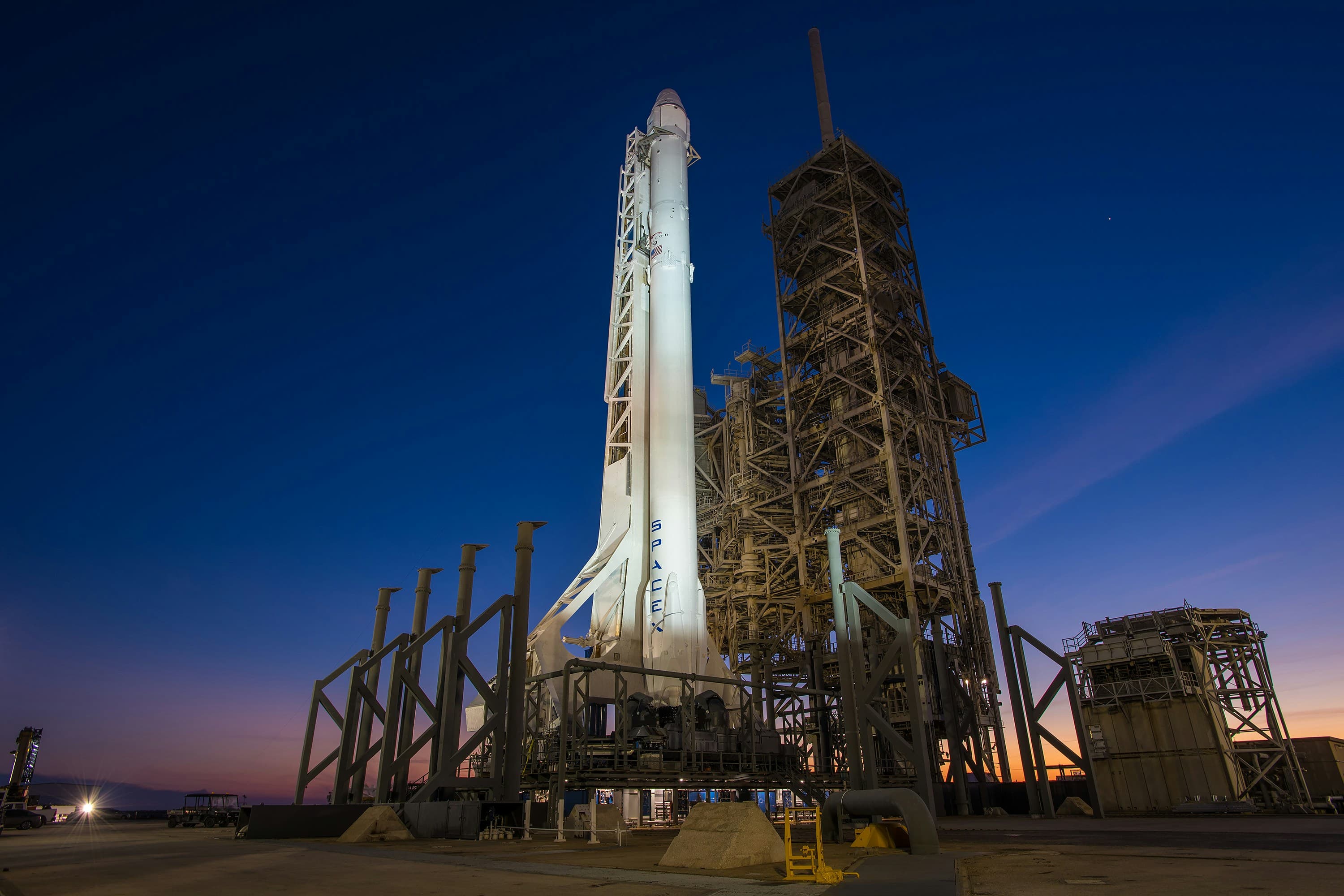
What Starlink offers that other options do not
Starlink operates a low Earth orbit satellite network, with satellites positioned roughly 550 kilometers above the surface. That altitude is significantly lower than traditional geostationary satellites, which sit at about 35,000 kilometers. The practical difference is latency. Geostationary systems typically deliver latency above 600 milliseconds, making video calls and real-time applications frustrating. Starlink's average latency in most markets sits between 25 and 60 milliseconds, which is closer to a fixed broadband connection.
Download speeds on Starlink generally range between 50 and 200 Mbps depending on congestion and location. For a village school running online classes or a health center uploading patient records to a district server, those speeds are more than adequate. The hardware setup is also relatively straightforward: a dish antenna, a router, and a power source. No trenching, no tower construction, no waiting years for infrastructure to arrive.
Starlink's regulatory path in India
Starlink received its Letter of Intent from India's Department of Telecommunications in 2024, clearing a significant regulatory hurdle that had delayed its India entry for years. SpaceX had applied for a license as far back as 2022 but faced extended scrutiny over spectrum allocation and foreign satellite operator rules. The approval came after the Indian government updated its satellite communication policy to allow commercial operators to apply through the IN-SPACe framework.
Meghalaya's agreement comes at a point when Starlink is actively trying to establish state-level partnerships across India to accelerate deployment. Several other northeastern states are reportedly in discussions, though Meghalaya appears to have moved fastest to formalize the arrangement. The state government has been more aggressive than most on digital access investments, having previously worked with the BharatNet program, which has faced repeated delays in the region.
What the agreement covers
The agreement focuses on bringing connectivity to government institutions first, including schools, primary health centers, and block-level administrative offices in areas without reliable internet. This phased approach is common in state-level satellite internet rollouts because it gives the government a way to measure actual performance before expanding to residential users. It also reduces upfront cost, since the government procures a defined number of terminals rather than subsidizing household access immediately.
The Meghalaya government has not released the full financial terms of the agreement. Starlink's standard commercial pricing in India is expected to be around Rs 3,000 to Rs 7,000 per month for residential plans, with hardware costs between Rs 20,000 and Rs 35,000 for the dish and router. Whether the state has negotiated different rates for institutional use has not been disclosed, which is a reasonable question given the scale of deployment being discussed.
The gap Starlink is trying to fill in the northeast
India's northeastern states collectively have some of the lowest internet penetration rates in the country. According to the Telecom Regulatory Authority of India's 2023 report, broadband subscriber density in Meghalaya was among the lowest of any state, at around 34 subscribers per 100 people against a national average of over 67. The gap is not for lack of demand. It is a supply problem, driven almost entirely by infrastructure difficulty.
BharatNet, the government's flagship rural fiber program, has covered parts of Meghalaya but completion has lagged significantly behind schedule. As of mid-2024, a substantial number of gram panchayats in the state remained unconnected under the program. Starlink does not need to wait for fiber to reach a village. A terminal can be installed and operational within hours of delivery.
What comes next for the rollout
Starlink is expected to begin commercial operations in India through the second half of 2025, pending final spectrum allocation decisions. The Meghalaya agreement will likely move into active deployment once those national-level clearances are complete. The state government has indicated that the first phase will cover around 150 government institutions across the Garo Hills, Khasi Hills, and Jaintia Hills regions, all of which have historically poor connectivity.
Whether Starlink can deliver consistent performance in Meghalaya's terrain will be the real test. The satellite network performs well in open terrain, but tree canopy and building obstructions can reduce signal quality. Dense forested areas in the state may require careful antenna placement to maintain a clear sky view. SpaceX has improved obstruction handling in newer terminals, but the company's own documentation still recommends open sky with minimal interference for best results.
The Meghalaya government has committed to reviewing the deployment results after the first phase before deciding on broader residential expansion. That review is expected sometime in early 2026, once enough operational data from institutional terminals has been collected.
AI Summary
Key insights from this article

