Mars dust storms generate significant hidden electrical activity, research shows
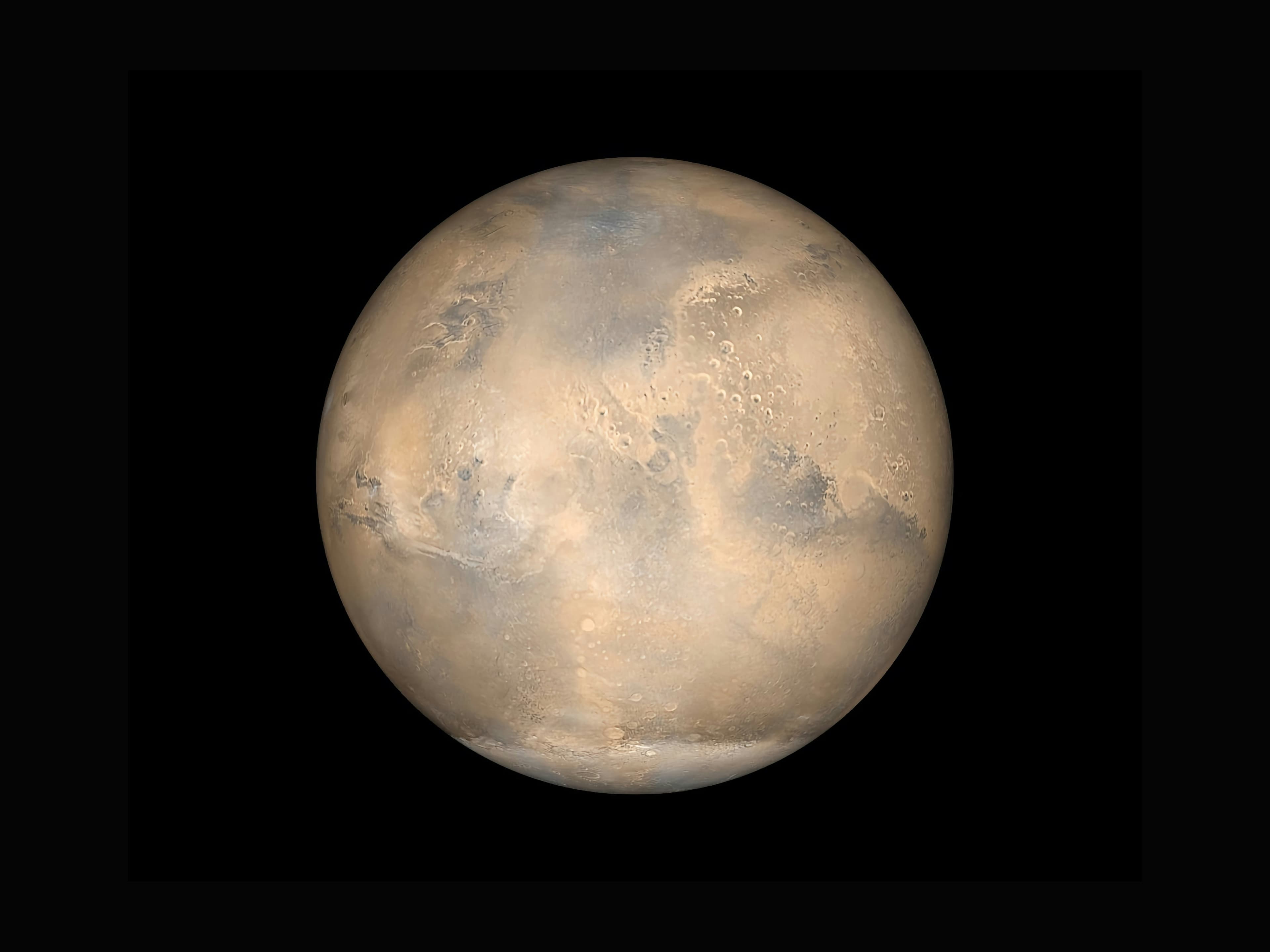
Mars has long been treated as a geologically quiet planet with a thin, cold atmosphere that does little of consequence. New research is revising that picture. Scientists have found that dust storms and smaller dust devils on the Martian surface generate substantial electrical fields, a form of atmospheric activity that has been largely unmeasured and underappreciated in decades of Mars observation.
The electrical fields produced during these dust events are not minor background noise. Measurements and models indicate that under storm conditions, the charge separation in Martian dust clouds can reach levels comparable to terrestrial thunderstorm activity, despite the fact that Mars has an atmospheric pressure only about one percent of Earth's. That combination of low pressure and high electrical output makes the physics involved genuinely unusual.
How dust generates electricity on Mars
The process is called triboelectric charging, and it works the same way static electricity builds up when you rub a balloon against fabric. When dust particles collide during a storm, they exchange electric charge. Smaller particles tend to acquire a negative charge while larger ones become positively charged. As wind separates particles by size across large distances, a charge imbalance builds up across the cloud, creating an electric field.
On Earth, this same process contributes to lightning in dust storms and volcanic ash clouds. On Mars, the atmospheric conditions are different enough that researchers were uncertain whether meaningful charge separation could occur. The new findings confirm that it does, and at scales that affect a significant portion of the Martian surface during regional and global dust events.
What dust devils contribute to the electrical picture
Dust devils are smaller, more localized vortices that form when the Martian surface heats unevenly during the day. NASA's InSight lander, which operated on Mars from 2018 until late 2022, recorded thousands of dust devil passages at its landing site in Elysium Planitia. Pressure sensors and meteorological instruments detected the passage of these vortices regularly, and analysis of that data has contributed to understanding how frequently and how intensely electrical fields are generated at the surface level.
Dust devils on Mars can reach heights of several kilometers, significantly taller than their Earth counterparts, because the lower gravity and thinner atmosphere allow them to extend further vertically. A dust devil that is 8 kilometers tall generates charge separation across that entire column, producing a vertically extended electrical field that interacts with the surface and the upper atmosphere simultaneously.
Why this matters for future Mars missions
Electrical fields at the scale now being documented create practical problems for hardware. Static discharge can damage sensitive electronics, interfere with radio communications, and cause fine dust to cling to solar panels with much greater adhesion than gravity alone would produce. The Opportunity rover's solar panels degraded significantly over its operational life partly due to dust accumulation, and electrical charge buildup is now understood to be part of why that dust adhered so persistently.
For crewed missions, the implications go further. Dust that carries an electrical charge can penetrate seals and filtration systems more effectively than uncharged particles. Astronaut suits, habitat air systems, and equipment exposed to the Martian surface during dust events would all need to account for triboelectric effects that were not well characterized in earlier mission design frameworks.
What researchers still need to measure
One significant gap in the data is direct in-situ measurement of electric field strength during a full regional dust storm. InSight's instruments captured dust devil signatures but were not optimized for electrical field measurement during the larger storm events. The 2018 global dust storm that ended the Opportunity rover mission produced the kind of atmospheric conditions where electrical measurements would have been most informative, but no instrument capable of recording those fields was operating at the time.
NASA's Mars Environmental Dynamics Analyzer instrument, which flew aboard the Perseverance rover and landed in Jezero Crater in February 2021, includes sensors capable of measuring wind speed, pressure, temperature, and humidity. A dedicated atmospheric electricity sensor has been proposed for future Mars lander missions, and the data collected by Perseverance through storm seasons is being analyzed to refine electrical activity models ahead of that instrument design.
AI Summary
Generate a summary with AI
