Japan approves world's first stem cell therapies for Parkinson's and heart failure
Japan has granted the world's first regulatory approvals for stem cell-based treatments targeting two of medicine's most persistent challenges: Parkinson's disease and heart failure. Both approvals came through the country's Conditional and Time-Limited Approval pathway, a regulatory framework Japan created specifically to give patients with serious conditions earlier access to cell therapies while developers continue gathering long-term efficacy data. No other country has approved stem cell therapies for either condition.
The approvals are consequential not just for patients in Japan but for the global trajectory of cell therapy regulation. The United States and European Union both have accelerated pathways for cell and gene therapies, but neither has moved as far or as fast as Japan in extending conditional approvals to regenerative medicine products where the evidence base, while promising, is still maturing. Japan's willingness to approve and monitor simultaneously is either a model worth emulating or a cautionary tale in the making, depending on what the post-approval data shows.
The Parkinson's disease stem cell therapy and how it works
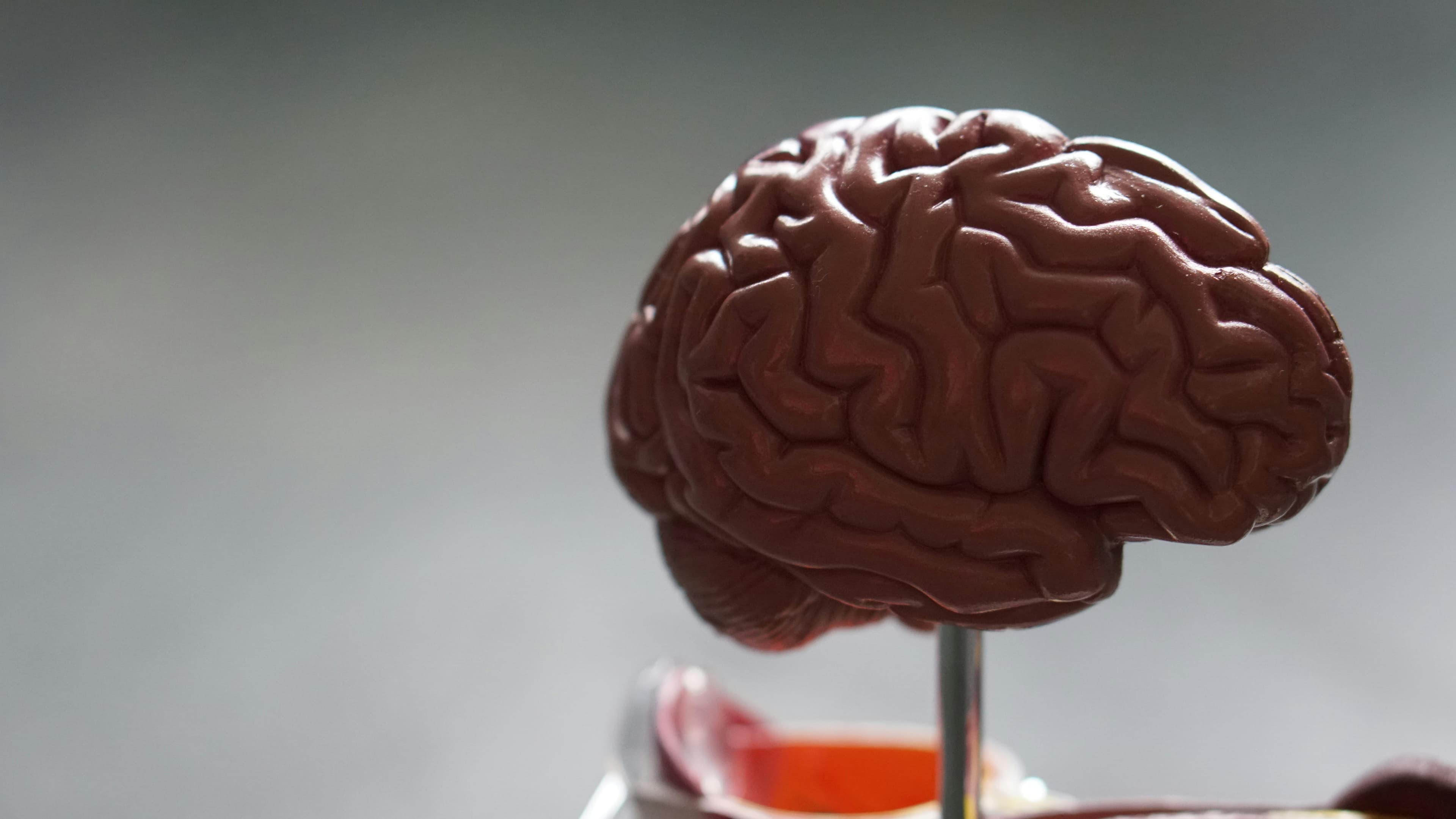
The Parkinson's therapy was developed using induced pluripotent stem cells, or iPSCs, a technology pioneered by Kyoto University's Shinya Yamanaka, who won the Nobel Prize in Physiology or Medicine in 2012 for the work. The treatment involves differentiating iPSCs into dopaminergic progenitor cells, the type of neuron that Parkinson's disease progressively destroys, and transplanting them into the putamen, a region of the brain involved in movement control. The goal is to replace lost dopamine-producing neurons rather than simply managing the symptoms of their absence, which is what existing drug treatments do.
The clinical trial that supported the approval was conducted at Kyoto University Hospital and enrolled seven patients with moderate-to-severe Parkinson's disease. At 24 months post-transplant, six of the seven showed measurable improvement in motor function scores, and PET imaging confirmed dopaminergic activity in the transplanted regions. None of the patients developed tumor formation, which had been the primary safety concern given that iPSCs share some properties with pluripotent cells that can form teratomas. The approval requires all treating centers to report outcomes data to Japan's Pharmaceuticals and Medical Devices Agency on a quarterly basis.
The heart failure treatment and what distinguishes it from existing options
The heart failure therapy is a separate product using a different cell type. It uses cardiomyocytes derived from iPSCs, which are the contracting muscle cells of the heart, delivered as a cell sheet directly onto the damaged area of the myocardium. The approach was developed by researchers at Osaka University. In a clinical study of ten patients with severe ischemic heart failure, left ventricular ejection fraction, the standard measure of how effectively the heart pumps blood, improved by an average of 5.6 percentage points at 52 weeks compared to baseline.
For context, a 5.6 percentage point improvement in ejection fraction is clinically meaningful in severe heart failure patients, where the baseline ejection fraction is often below 35 percent. Existing pharmacological treatments for heart failure, including ACE inhibitors, beta blockers, and SGLT2 inhibitors, can slow deterioration but cannot restore lost contractile function. A therapy that regenerates working heart muscle, even partially, addresses a gap that drugs cannot. The practical limitation is that the procedure requires open or minimally invasive cardiac surgery to deliver the cell sheet, which restricts who can safely receive it.
Japan's conditional approval framework and what it requires from developers
Japan introduced the Conditional and Time-Limited Approval system in 2014 specifically for regenerative medicine products. Under the framework, a therapy can be approved based on early-phase clinical data showing safety and preliminary efficacy, rather than waiting for the large randomized controlled trials that conventional drug approvals require. The approval is valid for up to seven years, during which the developer must continue collecting efficacy and safety data and submit it to regulators. If the data supports full efficacy at the end of that period, the product can seek standard approval. If it does not, the conditional approval expires.
Critics of the system, including researchers writing in the journals Nature Medicine and Cell Stem Cell over the past decade, have argued that approving therapies before robust efficacy data exists risks exposing patients to treatments that may not work, and that the conditional label can be misunderstood by patients as a full endorsement. Proponents argue that for conditions like Parkinson's and severe heart failure, where current treatment options are limited and the diseases are progressive, the risk-benefit calculation justifies earlier access. Japan's Pharmaceuticals and Medical Devices Agency has approved 14 regenerative medicine products under the conditional pathway since 2014, with two having their approvals lapse due to insufficient efficacy data at the review point.
What these approvals mean for patients outside Japan
Patients in the United States and Europe cannot currently access either therapy through their own healthcare systems. The FDA has not approved any iPSC-derived therapy for any indication as of March 2026. Both the Parkinson's and heart failure programs are expected to use Japan's post-approval outcome data as part of submissions to the FDA and European Medicines Agency, but those submissions are likely years away. The FDA's Regenerative Medicine Advanced Therapy designation, which was created in 2017, provides accelerated review pathways for cell therapies but still requires the same standard of efficacy evidence as conventional approvals.
Kyoto University Hospital is scheduled to begin treating the first cohort of approved Parkinson's patients under Japan's national health insurance system in the second quarter of 2026. The Osaka University heart failure program is expected to begin insurance-covered treatment at three designated cardiac centers in Japan by the third quarter of 2026. Researchers involved in both programs have said they plan to present updated outcome data at the International Society for Stem Cell Research annual meeting in June 2026.
AI Summary
Generate a summary with AI


