Escalating Tensions: Iran's Maritime Attacks and the Global Economic Fallout
The geopolitical landscape is increasingly volatile, with the US-Iran conflict intensifying and directly impacting global energy markets and international shipping. Recent events, particularly the attack on the US crude oil tanker 'Sea Seyshun,' highlight a dangerous escalation that has sent shockwaves through the maritime industry and global economies.
Escalation at Sea: The 'Sea Seyshun' Attack and Expanding Threats
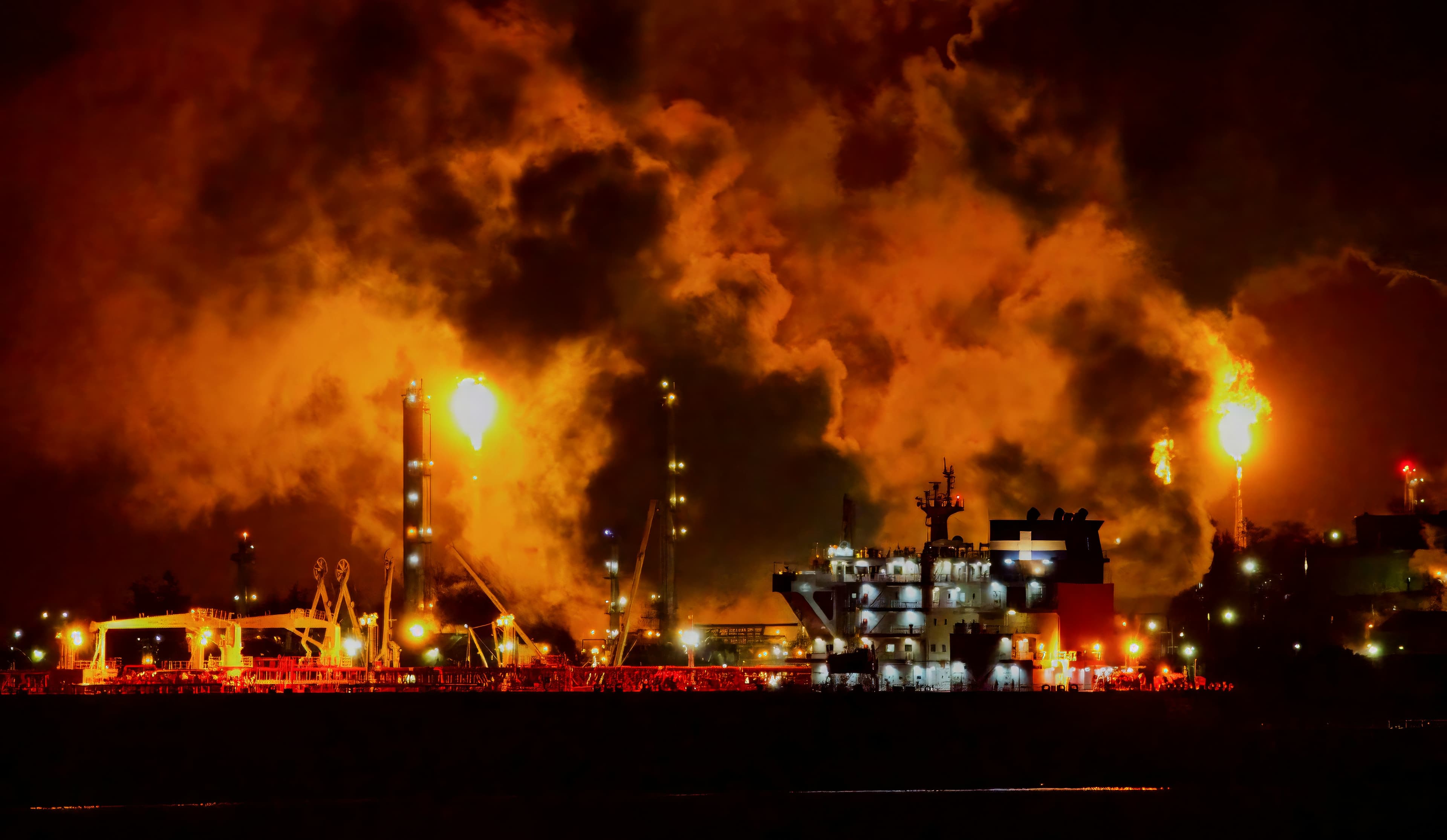
The attack on the US crude oil tanker 'Sea Seyshun' by an Iranian suicide boat has drawn significant international attention, especially after a video of the incident went viral. This particular strike resulted in the tragic death of an Indian national, underscoring the human cost of these escalating conflicts at sea. Iranian tactics have evolved, now employing not only drones but also explosive-laden boats designed to directly hit and destroy enemy ships. The geographical scope of these attacks is also expanding; while previously concentrated in the Strait of Hormuz, the entire Persian Gulf is now considered an unsafe zone for oil cargo ships, with the latest incident occurring near Iraq.
These acts of aggression are not isolated. Reports indicate that Iran has attacked multiple oil cargo ships, aiming to create a climate of fear and uncertainty in a region vital for global energy supplies. The threat extends to innocent seafarers who are simply working to earn a living, caught in the crossfire of a larger geopolitical struggle.
The Economic Weapon: Oil Prices and Global Instability
Iran's stated objective in these maritime attacks is to drive crude oil prices to an unprecedented $200 per barrel. This aggressive strategy leverages the region's critical role in global oil supply. Already, oil prices have surged past $100 per barrel since the conflict began, with some reports indicating prices around $90-$95 per barrel recently. Such a drastic increase would have severe global economic repercussions, potentially triggering a massive sell-off across global stock markets and leading to an economic crisis.
In response to these soaring prices, G7 nations have begun releasing oil from their strategic reserves in an attempt to stabilize the market. For instance, the US ordered the release of 172 million barrels from its Strategic Petroleum Reserve. However, Iran's Revolutionary Guard maintains that these artificial measures will not prevent oil prices from reaching their target, asserting their intent to continue destabilizing the region to achieve their economic aims.
Geopolitical Chessboard and Diplomatic Standoff
The conflict reveals a complex geopolitical dynamic. US President Donald Trump, despite the ongoing escalation, has publicly claimed victory against Iran, a narrative seemingly aimed at his domestic voter base. He even highlighted his role in naming "Operation Epic Fury." This rhetoric stands in stark contrast to the reality on the ground, where the US appears to lack a clear exit strategy, finding itself in a protracted engagement.
Meanwhile, Iran has laid out three conditions for ending the war: recognition of its legitimate rights, payment of reparations for damages incurred, and international guarantees against future aggressions from the US and Israel. These demands, which include billions of dollars in payments and written assurances, are unlikely to be accepted by either the US or Israel, suggesting a prolonged conflict.
A Regional Quagmire with Global Repercussions
India finds itself in a precarious position, having engaged with Iran's Foreign Minister, who assured safe passage for Indian ships through the Strait of Hormuz. However, Iran explicitly stated its intent to attack any vessel benefiting the US, Europe, or Israel. While India has condemned Iran's attacks on other Middle Eastern nations, it has refrained from condemning US or Israeli aggression.
The involvement of regional and global powers further complicates the situation. Pakistan, with its security pact with Saudi Arabia, has warned of potential action against Iran if Saudi security is threatened. Russia, on the other hand, is providing military aid to Iran, reciprocating Iran's support in the Ukraine war. This web of alliances and antagonisms suggests that the conflict is far from a swift resolution.
Limitations and Open Questions
The immediate challenge for the US is deciding whether to commit ground troops, a move that would entail immense financial and human costs. The effectiveness of releasing strategic oil reserves in the long term remains to be seen, especially if Iran continues its aggressive stance and successfully disrupts more shipping. The international community grapples with finding a diplomatic off-ramp, but Iran's firm demands and the US's public posturing make such a path difficult.
The US-Iran conflict, characterized by escalating maritime attacks and a determined Iranian effort to weaponize oil prices, presents a grave threat to global stability. The ongoing standoff, marked by conflicting narratives and seemingly irreconcilable demands, points towards a prolonged period of uncertainty with far-reaching economic and geopolitical consequences that extend well beyond the Middle East.
AI Summary
Generate a summary with AI


