India's Humanitarian Stance: Sheltering Iranian Warships Amidst Geopolitical Tensions
Recently, Iran extended its gratitude to India for providing crucial humanitarian support to its warship, IRIS Lavan, which remains safely docked in Kochi. This act of assistance comes in the wake of significant geopolitical turbulence, including the sinking of another Iranian warship, IRIS Dena, by the United States in the Indian Ocean. India's actions underscore its commitment to humanitarian principles and its evolving role as a guardian in the region, drawing both scrutiny and praise on the global stage.
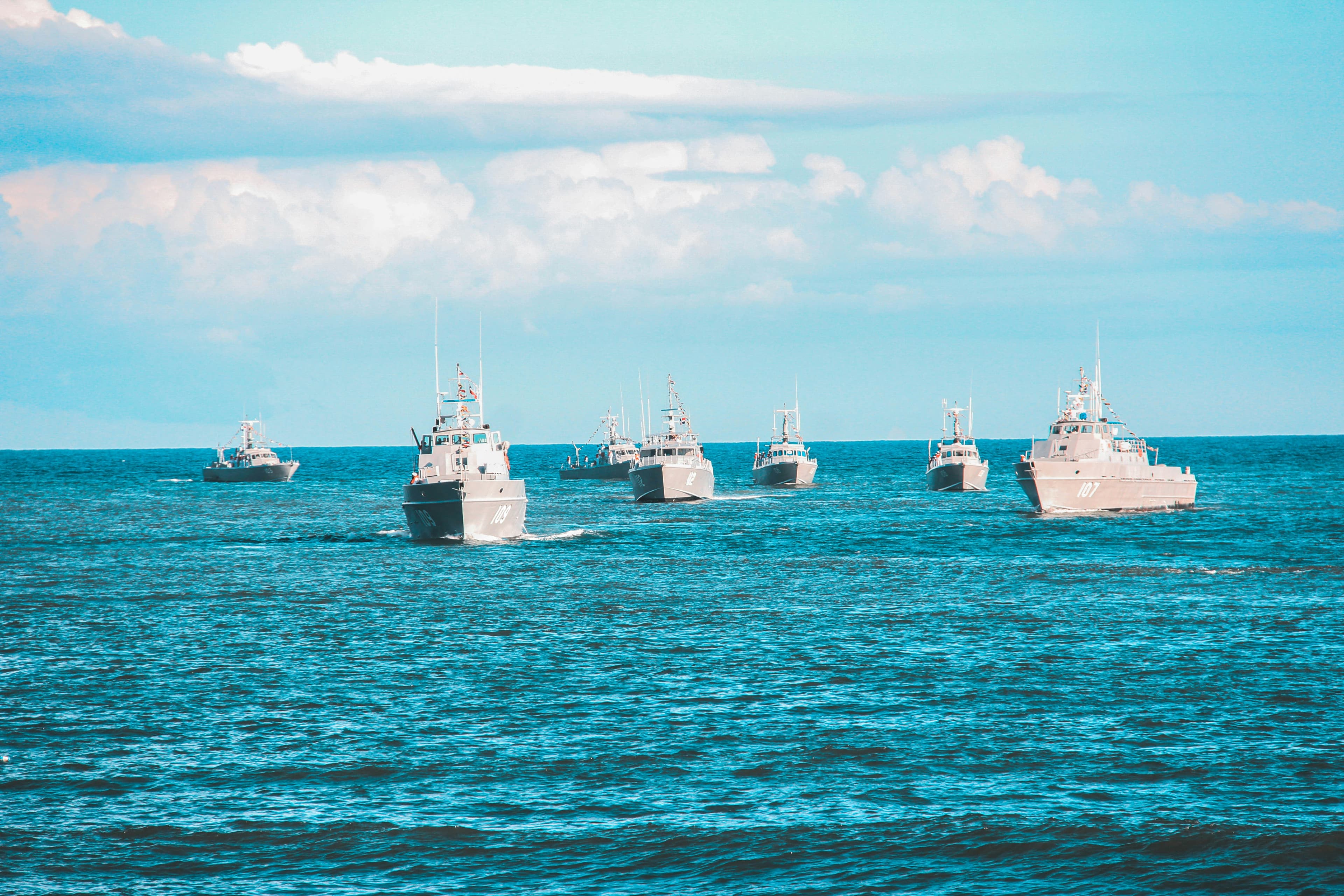
Background to a Naval Incident
The narrative began unfolding when the United States sank the Iranian warship IRIS Dena near the coast of Sri Lanka, an event that tragically resulted in the deaths of 87 crew members. This incident ignited discussions and criticisms, particularly from some Middle Eastern news outlets like Al Jazeera, which targeted the Indian government. These outlets questioned India's claim of being the 'Guardian of the Indian Ocean,' suggesting that its inability to prevent the sinking exposed a significant vulnerability in its regional influence. The criticism posited that if India truly held such a role, it should have intervened in the conflict between the US and Iran.
India's Humanitarian Intervention
Prior to its sinking, India had offered shelter to IRIS Dena in Visakhapatnam, where the ship had participated in a naval review and exercise called Milan. However, IRIS Dena declined the offer, choosing to navigate international waters, which ultimately led to its demise. In contrast, IRIS Lavan accepted India's humanitarian gesture and remains secure in Kochi. India's External Affairs Minister, Dr. S. Jaishankar, defended the decision, stating, "We did the right thing." He emphasized that these Iranian warships were not actively involved in any conflict or attacking US assets when they sought refuge, making the provision of shelter a morally sound and humanitarian act. Young cadets from IRIS Lavan have since disembarked and are being accommodated in an Indian naval facility.
Defining the 'Guardian' Role
India's definition of being a 'Guardian of the Indian Ocean' centers on humanitarian assistance and disaster relief, rather than military intervention in conflicts between other nations. This means providing aid in situations of distress, such as fires or other calamities, and offering shelter to those in need, provided they are not actively engaged in hostilities. It does not imply taking sides in bilateral disputes or preventing two sovereign nations from engaging in conflict. This nuanced interpretation was crucial in understanding India's response to the Iranian warships.
International Reception and Implications
Despite initial criticisms from some quarters, India's humanitarian stance garnered tacit approval from key international players. Notably, neither the Israeli government nor the United States issued any statements against India's decision to shelter the Iranian warship. This lack of opposition suggests an understanding and acceptance of India's actions based on humanitarian grounds. The incident further solidifies India's image as a responsible and principled actor in the Indian Ocean, committed to international law and humanitarian values, even amidst complex geopolitical dynamics.
Navigating a Complex Maritime Landscape
The events surrounding IRIS Dena and IRIS Lavan highlight the intricate challenges of maintaining peace and stability in a strategically vital region like the Indian Ocean. India's approach demonstrates a balanced foreign policy, prioritizing human life and international humanitarian norms while navigating the sensitive relationships between global powers. The decision to offer shelter was made as early as March 1st, reflecting a proactive stance to provide sanctuary to vessels far from their home country during a period of heightened tensions. This commitment reinforces the notion that India's guardianship extends to ensuring safety and assistance where it can, without necessarily embroiling itself in direct conflicts.
India's humanitarian support to the Iranian warship IRIS Lavan, and its earlier offer to IRIS Dena, are clear affirmations of its role as a principled guardian in the Indian Ocean. This is not about military might or political alignment, but about upholding humanity in times of crisis. It's a testament to a foreign policy that values human life and international cooperation above the fray of international conflicts, reinforcing India's standing as a reliable and compassionate global actor.
AI Summary
Generate a summary with AI


