Trinamool Congress Internal Dispute Deepens Amid Political Tensions
Internal disagreements within the Trinamool Congress have moved into public view, drawing attention from political observers across India. Statements made by senior leaders regarding organizational matters have fueled debate about discipline, leadership, and decision-making inside the party. While political parties often experience internal disagreements, public exchanges between prominent figures tend to attract wider scrutiny because they can influence both public perception and party strategy.
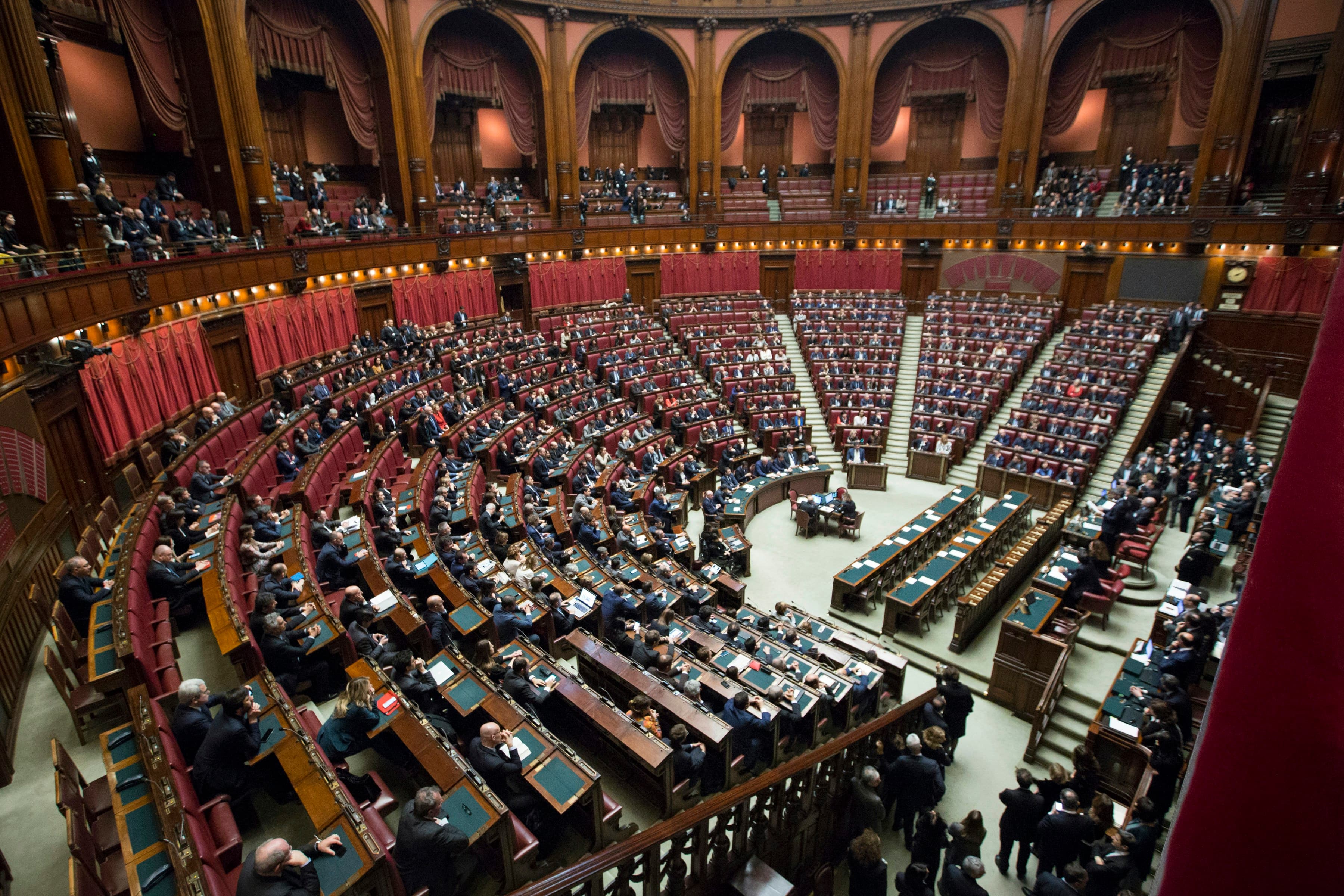
Growing disagreements within the party
Recent remarks from party leaders have exposed differences over organizational management and political priorities. Such disputes are not uncommon in large political organizations where regional interests, electoral calculations, and leadership ambitions often compete for attention. What has made the current situation notable is the public nature of the criticism. Instead of remaining confined to internal meetings, disagreements have entered the media cycle and become part of the broader political conversation.
Why the issue matters in West Bengal
The Trinamool Congress remains the governing force in West Bengal and plays a visible role in national opposition politics. Any sign of internal friction naturally attracts attention because it raises questions about party cohesion ahead of future electoral contests. Political rivals have pointed to the dispute as evidence of organizational strain, while party leaders have sought to project confidence and maintain unity. The balance between these competing narratives will influence how voters interpret the developments.
Impact on party organization
Internal disputes can affect how a party communicates with workers and supporters. When senior leaders exchange criticism, local units often wait for clarity before taking positions on contentious issues. At the same time, party leadership faces pressure to resolve disagreements quickly so that political messaging remains focused on governance and election preparation. A prolonged dispute can divert attention from policy matters and campaign planning.
National attention and political calculations
The developments have attracted interest beyond West Bengal because the Trinamool Congress has sought a larger role in national politics in recent years. Political parties across India are watching closely to see whether the disagreement remains limited to organizational questions or develops into a broader contest over influence within the party. Such situations often evolve through negotiations, meetings, and public statements rather than sudden dramatic decisions.
What comes next
The coming weeks are likely to bring further discussions among senior leaders as the party attempts to address concerns and restore a unified message. Much will depend on whether internal communication channels can ease tensions and prevent further public exchanges. For now, the dispute remains a political story rather than a structural crisis. Future party meetings and official statements will provide the clearest indication of whether the disagreement is being resolved or becoming a larger organizational challenge.
AI Summary
Generate a summary with AI
