India food delivery and restaurant prices set to rise after fuel cost jump
Eating out in India is about to get more expensive. Restaurants, cloud kitchens, and food delivery companies are preparing to raise prices after another spike in fuel and transportation costs pushed operating expenses higher. Several restaurant operators said menu prices could increase between 5 and 10 percent in the coming days, especially in large cities where delivery traffic is heavy and ingredient transport depends on daily fuel movement.
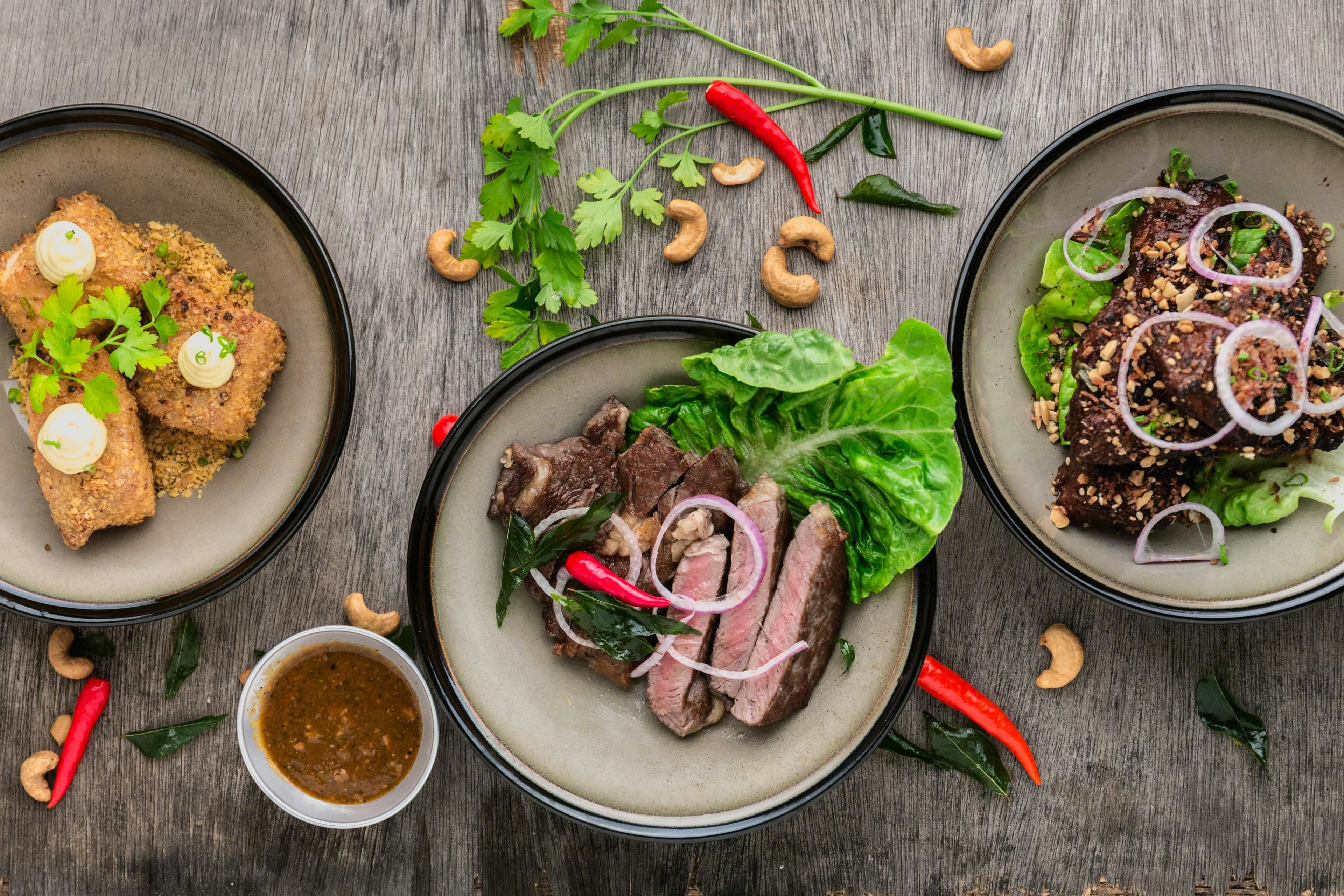
For many customers, the increase may first appear through delivery charges, packaging fees, or small menu revisions rather than dramatic price jumps. A meal that cost ₹300 last month could soon move closer to ₹330 or ₹340 once taxes and delivery costs are added. Families that order food multiple times a week will notice the difference quickly.
Fuel costs are affecting the full supply chain
Restaurants are dealing with pressure from several directions at once. Delivery riders need more fuel. Trucks carrying vegetables, cooking oil, dairy products, and packaged ingredients cost more to operate. Cold storage and warehouse movement also became costlier over the last few weeks. Restaurant owners say they absorbed earlier increases for months, but margins are now too thin to continue without changing prices.
Independent restaurants are in a tougher spot than large chains. Big brands usually negotiate long-term supply contracts and have stronger purchasing power. Smaller outlets often buy ingredients daily from local markets, which means price changes hit them almost immediately. In cities such as Bengaluru, Mumbai, and Delhi, delivery-heavy restaurants say weekend orders remain strong, but profits per order have dropped.
Customers may change ordering habits
Price increases in food delivery tend to change consumer behavior faster than dine-in pricing. Many customers already reduced impulse orders after platform fees increased last year. If delivery charges rise again, some users may switch to direct restaurant pickup or limit orders to weekends. Budget meal combos and subscription discounts are likely to become more common as platforms try to hold on to frequent users.
Restaurant owners are also cautious about pushing prices too far. Competition remains intense, especially in the quick-service and cloud kitchen market. A sharp increase could send customers to cheaper alternatives nearby. Because of that, many businesses are making smaller changes across multiple items instead of increasing prices on a single popular dish.
Food inflation is becoming more visible in daily life
India has dealt with food inflation in waves over the past two years, but restaurant pricing often lags behind grocery inflation. Consumers usually notice rising vegetable prices at local markets first. Restaurant bills take longer to change because businesses try to avoid losing regular customers. This time, transport expenses are forcing quicker decisions.
Delivery companies are expected to monitor customer response closely during the next few weeks. If order volume falls sharply, platforms may return with temporary discounts or lower delivery fees during off-peak hours. For now, though, restaurants across the country are preparing customers for higher bills as fuel prices continue to squeeze everyday operations.
AI Summary
Generate a summary with AI

