Fiber-Maxxing Trend Reshaping Restaurant Menus and Consumer Eating Habits
Gut health has been a slow-building obsession in wellness culture for years, but something shifted recently. What used to be niche conversation — probiotics, microbiome diversity, fermented foods — has collided with a newer, blunter social media movement: fibermaxxing. The premise is simple and not particularly glamorous. Eat significantly more fiber than you probably do now. The restaurant industry is paying attention.
What Fibermaxxing Actually Means in Practice
The average American consumes somewhere around 15 grams of dietary fiber per day — well below the recommended 25 to 38 grams depending on age and sex. Fibermaxxing, as the online community defines it, involves deliberately and sometimes aggressively pushing that number higher, often tracking intake the way fitness-focused people track protein. Legumes, whole grains, vegetables, seeds — the foods involved are not exotic, but the intentionality is new.
The trend has roots in genuine nutritional science. High fiber intake is associated with improved digestive health, better blood sugar regulation, lower cholesterol, and a reduced risk of certain chronic diseases. None of that is new information. What is new is a generation of consumers who found this information on social media, believed it, and started structuring their eating habits around it — including what they order when they eat out.
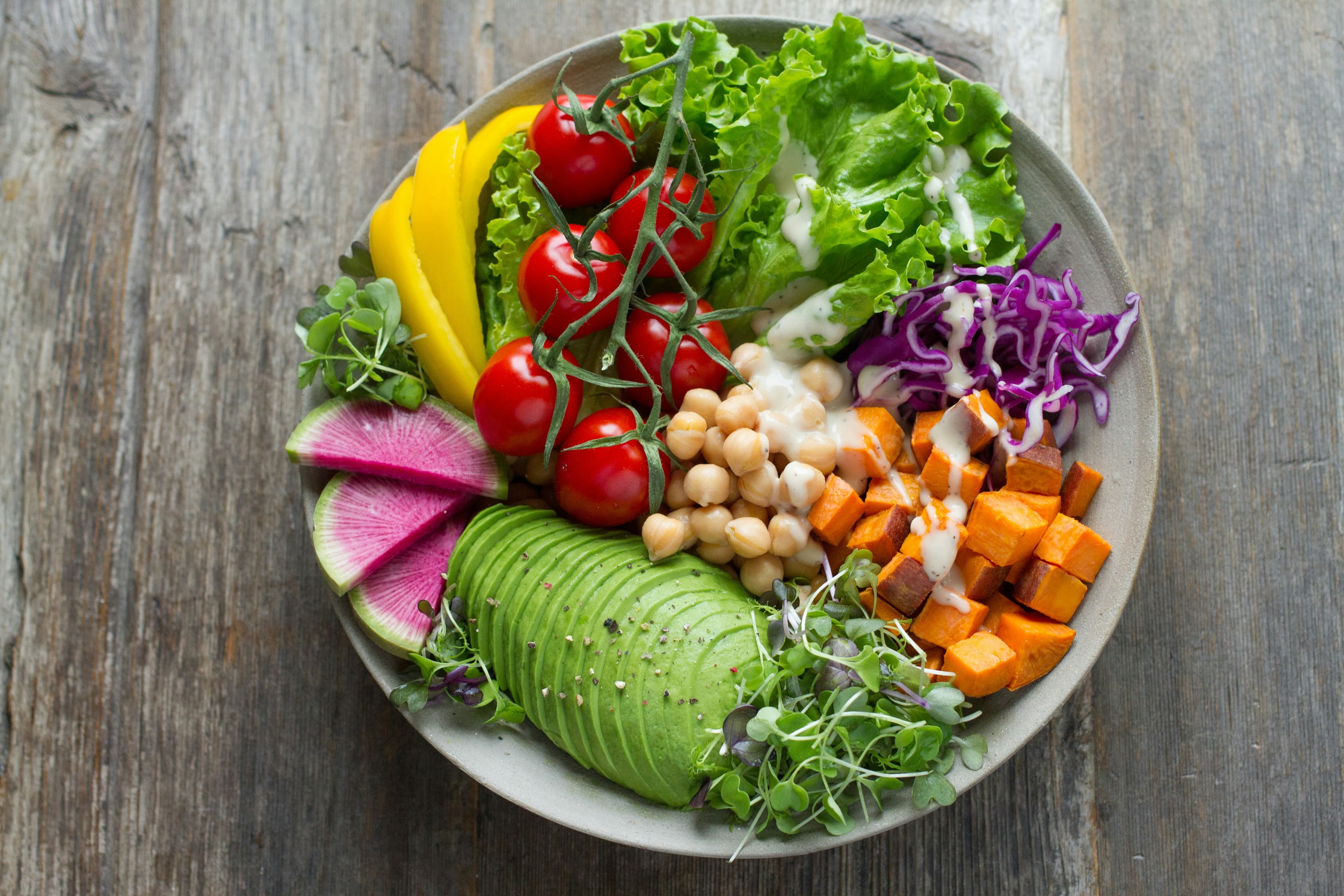
How Restaurants Are Responding to the Shift
Menu development cycles in the restaurant industry are slow by nature — concept testing, sourcing, training, rollout. But operators across segments are increasingly factoring fiber content into how they build new dishes, not just as a nutritional checkbox but as an actual selling point. Lentil-based proteins, grain bowls heavy on farro and barley, dishes built around white beans or chickpeas — these are showing up at fast-casual counters and sit-down restaurants alike with more frequency than they were two years ago.
Some chains are going further, making fiber content explicit on menus or in app descriptions the way they might call out protein grams. That transparency signals something meaningful: the customer asking about fiber is now considered a customer worth designing for, not an edge case to accommodate quietly.
Social Media as the Engine of Dietary Trends
It would be hard to overstate how much TikTok and adjacent platforms have changed the speed at which food and nutrition trends move. Fibermaxxing has accumulated hundreds of millions of views across content showing high-fiber meal prep, gut health routines, and before-and-after accounts of people who dramatically increased their fiber intake. The content is accessible, the results people report are relatable, and the barrier to participating is low — you don't need supplements or special equipment, just different grocery choices.
For restaurant operators, this creates an unusual dynamic. A trend that originates on social media and influences home cooking behavior eventually shows up as a consumer expectation at the restaurant level. People who have spent months eating more lentils and chia seeds at home start looking for similar options when they eat out. If the menu doesn't reflect that, they notice.
The Challenge of Making High-Fiber Food Actually Appealing
Here is where the trend meets its real test. Fiber-rich food has a reputation problem that even genuine enthusiasm can't fully paper over. Legumes and whole grains take skill to prepare in ways that feel craveable rather than virtuous. A lentil dish that tastes like a health obligation is not going to build repeat orders, regardless of how many grams of fiber it contains. The restaurants doing this well are the ones treating high-fiber ingredients as a platform for actual flavor development, not just a nutritional credential.
Fast-casual Mediterranean and Middle Eastern concepts have a natural advantage here — their traditional flavor profiles already center legumes, grains, and vegetables in ways that taste intentional rather than compensatory. For American casual dining chains trying to retrofit fiber content onto existing menus, the challenge is harder. But the direction of travel is clear. Fibermaxxing is not a week-long viral moment. It reflects a durable shift in how a meaningful segment of consumers think about what food is supposed to do for them — and restaurants that understand that early will be better positioned than those who catch up late.
AI Summary
Generate a summary with AI