India's response to Pakistan's Kabul hospital airstrike
When a military strike hits a hospital, it shocks people even in regions used to conflict. The recent attack on the Umid Addiction Treatment Hospital in Kabul did exactly that, leaving hundreds dead and injured in a place that was supposed to help patients rebuild their lives. Images from the site show collapsed buildings, burned interiors, and relatives standing over rows of bodies covered in sheets. The timing during Ramadan has made the anger even sharper among Afghans who expected at least some restraint in a month associated with restraint and self-control. For many in Kabul, this feels less like a normal wartime incident and more like a direct assault on the idea that medical spaces should remain off-limits.
India reacted with a rare level of directness. The Ministry of External Affairs called the airstrike barbaric and condemned it as a massacre of Afghan civilians. The statement stressed that a hospital treating people for addiction cannot be twisted into a legitimate target under any legal or moral standard. New Delhi framed the attack as an assault on Afghanistan’s sovereignty and as a threat to wider regional stability. The tone of the message made it clear that this was not just another press note drafted to tick a diplomatic box.
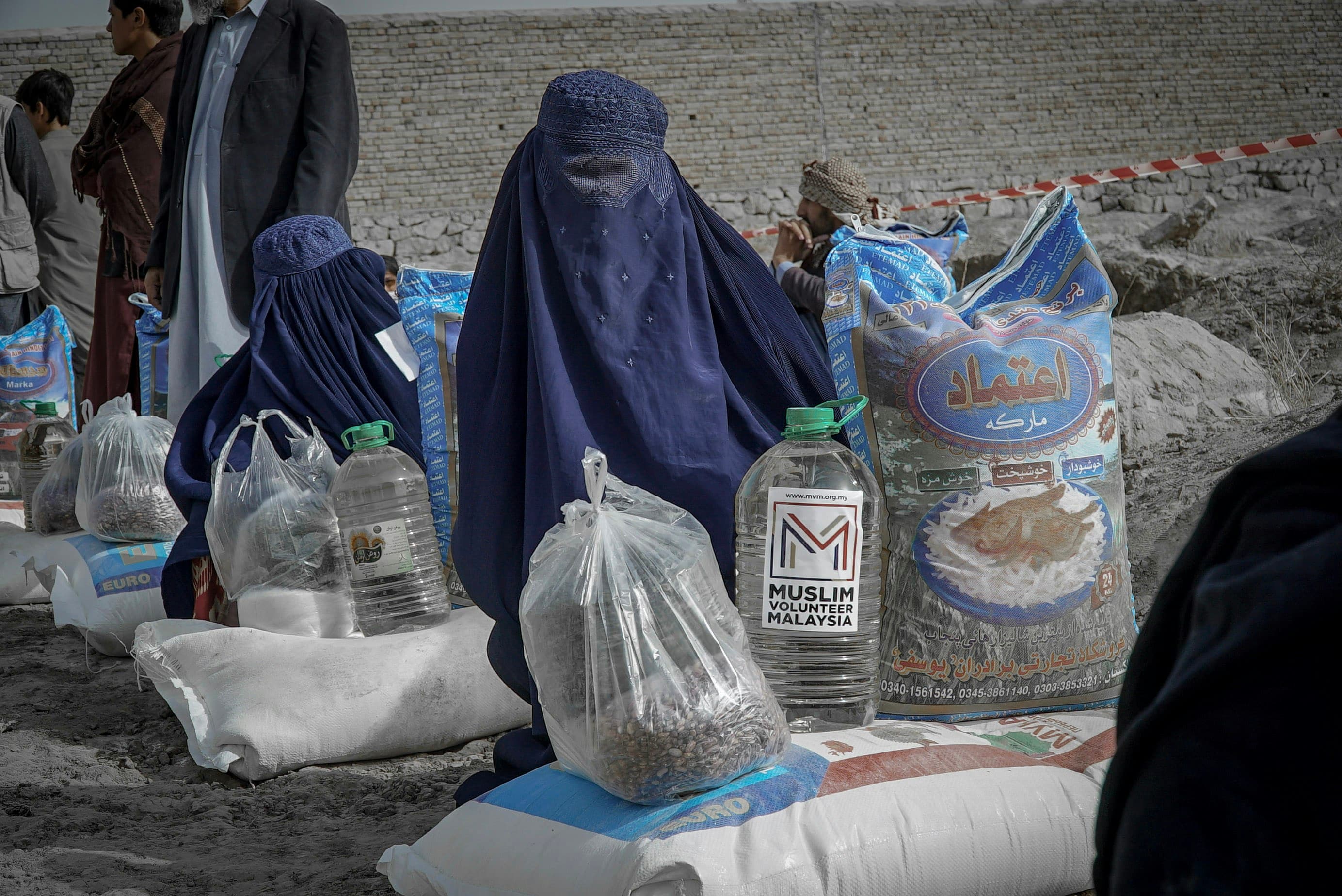
What happened at the Kabul hospital
The Umid Addiction Treatment Hospital in Kabul was a large facility with capacity in the thousands and a clear civilian role. It focused on treating drug addiction, an issue that has worsened in Afghanistan after years of war, poverty, and disrupted livelihoods. Witness accounts and local officials point to an airstrike that hit the main complex and surrounding structures, causing an enormous number of casualties in a very short span of time. Initial figures spoke of more than 400 people killed, and many observers expect that number to climb as missing patients and staff are traced. In a city already scarred by repeated bombings, the idea that a medical centre became a target has deepened a sense of vulnerability.
Pakistan has tried to deflect blame. Officials and sympathetic commentators have hinted that the hospital area might have been used to store ammunition or weapons, pointing to secondary blasts visible in videos as supposed proof. So far, no independent investigation has confirmed that claim or produced verifiable evidence of hidden stockpiles inside the facility. Afghan authorities insist that the site was a functioning hospital and that any attempt to rebrand it as a military base is an excuse put forward after the fact. In the absence of credible supporting material, many in the region see the explanations as part of a wider information strategy rather than a serious defence.
For families of the victims, these arguments sound detached from their reality. They remember bringing relatives there to get off drugs, not to join a militia. Many had hoped that structured treatment in a hospital would give their sons and daughters a chance to avoid crime and street violence. Instead, they are now collecting remains and trying to identify loved ones from personal items, a scene that Afghans have watched replayed far too often in different parts of their country. The hospital, once seen as a place of recovery, has turned into a symbol of how easily civilian spaces can be pulled into state-level disputes.
India’s statement and its message
India’s official reaction stands out because of its direct wording. The government did not restrict itself to general concern about civilian casualties. Instead, it bluntly called the strike barbaric and described it as a massacre carried out against unarmed patients and staff. The statement also stressed that no interpretation of religion, law, or security doctrine can justify the bombing of a hospital. That line matters because it rejects in advance any attempt to wrap the attack in legal jargon or to frame it as an unfortunate but acceptable part of cross-border operations.
New Delhi also urged the international community to hold Pakistan accountable through diplomatic pressure and global forums. In practice, turning that demand into concrete action is difficult. Many Western governments are locked into their own security priorities, from Ukraine to tensions in West Asia, and attention spans across major capitals are stretched thin. Yet India’s statement tries to remind them that ignoring Afghanistan once again will only encourage more risky behaviour by states that feel shielded from outside scrutiny. For Kabul, even a few strong voices abroad can help keep civilian suffering in the news cycle instead of letting it disappear into background noise.
The choice of language also fits India’s long-running effort to present itself as a partner of the Afghan people. Over the past two decades, India has funded roads, schools, and public buildings in Afghanistan, and those projects helped build a sense of goodwill among ordinary Afghans. By condemning the hospital strike in plain words, New Delhi is trying to signal that it has not walked away from that relationship even after political changes in Kabul. It also sends a message to Pakistan that certain lines, especially around medical and civilian spaces, will not be quietly accepted.
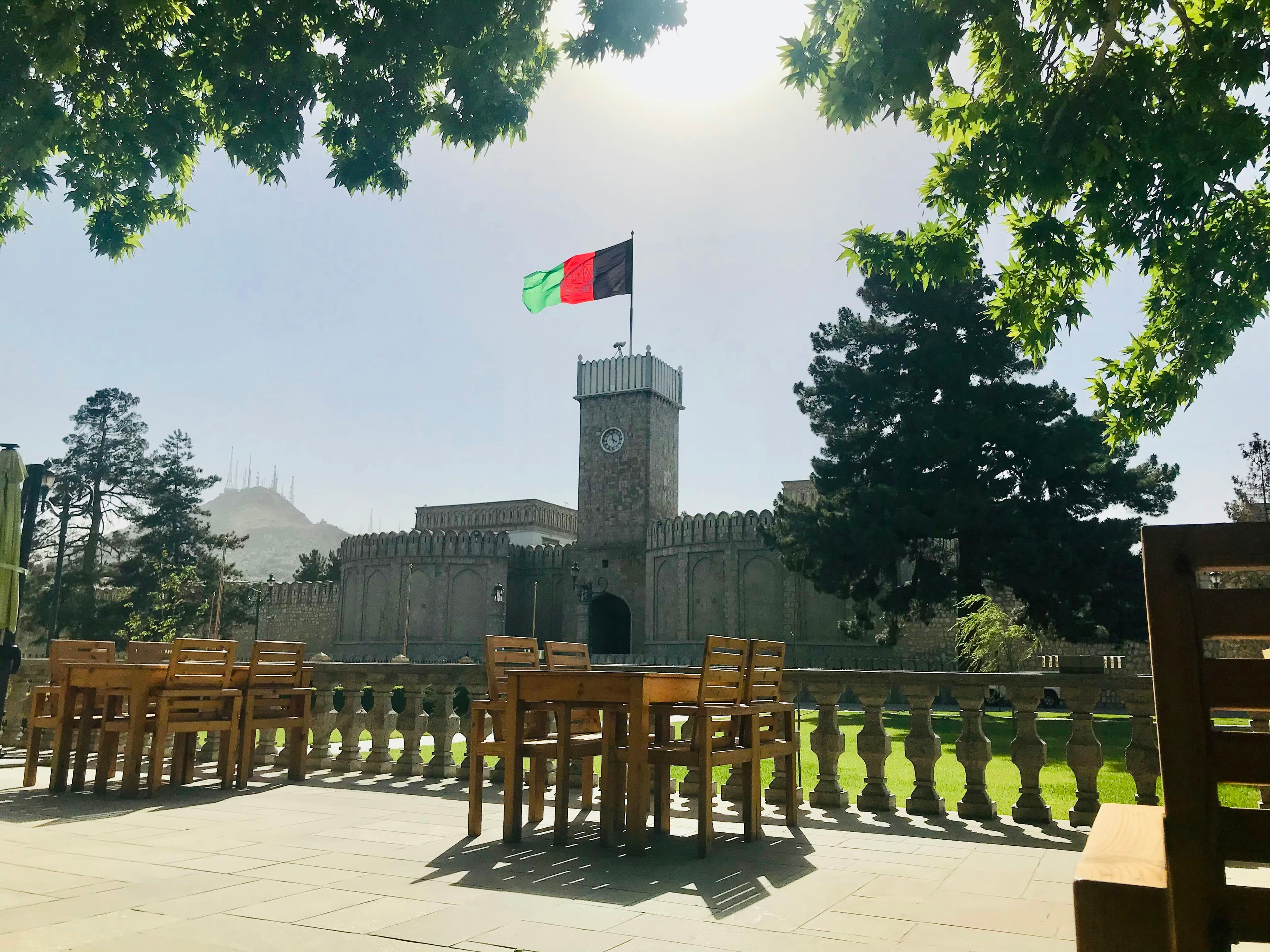
Bagram airbase and pressure on Afghanistan
The Kabul hospital attack is part of a wider pattern of strikes and pressure. Pakistan has targeted several sites inside Afghanistan, and reports have pointed to damage at Bagram airbase, a massive facility north of Kabul. Bagram played a central role during the United States presence in Afghanistan, and its future still carries strategic weight for outside powers. Recent political statements, including comments attributed to Donald Trump, have suggested that there is interest in seeing the base handed back to American control, with warnings of consequences if that does not happen. Against that background, any attack near or on Bagram raises questions that go beyond a simple border clash.
From Kabul’s perspective, repeated strikes on its territory look like an attempt to test the limits of its patience and capacity. The Afghan government claims it has managed to intercept or blunt some of the attacks, but damage on the ground shows that not everything can be stopped. Pakistan appears willing to keep up air operations as long as it feels it faces minimal diplomatic cost. For ordinary Afghans, the worry is that these hits on infrastructure could be a prelude to something more intense. The closer bombs fall to vital facilities, the more people start to wonder if a larger confrontation is being prepared.
If Pakistan ever decides to complement airstrikes with ground incursions, the risk to civilians will jump sharply. Afghan forces may not match Pakistan in air power, but they have fighters who know the terrain and are capable of causing serious trouble for any troops that cross the border. That kind of escalation would be disastrous for towns and villages caught in between, with roads, markets, and public buildings turning into possible targets. For now, both sides remain in a tense pattern of strikes, threats, and statements, yet the hospital attack shows how quickly this pattern can produce extreme civilian harm even before any ground movement begins.
Information battles and voices from Afghanistan
Modern conflicts are fought on screens as much as on the ground. After the Kabul strike, Pakistani and pro‑Pakistan accounts circulated video clips with their own interpretation of flashes and explosions. Afghan users, journalists, and activists pushed back, pointing to the hospital’s public role and calling for a proper investigation rather than quick social media claims. This tug-of-war over facts matters because public opinion and foreign policy debates are heavily shaped by what people see and share online. When one side manages to control the narrative, it becomes easier to blur moral and legal responsibility.
The reaction from Afghan public figures has been unusually blunt. Fast bowler Naveen‑ul‑Haq openly compared Pakistan’s actions to those of Israel, a comparison that many international commentators would hesitate to make in such direct terms. The Afghanistan Cricket Board issued a separate statement, condemned the attack, and shared images of the destruction while praying for the victims. For a national sports body that usually sticks to tournament schedules and team news, this is a clear sign that the event has shaken people far beyond political circles. It shows how sport can act as a channel for wider public emotion when traditional institutions are seen as weak or distant.
The Taliban government has also promised a response but speaks in language that points more toward retaliation than diplomacy. Officials have said they will answer in a way that Pakistan understands, a phrase that many Afghans interpret as a warning of future attacks when an opportunity arises. Because their air capabilities are limited, Afghan forces are more likely to wait for moments when Pakistani assets appear exposed. That approach does nothing to ease civilian fears: people living near the border or around strategic sites worry that they could be caught in cycles of revenge that feel far removed from their daily struggles with jobs, food, and basic services.
Why India’s stance matters for Afghans
India is not sending jets or troops into this confrontation, but its words still carry weight in Afghanistan. Over the years, many Afghans have viewed India as a partner that invested in civilian projects rather than armed factions. When New Delhi speaks clearly about the Kabul hospital attack and calls it a massacre, it reassures people who fear that their suffering is being ignored by larger powers. It also signals that at least one regional player is willing to challenge Pakistan’s version of events in public, not just in closed diplomatic rooms.
The problem for Afghanistan is that India cannot, on its own, change the behaviour of a neighbour that feels relatively secure from external punishment. Western governments are occupied with multiple crises and have limited appetite for another difficult file. China has its own calculations and has chosen to stay quiet for now. That leaves Kabul relying on a small group of states and public voices willing to speak up when incidents like the hospital strike occur. For the families who lost loved ones in Umid Hospital, what matters most is not the wording of any statement, but whether the world treats their loss as a real event with real consequences, rather than just another tragic headline that fades in a day.
AI Summary
Key insights from this article


