Goldman Sachs warns oil prices could stay above $100 for years due to Iran war
Goldman Sachs has told clients that crude oil prices, which crossed $100 per barrel after the US-Iran conflict disrupted Strait of Hormuz shipping, may not come back down for years. That is not a short-term trading call. It is a structural warning about what a prolonged Middle East war does to global energy supply, and the implications run well beyond what consumers pay at the pump.
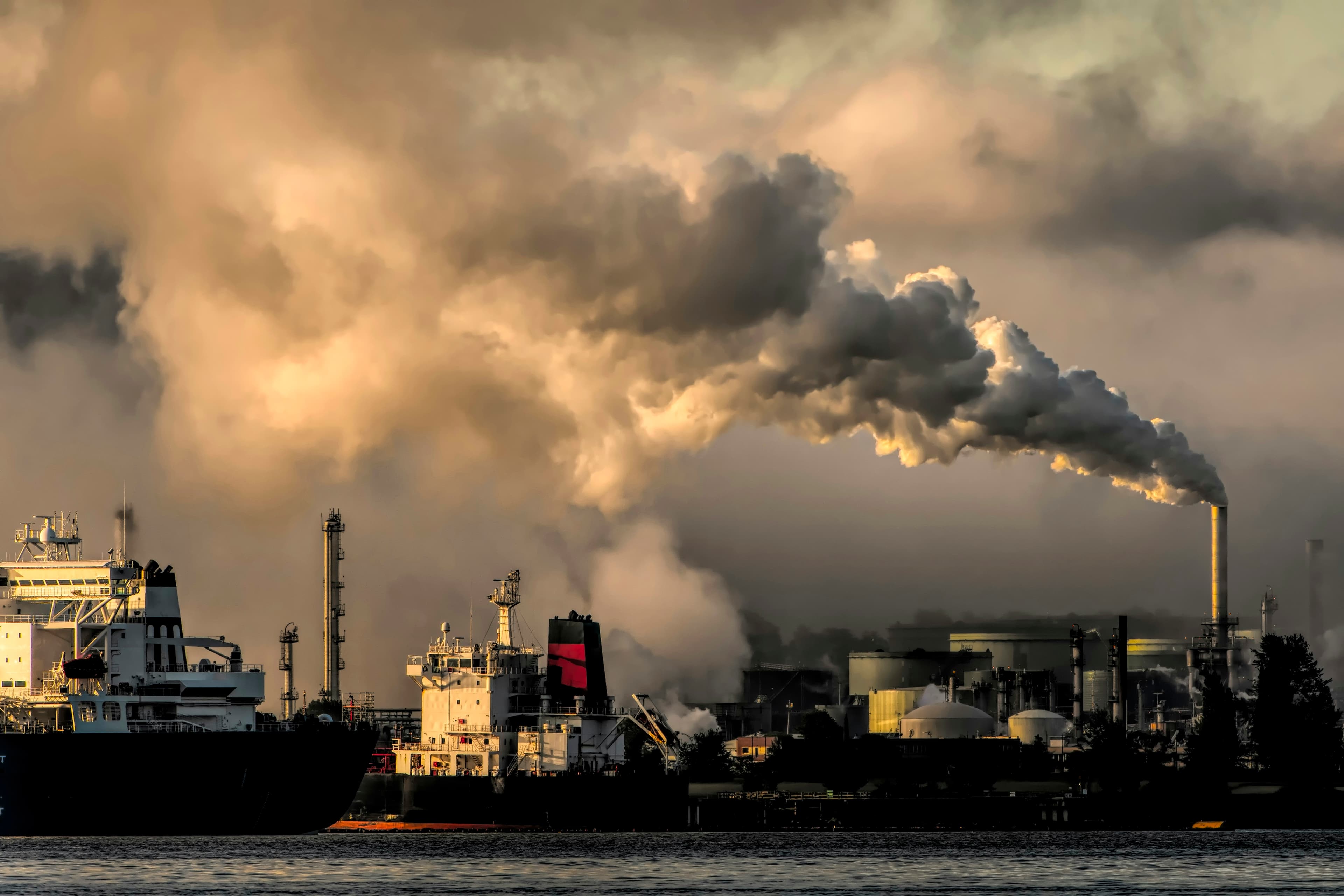
The Strait of Hormuz is the single most important chokepoint in the global oil supply chain. Approximately 21 million barrels of crude oil pass through it every day, accounting for roughly 20 percent of global oil consumption. When traffic through the strait slows or stops, the rest of the world has to find oil elsewhere, or go without. Right now, it is slowing, and the market is pricing that disruption into every barrel.
What Goldman's analysts are actually saying
Goldman's commodities team, led by Daan Struyven, published a note projecting that Brent crude could average between $105 and $120 per barrel through 2026 if the conflict continues at its current intensity. The bank's base case assumes partial Hormuz disruption rather than a complete closure, which would push prices even higher. Goldman previously called a similar super-cycle after Russia's invasion of Ukraine in 2022, and that prediction held for several months before OPEC production increases and demand destruction brought prices down. This time, the supply-side constraints are more geographically concentrated and harder to offset.
The key variable Goldman cannot model cleanly is the conflict duration. An air campaign that ends in weeks produces a different price trajectory than one that drags on for months or escalates into a ground operation. The bank's worst-case scenario, a full Hormuz closure lasting 60 or more days, projects Brent reaching $150 per barrel, a level last seen briefly during the post-COVID supply crunch in 2022.
How the Strait of Hormuz disruption works in practice
Iran has not formally closed the strait, but the combination of heightened military activity, drone and missile threats to commercial shipping, and insurance cost spikes has already reduced tanker traffic significantly. Lloyd's of London war risk insurance premiums for vessels transiting the Gulf have increased by approximately 400 percent since the conflict began, according to shipping industry data published by the Baltic Exchange. At those rates, many smaller operators are rerouting around the Cape of Good Hope, adding two to three weeks to delivery times and substantial fuel costs.
The countries most directly affected by Hormuz disruption are those in Asia that rely heavily on Gulf crude. Japan imports roughly 90 percent of its oil from the Middle East, and South Korea imports about 70 percent. Both countries have strategic petroleum reserves that can cover roughly 90 days of consumption, but a sustained disruption would exhaust those reserves and force them into spot market purchases at elevated prices.
Central banks are already reacting
The Reserve Bank of Australia raised its benchmark interest rate by 25 basis points in an emergency meeting, citing energy price inflation as a primary driver. Australia is a net energy exporter, but its domestic fuel prices are set by global markets, and the pass-through from oil to consumer prices is fast and broad. Petrol prices in major Australian cities hit AUD 2.40 per liter in the week following the rate decision, the highest level in the country's recorded history.
The European Central Bank is in a harder position. Europe has been managing inflation that was already above target before the Iran conflict started, and energy price spikes hit European consumers particularly hard given the continent's dependence on imported oil and gas. ECB President Christine Lagarde said in a press conference that the bank was monitoring energy market developments closely and had not ruled out an off-cycle rate adjustment if inflation expectations became unanchored.
OPEC's limited ability to compensate
The standard market response to a supply shock is for OPEC producers with spare capacity to increase output. Saudi Arabia has approximately 2 million barrels per day of spare production capacity that it could theoretically bring online. The problem is that a significant portion of Saudi crude also transits the Strait of Hormuz, which means increasing Saudi output does not fully solve the Hormuz bottleneck problem. It just adds more oil to a constrained pipeline.
Saudi Arabia does have one alternative route: the East-West Pipeline, which runs from its Eastern Province to the Red Sea port of Yanbu, with a capacity of about 5 million barrels per day. Using that pipeline bypasses the strait entirely, but Yanbu's port infrastructure is not currently configured to handle a full Saudi export surge, and expanding it takes time that the market does not have right now.
What triple-digit oil means for household budgets
When crude oil stays above $100 per barrel for an extended period, the effects compound across the economy in ways that go well beyond petrol prices. Fertilizer production is energy-intensive, so food prices rise. Air travel becomes more expensive as jet fuel costs increase. Manufacturing and logistics companies face higher operating costs that eventually get passed to consumers. The US Energy Information Administration estimated in 2022 that every $10 per barrel increase in crude oil translates to approximately 25 cents per gallon at the pump in the United States. A sustained move from $75 to $110 per barrel represents a roughly 88-cent increase per gallon, applied across a country that consumed approximately 369 million gallons of gasoline per day in 2024.
For lower-income households that spend a larger share of their budget on transportation and energy, the impact is disproportionate. Goldman's note estimated that sustained $110 oil would reduce US GDP growth by approximately 0.4 percentage points annually, a meaningful drag on an economy where the Federal Reserve is already trying to engineer a soft landing.
US oil production as a partial buffer
The United States is now the world's largest oil producer, pumping approximately 13.3 million barrels per day as of early 2025. High oil prices create a strong financial incentive for US shale producers to increase output, and the Permian Basin in Texas and New Mexico still has significant untapped production potential. The challenge is the lag time. Drilling a new well, completing it, and connecting it to pipeline infrastructure typically takes six to nine months from investment decision to first production. The market is hurting now.
Goldman's next major oil price update is expected in its quarterly commodities outlook, scheduled for release in the fourth week of March 2025, and will incorporate updated assumptions about Hormuz traffic volume and conflict duration.
AI Summary
Generate a summary with AI


