Foxconn Revenue Surges 21.6% on Soaring Demand for Nvidia-Based AI Servers
When a company the size of Foxconn posts 21.6% revenue growth in just two months, it tells you something important about where the money in tech is actually flowing. Hon Hai Precision Industry — better known globally as Foxconn — reported that figure for January and February 2026 combined, and the driver wasn't iPhones or consumer electronics. It was AI servers. Specifically, the Nvidia-based rack systems that hyperscalers, cloud providers, and sovereign AI projects around the world can't seem to get enough of.
The result underscores something that's easy to miss when the conversation about AI stays focused on software and foundation models: the physical infrastructure buildout is enormous, ongoing, and generating real revenue for the companies building it. Foxconn sits at a critical junction in that supply chain, and right now, that junction is exceptionally busy.
The Numbers Behind the Jump
Foxconn's combined revenue for the first two months of 2026 climbed 21.6% year-over-year, a pace that would be impressive for a startup and is remarkable for a company of Hon Hai's scale. The growth was concentrated in its cloud and networking products segment — the division that handles AI server assembly and related infrastructure components. That segment has been Foxconn's fastest-growing business line for over a year, steadily overtaking the consumer electronics assembly work that built the company's reputation.
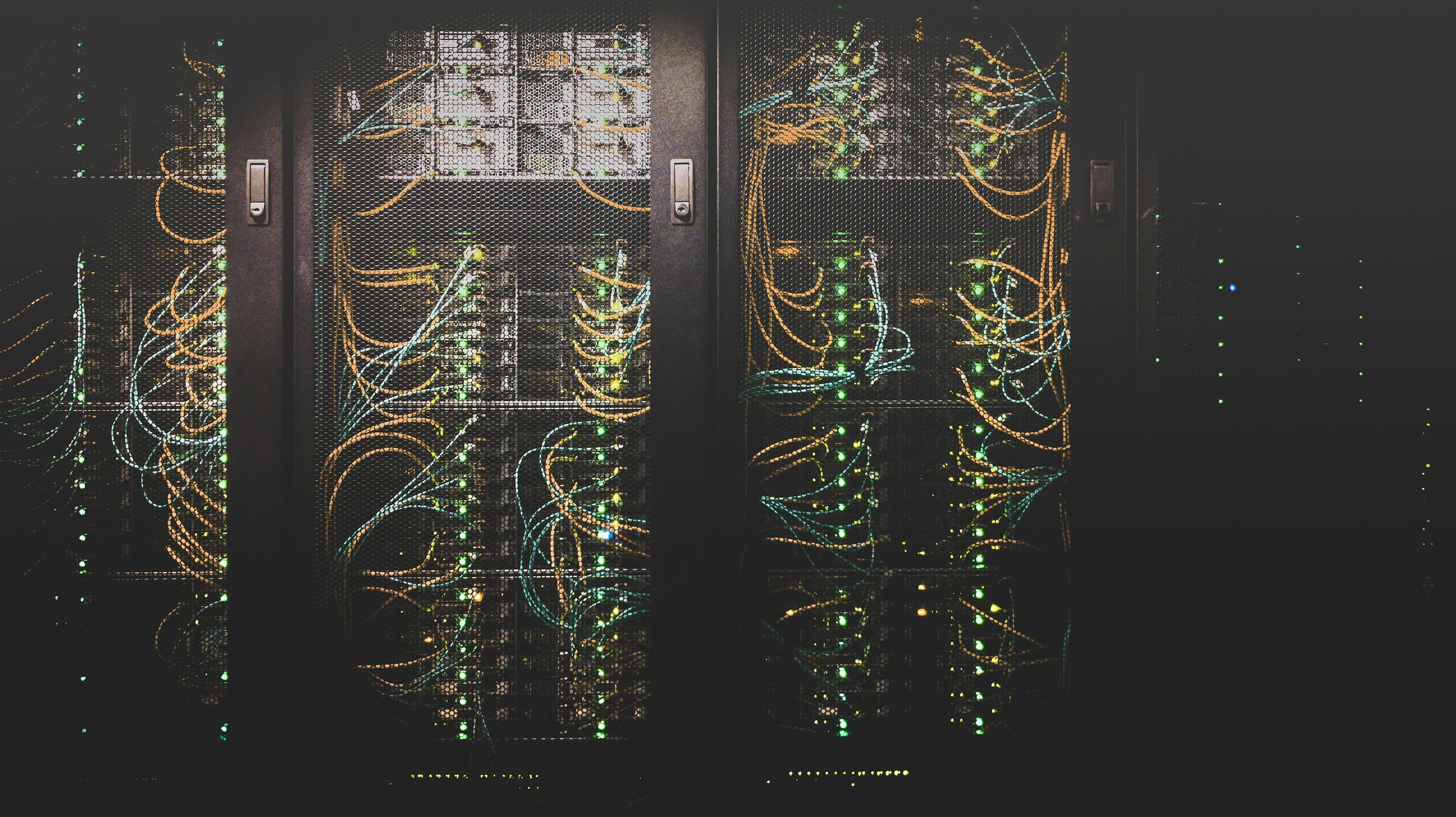
The demand signal here traces directly to Nvidia's GB200 and related Blackwell-architecture products. Foxconn is among the primary assemblers for Nvidia's server systems, putting together the dense, power-hungry rack configurations that data centers require for training and inference workloads. As Nvidia's order backlog has remained extended through the first quarter of 2026, Foxconn's production lines have stayed under pressure to keep up.
Foxconn's Strategic Pivot Toward AI Infrastructure
Chairman Young Liu has been explicit about the company's ambitions in AI infrastructure for the past two years. Foxconn has been investing in its own AI server design capabilities, building out facilities in the United States, Mexico, and India specifically to serve the data center market, and positioning itself not just as an assembler but as an end-to-end infrastructure partner. The January-February numbers suggest that strategy is producing tangible results ahead of schedule.
The company has also been cultivating direct relationships with major US hyperscalers — Microsoft, Google, and Meta among them — rather than relying solely on its role as a downstream supplier in Nvidia's channel. That shift matters because it gives Foxconn more visibility into long-term demand planning and reduces the revenue volatility that comes with being purely reactive to chipmaker production cycles.
What This Means for the Broader AI Supply Chain
Foxconn's performance is a useful real-world indicator of AI infrastructure spending health because it sits downstream from chipmakers but upstream from end users. Strong revenue here means the actual physical buildout — not just chip orders, but assembled servers, tested rack systems, and shipped hardware — is proceeding at pace. That's a meaningful distinction from simply tracking Nvidia's booking figures, which can reflect future demand rather than current deployment.
Other contract manufacturers and component suppliers are watching Foxconn's trajectory closely. Companies supplying power management chips, cooling systems, high-bandwidth memory modules, and server chassis all benefit when Foxconn's AI server output is running hot. The ripple effect through the supply chain is wide, which is part of why a single revenue report from a contract manufacturer has become something investors in the broader semiconductor and infrastructure sector monitor carefully.
Risks Worth Keeping in Mind
The pace of AI infrastructure investment has surprised almost every analyst who tried to model it, and there's a reasonable question about sustainability. Data center capital expenditure at this scale is driven by a relatively small number of hyperscalers whose spending plans can shift quickly if AI monetization timelines slip or if a major model efficiency breakthrough reduces the hardware requirements per unit of compute. Foxconn's fortunes in the AI server business are closely tied to those decisions.
US export controls on advanced chips also introduce uncertainty. If restrictions tighten further and reduce the pool of international buyers who can legally purchase Nvidia-based systems, that could soften demand at the margins — though domestic US and allied-country demand appears strong enough in the near term to absorb some of that impact.
The Takeaway
Foxconn's 21.6% revenue surge in the first two months of 2026 is one of the clearest signals yet that the AI hardware cycle isn't showing meaningful signs of cooling. For a company that spent decades defined by iPhone assembly lines, becoming a central player in the global AI infrastructure buildout is a significant transformation — one that's now showing up in the revenue numbers in a way that's hard to argue with.
AI Summary
Generate a summary with AI
