David Chang's Fuku Fried Chicken Set to Open First Standalone South Florida Location
South Florida's restaurant scene has no shortage of options, but David Chang's Fuku landing in Coral Gables is a different kind of arrival. The cult-favorite fried chicken brand — known for its spicy chicken sandwiches and devoted following in New York — opens its first standalone South Florida location on March 11 at 135 Miracle Mile. For anyone who's only encountered Fuku at a stadium concession stand, this is the real version, and it's been a long time coming for fans in the region.
Why Coral Gables Makes Sense as the Entry Point
Miracle Mile in Coral Gables is one of South Florida's more interesting retail and dining corridors — not as saturated as South Beach, but with genuine foot traffic, a strong local dining culture, and a demographic that skews toward food-literate consumers willing to queue for something they're excited about. It's the kind of street where a brand with real credibility can land without getting lost in the noise. Fuku's decision to plant its flag there rather than going straight for a higher-visibility Miami Beach or Brickell address suggests some deliberate thinking about where the brand fits and how it wants to be perceived in this market.
The Coral Gables location also gives Fuku a relatively affluent, food-curious customer base to work with as they calibrate operations for the South Florida market before expanding further. Running a tight, high-quality fast-casual kitchen in a new region is harder than it looks, and getting the fundamentals right in one location before opening a second is generally the smarter play.
West Palm Beach Is Next, Later in 2026
Fuku has already confirmed a second South Florida location planned for West Palm Beach later this year. That geographic spread — from Coral Gables in Miami-Dade to Palm Beach County — signals this isn't a tentative single-location test. It's a regional expansion, and the spacing between the two openings gives the brand time to identify operational issues and build local brand recognition before committing to a denser footprint.
West Palm Beach has changed considerably over the past few years. An influx of relocated professionals and families from the Northeast has brought with it demand for the kinds of food brands they were used to having access to back home. Fuku — which built its original reputation in New York — is well-positioned to benefit from exactly that dynamic.
From Stadiums to Storefronts: Fuku's Expansion Strategy
Fuku's route to national recognition has been unconventional. Rather than the typical playbook of opening standalone locations city by city, the brand built much of its exposure through sports venues and arenas — locations where captive audiences encountered the food during games and events. It's a smart awareness-building strategy, but stadium food comes with real limitations. The experience is rushed, the context is loud and distracted, and the food has to survive concession stand conditions. None of that is the ideal introduction to what a brand can actually do.
Standalone locations change the equation entirely. Customers come specifically for the food, the kitchen can focus on consistency and quality without stadium volume constraints, and the brand gets to control the full experience from the moment someone walks in. For Fuku, the South Florida openings represent a meaningful shift toward building the kind of street-level presence that turns a brand people have heard of into one people actually return to regularly.
What to Expect from the Menu
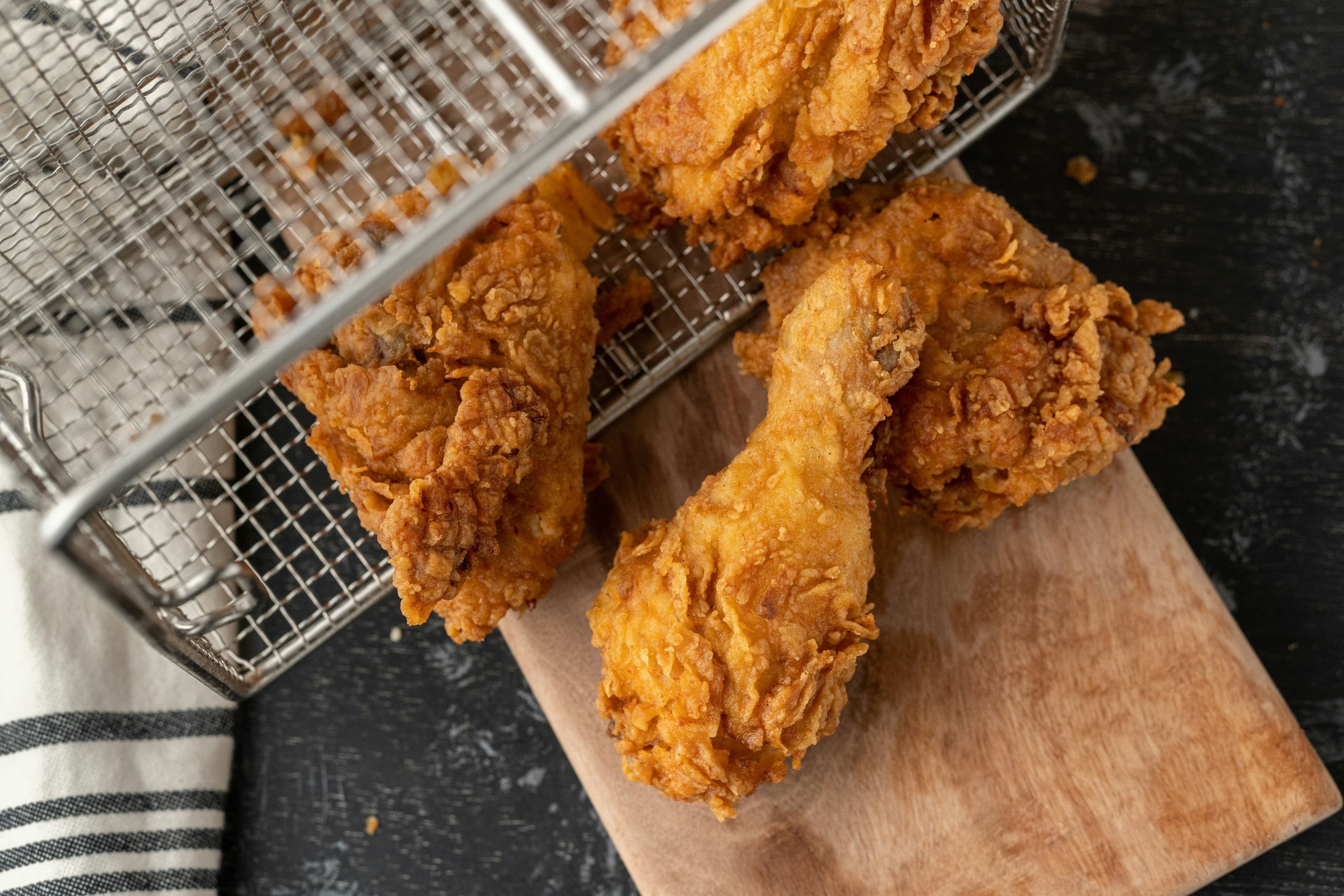
Fuku's core identity is the spicy fried chicken sandwich — a thigh, not a breast, which is the correct choice — with a chili paste that brings heat without completely overwhelming the flavor of the chicken itself. The menu also includes chicken fingers, nuggets, and sides that lean into the same flavor profile. It's not a complicated menu, and that's by design. Chang has always understood that doing a small number of things exceptionally well beats sprawling menus that dilute focus and consistency.
South Florida has a well-developed palate for spice and bold flavor — the region's Caribbean, Latin American, and Asian culinary influences mean that heat is not a barrier to entry here the way it might be in some other markets. Fuku's flavor profile should translate well, possibly better than it does in some other cities where the brand has expanded.
David Chang's Brand Power Still Carries Weight
Chang's cultural footprint in the food world remains substantial. Momofuku — his restaurant group — helped reshape how Americans think about Asian-influenced cooking and fast-casual dining over the past two decades. Fuku emerged from that ecosystem with its own distinct identity, and the association still matters for the brand's credibility. In a market saturated with fried chicken concepts, having a genuine culinary pedigree behind the product is a real differentiator, even if most customers experience it as simply good food rather than consciously processing the chef's biography.
The opening on March 11 will tell a lot about how South Florida receives the brand. Lines on day one are expected — novelty and social media curiosity will drive that regardless. What matters more is whether the location builds a steady, repeating customer base in the weeks and months that follow. Based on how the brand has performed in other standalone markets, the ingredients for that kind of durability are there.
AI Summary
Generate a summary with AI

