Fiber-Maxing Emerges as the New Health Trend Reshaping Restaurant Menus
Protein had a long run. For the better part of a decade, 'high protein' was the magic phrase on menus, packaging, and social media food content alike. Now something else is taking up that oxygen — and it's not a new superfood or an exotic supplement. It's fiber. Specifically, the growing consumer obsession with gut health has elevated dietary fiber from a boring nutritional footnote to the most talked-about ingredient category in the restaurant industry heading into 2026.
The term circulating on social media is 'fiber-maxing' — the practice of deliberately loading meals with as many high-fiber ingredients as possible, typically in pursuit of gut microbiome health. What started as a wellness community habit on TikTok and Instagram has crossed over into mainstream consumer behavior fast enough that restaurants and food brands are scrambling to keep up.
From Wellness Trend to Menu Strategy
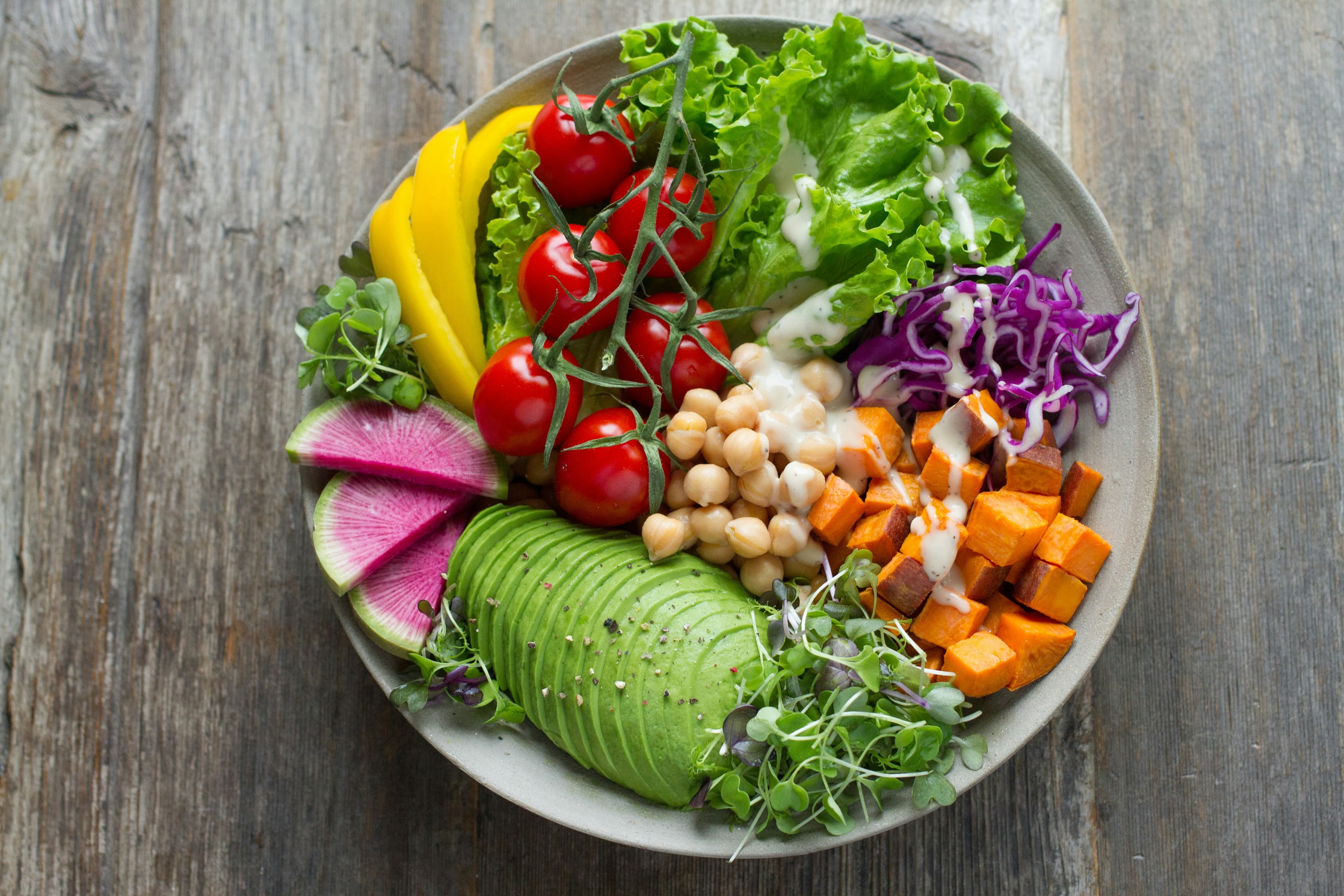
Industry analysts tracking menu data are seeing the shift show up clearly in what restaurants are adding and how they're describing existing items. Lentils, chickpeas, farro, freekeh, black beans, roasted vegetables with the skin on, chia seeds — ingredients that have always been available but rarely got front-of-menu positioning — are now being highlighted as fiber-forward options. Some fast-casual chains are going further, building entire menu categories around gut health language and specifically calling out fiber content alongside calorie counts.
The shift makes commercial sense. Consumers who are actively trying to increase their fiber intake are motivated diners — they're not just ordering based on taste or price, they're making intentional choices and often willing to pay a premium for ingredients they perceive as functional. That's a behavior pattern restaurants can build a menu strategy around.
The Science Behind the Social Media Moment
Unlike some wellness trends that rest on thin or contested science, the gut health angle behind fiber-maxing is reasonably well supported. Research on the gut microbiome has expanded rapidly over the past decade, and there's solid evidence linking high dietary fiber intake to better digestive health, reduced inflammation, improved blood sugar regulation, and a lower risk of certain chronic diseases. Fiber feeds the beneficial bacteria in the gut, and a diverse microbiome has been associated with better health outcomes across multiple systems in the body.
The problem, nutritionally speaking, is that most Americans eat roughly half the daily fiber recommended by health guidelines. The average adult gets around 15 grams per day against a recommended 25 to 38 grams depending on age and sex. That gap is significant, and awareness of it is growing — which is part of why fiber content has become something consumers are actively seeking out rather than passively accepting.
How Restaurants Are Actually Implementing It
The practical implementation varies widely by restaurant segment. At the fast-casual level, the changes tend to be ingredient-focused: swapping refined grains for whole grains, adding legume-based sides, or building grain bowls that lead with fiber density. Some concepts have introduced specific menu sections labeled around gut health or digestive wellness, which would have seemed unusual a few years ago but now reads as responsive to genuine consumer interest.
Full-service and chef-driven restaurants are approaching it differently. Rather than labeling dishes with fiber content, they're incorporating ingredients like fermented vegetables, whole grains, and prebiotic-rich produce as a natural part of menu development. Chefs who were already cooking with these ingredients for flavor and texture reasons are finding that the gut health narrative gives their menus a new way to connect with health-conscious diners.
The Protein Parallel — and Where Fiber Might Go Next
It's worth comparing this moment to what happened with protein over the past decade. Protein went from a nutritional consideration to a marketing category to an ingredient that showed up in everything from yogurt to pasta to cookies — often in quantities and forms that had more to do with labeling than genuine nutritional benefit. There's a reasonable chance fiber follows a similar trajectory: genuine health interest in the early stages, followed by widespread co-opting by food brands looking to ride the trend regardless of whether their product actually delivers on the promise.
For now though, the fiber-maxing trend is driving real menu changes with real nutritional merit behind them. Restaurants adding more legumes, whole grains, and vegetables to their menus aren't doing anyone a disservice. The question is whether the industry sustains that substance once the marketing machines fully engage — or whether fiber eventually ends up printed on the side of a candy bar.
AI Summary
Generate a summary with AI