Brent Crude Settles at $87.80 After Energy Secretary Wrongly Claims Navy Escorted Tanker Through Hormuz
Oil markets have been on edge since the Iran conflict began, hypersensitive to any signal about Strait of Hormuz shipping conditions. On Tuesday they got a signal — a big one — that turned out to be wrong. US Energy Secretary Chris Wright posted on social media that the US Navy had successfully escorted a commercial tanker through the Strait, a development that would have marked a major turning point in the conflict's impact on global energy supply. Traders responded immediately and aggressively. Brent crude plunged. Then the White House denied the claim. The day ended with Brent settling down 11.28% at $87.80 per barrel — one of the sharpest single-day oil moves in recent memory, triggered largely by a government official posting something that was not true.
What Chris Wright Posted and Why It Moved Markets So Fast
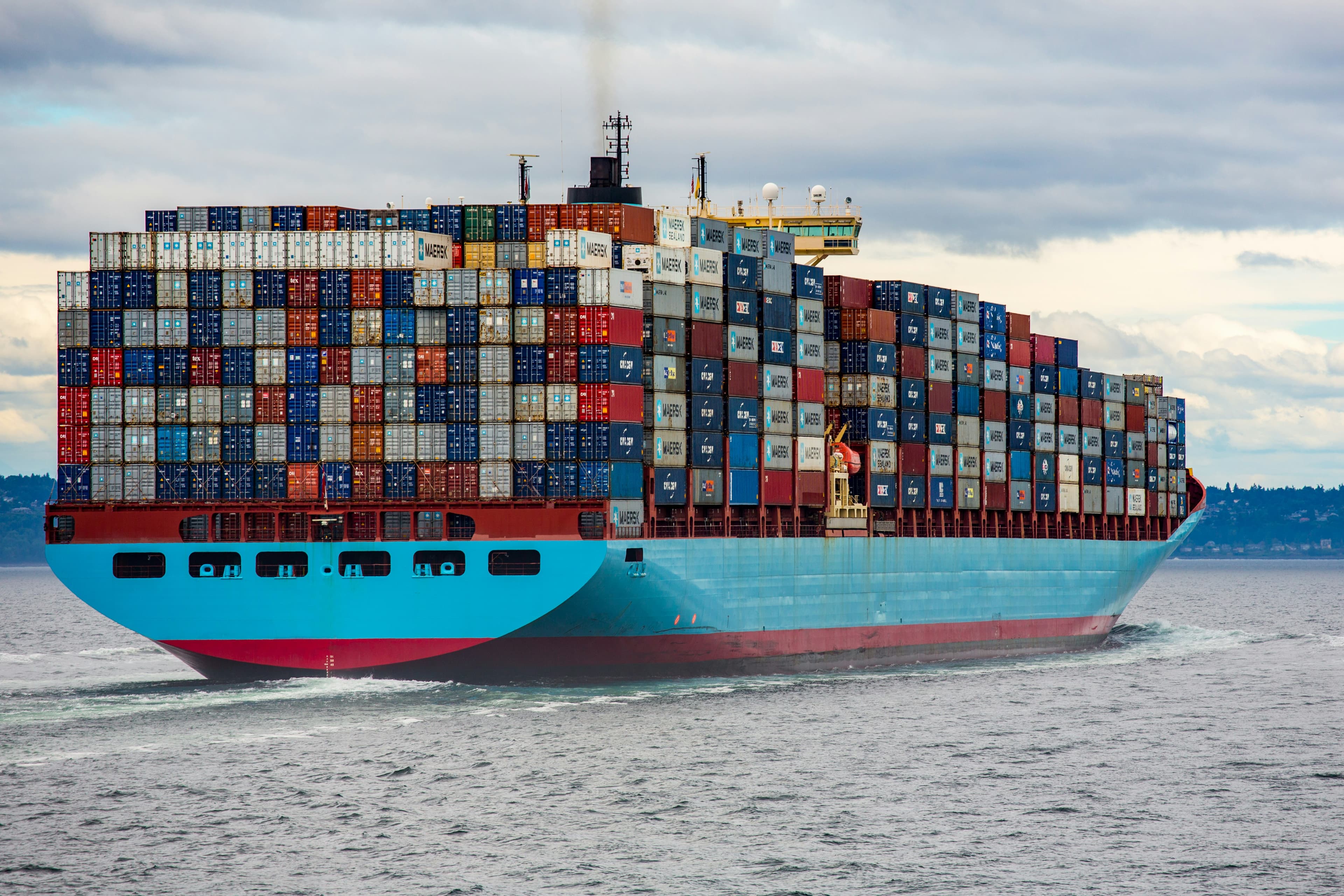
The Strait of Hormuz is the single most important chokepoint in global energy logistics. Roughly 20% of the world's oil supply transits through it, and the disruption of commercial shipping through that corridor since the Iran conflict began has been a primary driver of the elevated crude prices that reached toward $120 per barrel in recent sessions. Any credible confirmation that the strait was reopening to escorted commercial traffic would represent a fundamental shift in the supply picture that oil markets had been pricing.
Wright's post hit at a moment when traders were already primed to respond to exactly that kind of news. Algorithmic trading systems, which monitor official government social media accounts for market-moving information, would have reacted within milliseconds. Human traders following the secretary's account would have acted seconds later. The speed and scale of the initial sell-off in crude reflected how efficiently modern markets price new information — and how catastrophically that efficiency misfires when the information is inaccurate. By the time the White House denial arrived, substantial volume had already traded at prices that reflected a reality that did not exist.
The White House Denial and the Ensuing Chaos
The White House's correction came quickly, but quickly in market terms still means minutes after enormous trading activity has already occurred. The denial confirmed that no Navy escort of a commercial tanker through the Strait of Hormuz had taken place — Wright's post was incorrect. What followed was a partial reversal as some of the oil price decline was given back, but not all of it. Markets that have moved sharply on false information do not simply return to exactly where they started when the correction arrives, because the uncertainty itself has a price. Traders were now not only uncertain about the strait situation but also uncertain about the reliability of official communications from the energy secretary.
The final settlement of Brent at $87.80 — down 11.28% on the day — represented a genuinely extraordinary move. For context, a double-digit percentage decline in a single session for crude oil is the kind of event that typically requires a demand-destroying recession announcement, a major OPEC production increase, or a dramatic geopolitical resolution. Getting there via a Cabinet member's erroneous social media post is unprecedented in the recorded history of oil market volatility events.
Who Made Money, Who Got Hurt, and How Fast It Happened
The volatility of Tuesday's session will have produced significant winners and losers among market participants. Traders who were short crude oil — betting on prices falling — and who held their positions through the session would have seen extraordinary gains on the initial drop. Algorithmic funds that reacted instantly to Wright's post and established short positions before the reversal would have captured most of the downside move. Those who were long and slow to react to the initial news faced sharp mark-to-market losses before the partial recovery.
The more significant damage, however, fell on companies and consumers who had hedging programs in place — airlines, shipping companies, and manufacturers that had purchased crude derivatives to protect against price spikes. Hedges established before Tuesday at prices significantly above $87.80 would have looked expensive as the session closed, even if the underlying economic logic of having purchased price protection remained sound. One day's price does not define whether a hedging program was well-designed, but Tuesday generated a lot of uncomfortable conversations between treasury departments and their boards.
The Accountability Question Around Wright's Post
Cabinet secretaries posting inaccurate market-sensitive information on social media is not a scenario that existing regulatory frameworks handle cleanly. The SEC's rules around market manipulation and false statements apply most clearly to corporate officers in relation to their own companies' securities. A government official posting incorrect information about military operations that affects commodity prices sits in a grayer regulatory space, but the harm is no less real. Investors who traded on Wright's post and suffered losses because the information was false have a reasonable grievance, even if the legal remedies are unclear.
The political accountability dimension is more straightforward. An Energy Secretary posting operationally sensitive and factually incorrect military information during an active conflict is a serious failure of government communications discipline. The question of how Wright came to believe the Navy escort had happened, whether he checked with any other government official before posting, and what internal review process exists for senior officials making social media statements about ongoing military operations will be asked in Congressional oversight hearings — if Democrats manage to get those hearings scheduled, a separate battle they are already fighting.
What the Real Hormuz Situation Actually Looks Like
The correction that no Navy escort had occurred means that the Strait of Hormuz situation remains as it was before Wright's post — contested, uncertain, and without the clear reopening signal that markets had briefly priced in. Commercial shipping through the strait continues to be severely disrupted. Tanker operators are charging war risk premiums that have made certain shipments economically unviable. Some vessels have rerouted around the Cape of Good Hope, adding weeks to journey times and significantly increasing freight costs. The supply constraints that had been pushing oil toward $120 per barrel remain structurally in place.
Tuesday's settlement at $87.80 is therefore somewhat puzzling from a fundamental standpoint. If the strait remains disrupted and the false Navy escort information has been corrected, the supply situation that justified higher prices has not actually improved. Some of the decline presumably reflects the partial signal embedded in the error itself — that the US military is at least considering or planning escort operations suggests awareness of the commercial shipping problem and potential near-term action. But that reading requires extracting signal from a noise event, which is an uncertain business.
Social Media, Government Officials, and Market Integrity
Tuesday's episode joins a growing body of evidence that social media posts from senior government officials can move markets with the speed and force of official policy announcements, without any of the verification processes that official announcements involve. The problem has existed since Twitter became a primary communication channel for political figures, and has not been adequately addressed by either platform policies or government communication protocols.
During an active military conflict, when markets are already operating at elevated sensitivity to any information about supply routes and military operations, the stakes of a senior official posting unverified information are substantially higher than in normal times. A 11.28% single-day move in the global oil benchmark, generated partly by an inaccurate social media post from a Cabinet secretary, is precisely the kind of market disruption that regulators and government communication offices should have protocols to prevent. Whether Tuesday's incident produces any such protocols, or is simply absorbed as one more chaotic episode in an already chaotic period, will say something meaningful about how seriously the relevant institutions take the market integrity implications of official social media activity.
What Comes Next for Oil Prices
Brent at $87.80 still represents a meaningful elevation above pre-conflict levels, and the fundamental supply constraints that drove the earlier run toward $120 have not been resolved. The next significant price drivers will be any actual movement on Hormuz shipping — whether military escort operations begin in earnest, whether ceasefire talks produce a genuine reduction in hostilities, or whether Iran's new leadership escalates in ways that further restrict transit. Trump's 'very soon' comment from earlier in the week continues to hang over the market as an unverified signal that the conflict may be approaching resolution.
Tuesday's session demonstrated that oil markets are trading on information quality as much as information content right now. In an environment where official statements have proven unreliable — one Cabinet secretary posts false operational information, the President makes vague conflict-ending claims without substantiation — the premium for verified, confirmable data has never been higher. Energy traders are effectively navigating a market where the information they need most is both critically important and deeply unreliable. That combination does not typically produce orderly price discovery. It produces days like Tuesday.
AI Summary
Generate a summary with AI


