Apple Announces Breakthrough in Solid-State Battery Integration for MacBooks
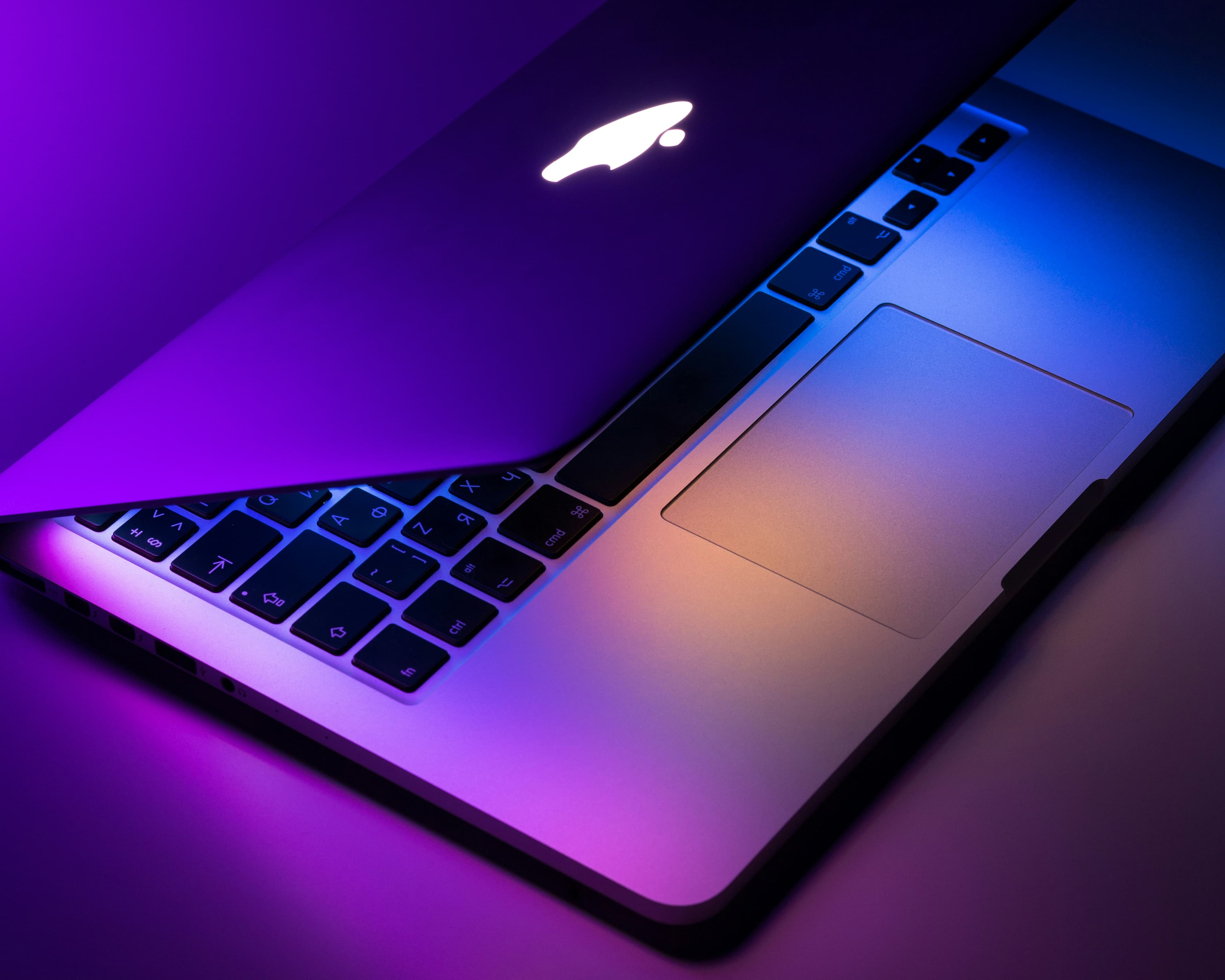
Battery life has been one of those persistent complaints that Apple has chipped away at for years — incrementally, quietly, through software optimization and chip efficiency. But this announcement is different. Apple has confirmed it has successfully integrated solid-state battery technology into a MacBook platform, and the claimed result is a 30% improvement in battery life over current models. That's not a rounding error. That's a meaningful shift in how long you can actually use a laptop before hunting for an outlet.
Why Solid-State Batteries Are a Big Deal
Most consumer electronics today — including every MacBook currently on sale — run on lithium-ion batteries. They work well enough, but they have real limitations: they degrade over time, they can be sensitive to temperature extremes, and the liquid electrolyte inside them creates both safety concerns and a ceiling on energy density. Solid-state batteries swap that liquid electrolyte for a solid material, which addresses most of those weaknesses at once.
The theoretical advantages have been known for years. Higher energy density, faster charging potential, better thermal stability, and longer cycle life before noticeable degradation kicks in. The problem has always been manufacturing — producing solid-state cells at the scale and consistency needed for consumer hardware is genuinely hard. That's why this Apple announcement carries weight. It suggests the company has found a path through those production challenges, at least for laptop-sized applications.
30% Longer Life — What That Actually Means in Practice
Current M-series MacBooks already post some of the best battery numbers in the laptop industry. The MacBook Air M3, for instance, is rated at up to 18 hours under Apple's own testing conditions. Add 30% to that and you're looking at figures that start to sound almost unrealistic — until you consider that real-world usage is always lower than rated numbers. In practice, a 30% gain could mean going from a full workday to something approaching two days of moderate use without charging. For road warriors and frequent travelers, that's a genuinely different kind of freedom.
There's also the longevity angle. Solid-state cells are expected to maintain capacity through significantly more charge cycles than their lithium-ion counterparts. If that holds true in Apple's implementation, it means MacBooks that stay useful longer before the battery becomes the weak link — which has real implications for both personal ownership costs and Apple's own environmental commitments around product lifespan.
Apple's Hardware Strategy Behind the Move
This didn't happen overnight. Apple has been investing in battery research for years, and its acquisition of several materials science and battery tech startups over the past decade quietly pointed in this direction. The company also has an advantage that most laptop makers don't: tight control over both the silicon and the surrounding hardware. Because Apple designs its own chips, it can co-engineer the power delivery system alongside the battery, squeezing out efficiencies that are harder to achieve when you're pairing third-party chips with third-party cells.
It's also worth considering the competitive signal this sends. Battery life has become a legitimate differentiator in the premium laptop market. If Apple ships MacBooks with solid-state cells before any major PC competitor does, it creates a gap that won't be easy or quick to close. Component suppliers for the broader Windows ecosystem would need to scale up solid-state production simultaneously — which is a supply chain problem, not just an engineering one.
When Can You Actually Buy One
Apple hasn't attached a specific product launch date to this announcement, which is typical for technology confirmations of this kind. The gap between 'we've done it' and 'it's on shelves' can be anywhere from months to over a year, depending on how quickly manufacturing scales. Realistically, the first consumer MacBooks with solid-state batteries are likely candidates for a future MacBook Pro refresh — probably positioned at the higher-end configurations first, with broader availability following as yields improve and costs come down.
For anyone who bought a MacBook in the last year or two, this announcement will sting a little in the way that all hardware progress does. But it also signals that the next upgrade cycle might actually be worth waiting for — which, for a product category that's been refined to near-perfection in several other respects, is saying something.
AI Summary
Generate a summary with AI


