Zambia election sees incumbent President Hakainde Hichilema take lead
Early results from Zambia's general election put incumbent President Hakainde Hichilema in front, giving his administration an early advantage as votes continue to be counted. The result is being watched closely because the election also includes complaints from opposition groups about campaign conditions and alleged raids. For voters and political parties, the final outcome will depend on the completion of the official count and the handling of any disputes that follow.
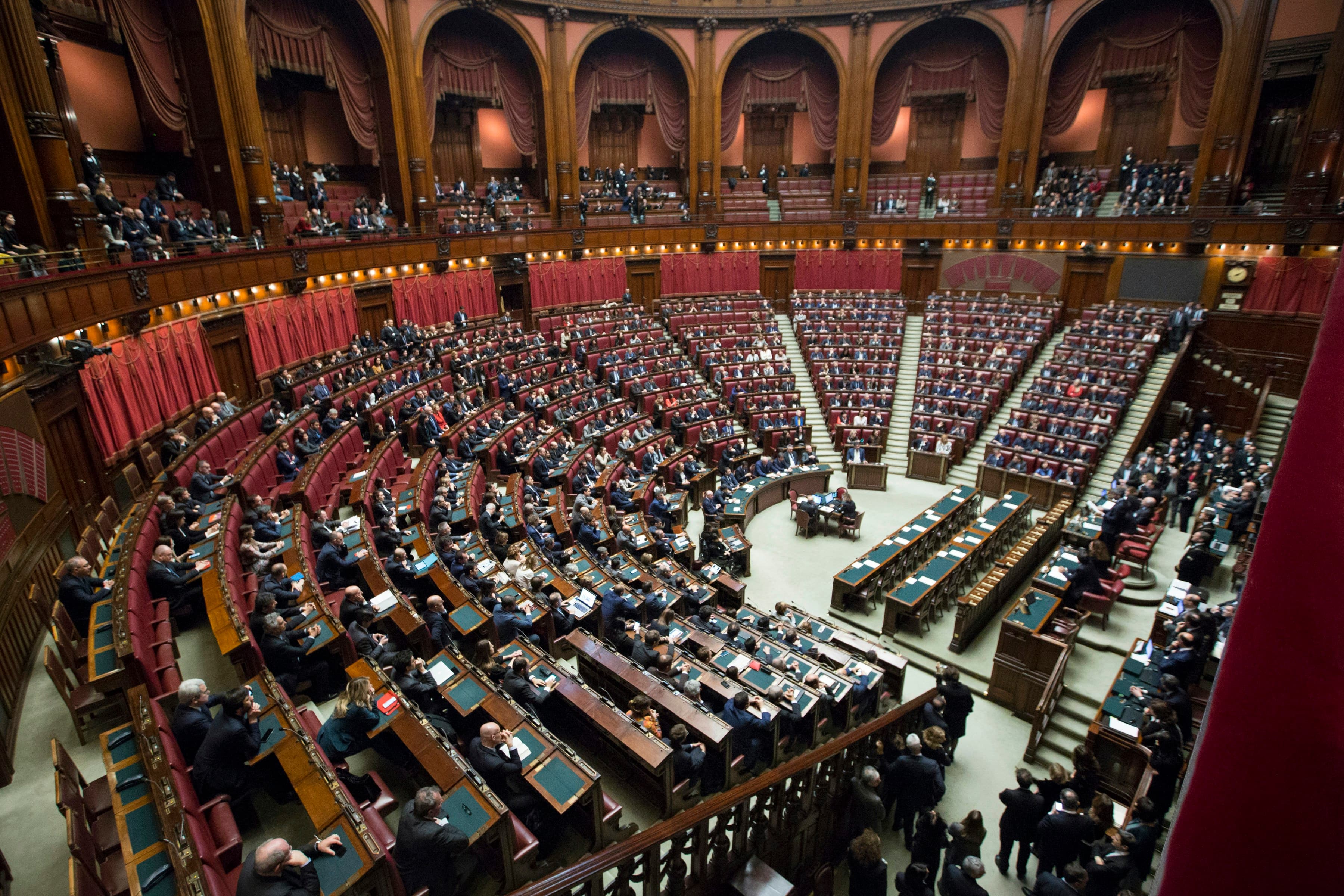
Hichilema gains an early advantage
Hichilema entered the election seeking another term after first winning the presidency in 2021. His earlier victory ended Edgar Lungu's six-year period in office and brought the United Party for National Development into national government. The latest vote therefore carries a direct test of whether Hichilema can retain public support after his first term.
Early figures can change as additional polling stations report their totals, particularly when results from less populated areas are added to the national count. A lead at this point should not be treated as a final result. Zambia's electoral authorities still have to complete verification before declaring the winner.
Opposition raises concerns over the campaign
Opposition parties have raised concerns about the conditions under which the campaign was conducted. Their complaints include allegations of raids and questions about whether political groups were able to campaign on equal terms. Such claims can become especially important after voting ends because they may influence whether losing candidates accept the announced result.
For the election process to retain public confidence, complaints need to be handled through Zambia's established legal and electoral procedures. Evidence, official records and decisions by the relevant authorities will matter more than political claims made during the counting period.
Why the final count matters
The difference between an early lead and a confirmed victory can be substantial. Election authorities must collect results from polling locations, verify the figures and resolve procedural questions before the national result is finalized. Parties also have the right to challenge results through the mechanisms provided by law.
That process will determine whether Hichilema's current lead becomes a confirmed second term. It will also determine how opposition parties respond if the final figures leave them behind. A peaceful transfer of political power is no longer the immediate question in this case, but acceptance of the official count remains central to what happens after the election.
What voters will watch next
The next stage is the continued release and verification of results. Voters will be looking for clear figures from the electoral authorities, while political parties will examine the results from individual constituencies and polling areas. Any formal complaints will need to follow the country's legal process rather than being settled through political statements.
Hakainde Hichilema's early lead gives his campaign reason for confidence, but it does not by itself settle the election. The final result will depend on the completed count, verification and any challenges that reach the appropriate authorities.
AI Summary
Generate a summary with AI