Men progressively lose the Y chromosome with age, raising cancer and Alzheimer's risk
Aging men lose the Y chromosome in a growing proportion of their cells over time, and new research confirms this is not simply a harmless side effect of getting older. The loss is now linked to elevated risks of heart disease, cancer, Alzheimer's disease, and shorter overall lifespans. Scientists are increasingly treating Y chromosome loss as an active contributor to disease rather than a passive marker of cellular aging, and that distinction is driving interest in whether targeted therapies could slow or address the process.
The Y chromosome is the smallest human chromosome and the one that determines male sex. For decades it was assumed to carry little functional importance beyond reproduction. That assumption has been dismantled progressively over the past two decades as researchers found Y chromosome genes expressed in tissues throughout the body, including the brain, heart, and immune system. The chromosome is not silent outside the testes. Losing it in significant numbers of cells appears to matter.
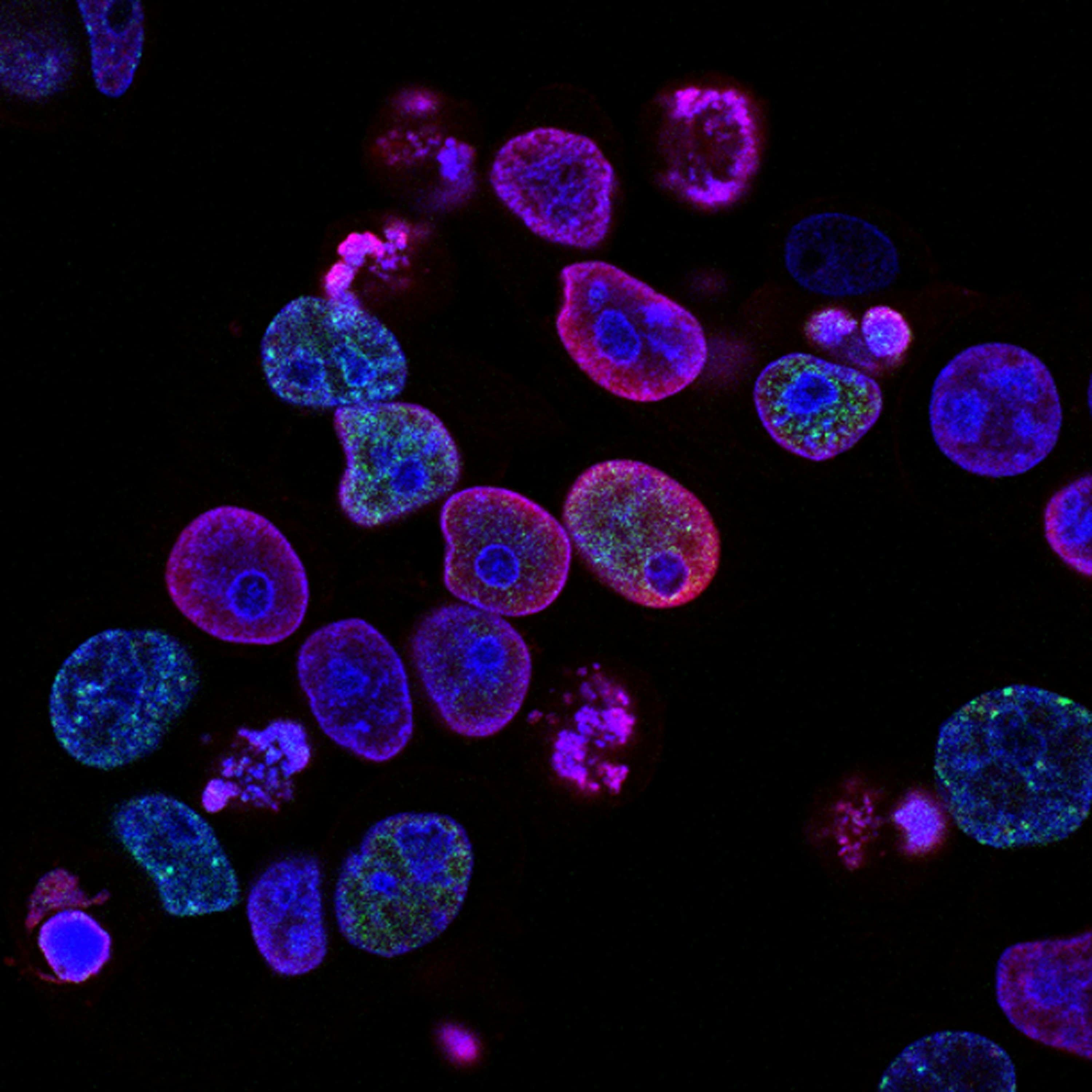
How Y chromosome loss actually happens
Loss of Y, abbreviated as LOY, occurs when cells divide and the Y chromosome fails to replicate properly or gets excluded during cell division. Over time, an increasing share of a man's cells contain only an X chromosome rather than the XY pair he was born with. This happens most frequently in white blood cells, which divide rapidly throughout life, but has been documented in cells from multiple tissue types including cardiac cells and neurons.
The rate of loss accelerates with age. A study published in Nature Genetics in 2022 using UK Biobank data found that LOY was detectable in roughly 40 percent of men over age 70, compared to approximately 15 percent of men in their 50s. Smoking significantly accelerates the rate of loss, with heavy smokers showing LOY prevalence roughly 4 times higher than non-smokers of the same age, according to research published in Science in 2014.
The connection to cancer risk
The original epidemiological signal connecting LOY to cancer came from population studies in the 1990s and early 2000s that found men with higher rates of Y chromosome loss in blood cells had elevated rates of non-hematologic cancers, meaning cancers of solid organs rather than blood cancers. The association was noted but not well explained at the time.
More recent research has provided a mechanistic explanation. Y chromosome genes include several with tumor suppressor functions, and losing them in immune cells impairs the immune system's surveillance of abnormal cells. A 2022 study published in Nature by researchers at the University of Virginia found that LOY in T cells specifically reduced their ability to target and destroy cancer cells in mouse models, and that restoring Y chromosome function in those T cells improved anti-tumor activity. The same study found that LOY in T cells was associated with worse outcomes in human bladder cancer patients in a dataset of 1,500 cases.
Y chromosome loss and Alzheimer's disease
The Alzheimer's connection is more recent and has attracted significant attention because it may partly explain why men who develop Alzheimer's tend to experience faster cognitive decline than women, even though women have a higher lifetime risk of the disease overall. Researchers at the University of Virginia published findings in 2023 showing that LOY in brain cells accelerated tau protein accumulation, one of the two hallmark pathological features of Alzheimer's disease alongside amyloid plaques.
In mouse models engineered to develop Alzheimer's-like pathology, animals with induced Y chromosome loss showed faster tau accumulation, more severe cognitive impairment on memory tests, and higher rates of amyloid plaque formation compared to control animals. The researchers then looked at human autopsy data and found that male Alzheimer's patients had higher rates of LOY in brain cells compared to age-matched male controls without Alzheimer's. This does not prove that LOY causes Alzheimer's, but it puts the chromosome on the list of factors that appear to accelerate the disease in men.
Cardiovascular disease and the heart muscle connection
Men have higher rates of cardiovascular disease than pre-menopausal women, a gap that has long been attributed primarily to hormonal differences. The Y chromosome research adds another variable. A 2023 study published in Science used chimeric mouse models where varying proportions of heart cells lacked the Y chromosome and found that higher LOY rates in cardiac cells directly increased fibrosis, the buildup of scar tissue in heart muscle that reduces cardiac function and precedes heart failure.
The lead researcher, Kenneth Walsh at the University of Virginia, has described LOY as a potential causal factor in the male cardiovascular disease gap rather than just a correlate. His lab's animal work found that cardiac cells missing the Y chromosome had altered gene expression in pathways governing inflammation and fibrosis, and that the heart function decline in high-LOY animals was measurable and progressive. The human epidemiological data from the UK Biobank confirmed that men with higher blood cell LOY rates had higher rates of cardiovascular hospitalization and shorter lifespans.
Why LOY is not simply a consequence of aging
The argument that LOY actively drives disease rather than passively accompanying it rests on two types of evidence. The first is mechanistic: the experiments in mouse models where LOY is deliberately induced in specific cell types cause measurable disease changes, not just correlate with them. The second is epidemiological: men with higher LOY rates die younger even after controlling for age, smoking, and other known risk factors, which suggests LOY is adding independent mortality risk rather than just reflecting it.
The reversibility question is also being studied. Y chromosomes that are lost from cells cannot be restored, but the downstream effects of their loss might be addressable. Walsh's group has experimented with targeting the TGF-beta signaling pathway, which becomes dysregulated in Y-deficient cardiac cells and drives fibrosis, using existing approved drugs. In mouse models, blocking TGF-beta signaling in high-LOY animals reduced cardiac fibrosis and improved survival outcomes, suggesting a potential therapeutic angle that does not require restoring the chromosome itself.
What accelerates Y chromosome loss and what might slow it
Smoking is the most firmly established accelerant. The 2014 Science study found a dose-dependent relationship between pack-years smoked and LOY prevalence, and critically found that ex-smokers had lower LOY rates than current smokers, suggesting the damage is at least partially halted when smoking stops. Obesity and exposure to certain environmental toxins have been associated with higher LOY rates in smaller studies, though those findings require further replication.
Researchers are also investigating whether genetic variants that affect DNA repair efficiency influence LOY rates. Men with variants that reduce the fidelity of chromosome segregation during cell division would be expected to accumulate LOY faster, and a 2023 genome-wide association study identified 156 genetic loci associated with LOY rate variation across a sample of more than 200,000 men. Several of those loci involve genes in cell cycle checkpoint pathways, consistent with the DNA repair hypothesis.
Clinical trials testing whether interventions targeting LOY-associated pathways can reduce cardiovascular and cognitive disease outcomes in older men are currently being designed, with several expected to begin enrollment in 2026.
AI Summary
Generate a summary with AI
