Wisconsin Democrats gain momentum ahead of 2026 midterms as Trump disapproval hits record high
A new Marquette University Law School poll found that 56% of Wisconsin registered voters now disapprove of President Trump's job performance, the highest disapproval figure ever recorded for Trump in any Marquette poll across both of his presidential terms. The number is a concrete signal that Democratic enthusiasm heading into the 2026 midterm cycle is not just rhetorical. It is measurable, and it is concentrated in a state that has decided multiple national elections by margins of less than one percentage point.
Wisconsin is not a reliably blue state. Trump won it in 2016 by roughly 22,000 votes, lost it in 2020 by about 20,000, and won it again in 2024. The state has split its Senate seats between parties and regularly produces divided government at the state level. A 56% disapproval reading in that context carries more weight than the same number would in California or Massachusetts.
What the Marquette poll actually measured
The Marquette University Law School poll is widely considered the most methodologically rigorous public poll of Wisconsin voters. It surveys registered voters rather than just adults, uses live telephone interviews, and has a track record of accuracy in Wisconsin elections that few state-level polls match. The March 2026 survey showing 56% disapproval represents a meaningful shift from Trump's approval-disapproval split in the state during most of 2025, when the two figures were closer to parity.
The poll also captured enthusiasm gap data. Democratic-leaning respondents reported significantly higher interest in the upcoming April 2026 Wisconsin Supreme Court election compared to Republican-leaning respondents. Enthusiasm gaps in off-year and spring elections tend to matter more than in general elections because turnout is structurally lower, which means the composition of who actually votes shifts more dramatically based on which side is more motivated.
The April 2026 Wisconsin Supreme Court race
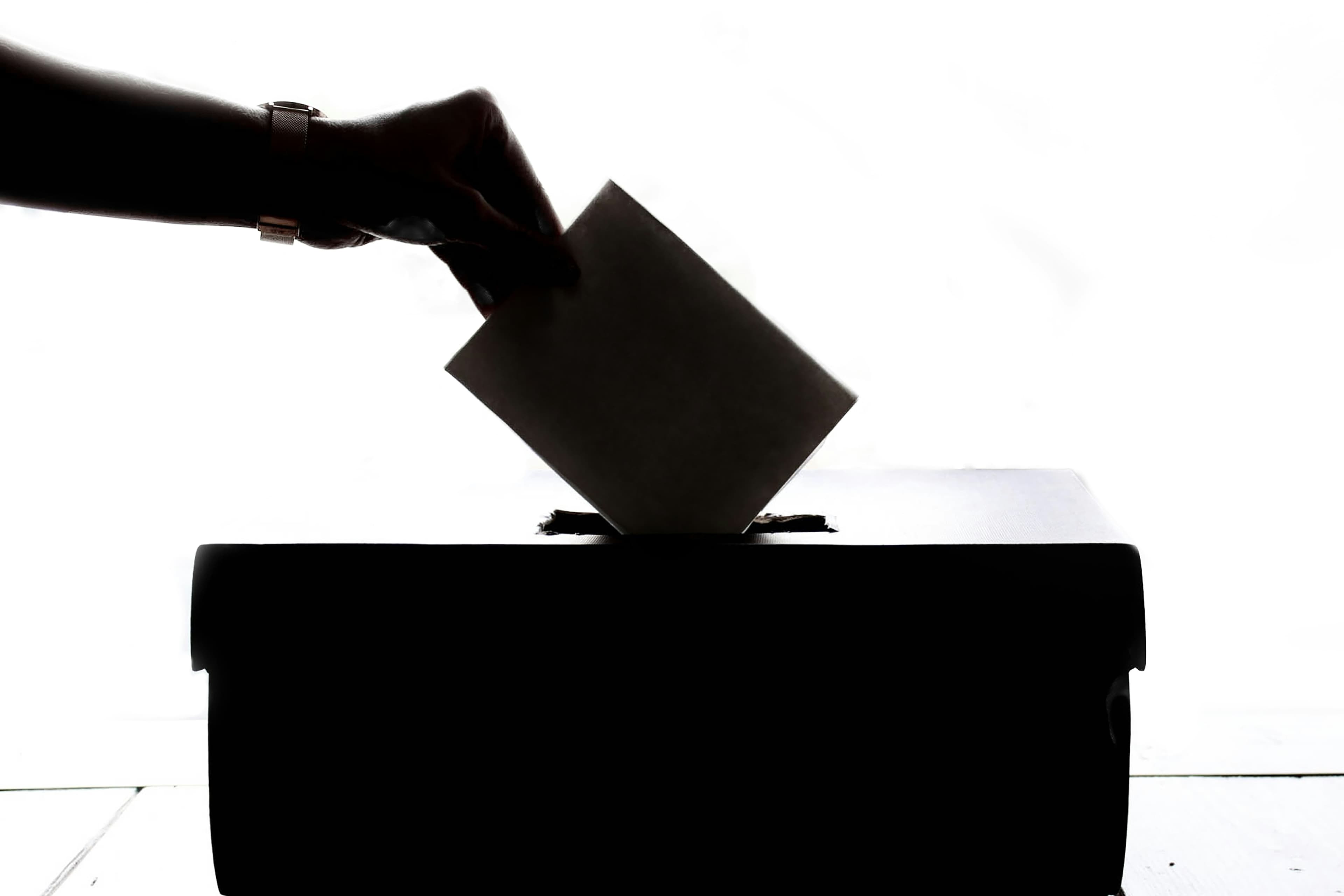
The immediate electoral test for this Democratic energy is the Wisconsin Supreme Court election scheduled for April 1, 2026. The race determines whether the court's 4-3 liberal majority holds or flips to conservative control. Wisconsin's Supreme Court has jurisdiction over redistricting challenges, abortion access cases, and election administration disputes, all of which are active legal battlegrounds in the state.
Democrats won the Wisconsin Supreme Court majority in April 2023 when liberal candidate Janet Protasiewicz defeated conservative Daniel Kelly by 11 percentage points in a race that drew record spending for a state judicial election, with total expenditures exceeding $42 million. That margin was driven partly by post-Dobbs mobilization around abortion rights. The 2026 race arrives with a different but comparably energizing set of issues, including immigration enforcement, the war with Iran, and federal agency disruption.
Which Trump policies are driving disapproval in Wisconsin
The Marquette poll does not exist in a vacuum. Wisconsin has a large dairy farming sector and a significant manufacturing base, both of which have faced cost pressures from tariffs on imported inputs including steel, aluminum, and agricultural equipment components. The Wisconsin Farm Bureau reported in February 2026 that input costs for the average Wisconsin dairy operation had risen approximately 12% year-over-year, a figure that gets discussed at feed stores and county fairs more than it does in Washington policy briefings.
Immigration enforcement operations have also produced visible local reactions. Several Wisconsin communities have longstanding immigrant populations working in meat processing, agriculture, and construction. Federal enforcement actions in those communities since January 2025 have generated coverage in local Wisconsin media that would not have reached the national news cycle but which registers clearly in statewide polling.
Wisconsin's Senate race in 2026
Republican Senator Ron Johnson is up for re-election in November 2026. Johnson won his third term in 2022 by roughly 26,000 votes over Lieutenant Governor Mandela Barnes in a race that Democrats spent heavily on and expected to win. He will enter the 2026 cycle with a disapproval environment that is materially worse for Republicans in Wisconsin than it was during either of his previous campaigns.
Johnson has not yet announced whether he will seek a fourth term. If he runs, he faces a Democratic base that is more activated than it has been since 2018, when Democrats swept most of Wisconsin's statewide offices. If he retires, the open seat becomes one of the most competitive Senate races in the country. Democrats flipping a Wisconsin Senate seat would require a net shift in the chamber that changes the balance of power in ways that affect every major piece of federal legislation.
Democratic enthusiasm and what drives it in 2026
The 'No Kings' protests on March 28, 2026 drew significant crowds in Milwaukee and Madison, two of Wisconsin's largest cities. Local organizers reported more than 40,000 attendees across the two cities combined, which would make it one of the largest single-day protest turnouts in Wisconsin since the 2011 Capitol protests against Governor Scott Walker's union legislation. Whether protest energy converts to ballot box turnout is a question that April 1 will begin to answer.
Voter registration data from the Wisconsin Elections Commission shows a net increase in Democratic-affiliated voter registrations since January 2026 that outpaces the comparable period in any non-presidential election year going back to 2010. New voter registrations are an imperfect but useful leading indicator of where enthusiasm is concentrating, and the current numbers in Wisconsin favor Democrats at a level that party strategists have not seen outside of presidential election years.
How Republicans are reading the numbers
Wisconsin Republican Party Chair Brian Schimming has publicly pushed back on the Marquette poll's framing, arguing that registered voter samples in Wisconsin tend to oversample Democrats and that likely voter screens in November 2026 will produce a different picture. That argument is not baseless. The shift from registered voter to likely voter screens typically narrows Democratic advantages in Wisconsin polling by several points.
What Republicans cannot easily dismiss is the enthusiasm gap data. In the 2022 midterms, Democratic turnout in Wisconsin exceeded most pre-election models, which most analysts attributed to abortion-related mobilization following the Dobbs decision in June 2022. The April 1, 2026 Supreme Court race will serve as the first real test of whether 2026 enthusiasm translates into actual votes, with results expected on election night.
AI Summary
Generate a summary with AI