WHO Updates Dengue Fever Advisory as Southeast Asia Cases Rise
The World Health Organization has issued updated dengue fever guidance after several Southeast Asian countries reported a noticeable rise in infections during recent monitoring periods. Public health agencies across the region are responding with expanded mosquito control programs, hospital preparedness measures, and public awareness campaigns as warmer weather and heavy rainfall create favorable breeding conditions for mosquitoes.
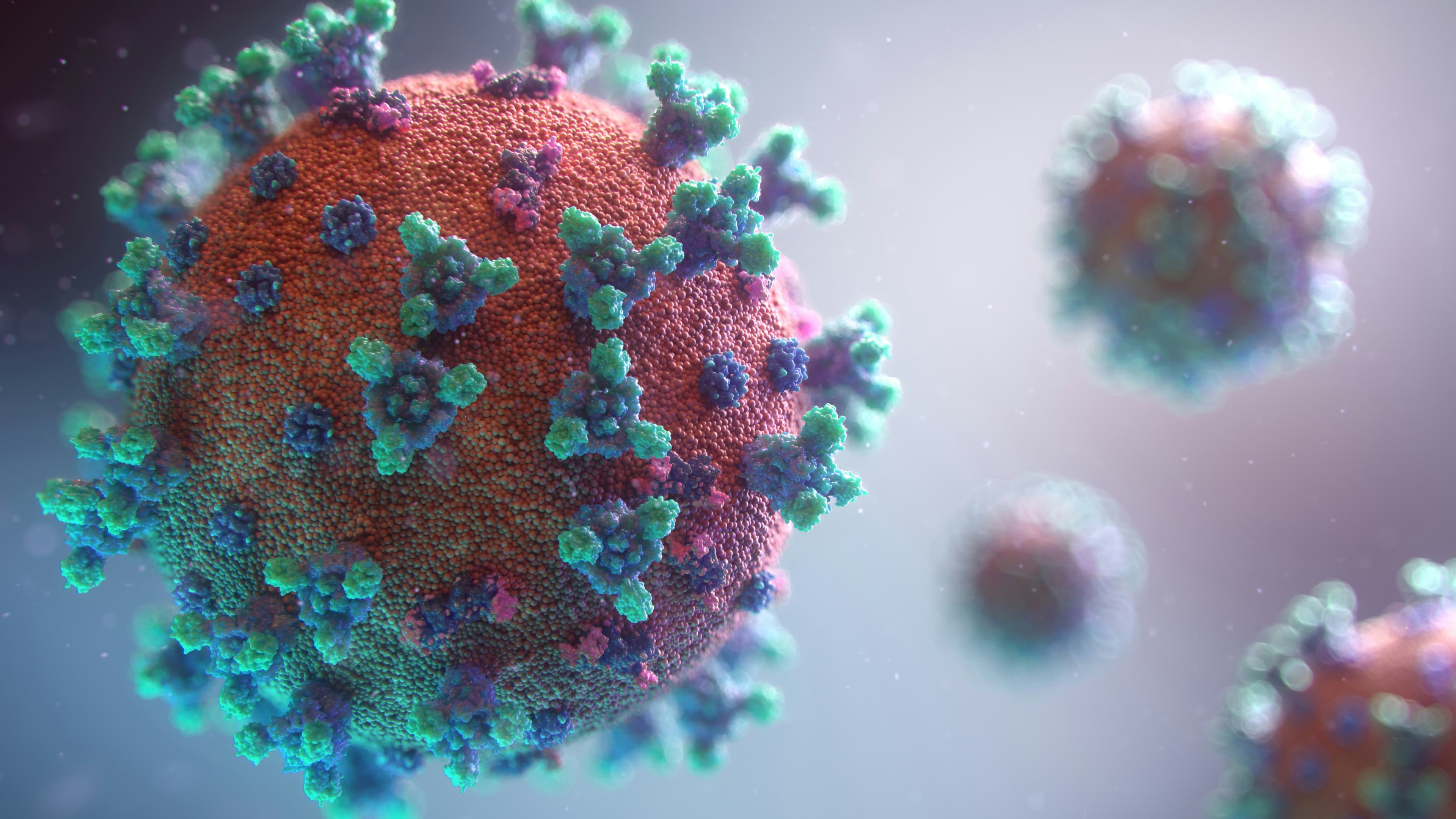
Why dengue cases tend to rise during rainy periods
Dengue fever spreads through infected Aedes mosquitoes, especially Aedes aegypti. These mosquitoes breed in stagnant water commonly found in buckets, drains, rooftops, discarded containers, and flooded urban areas. Southeast Asia experiences repeated dengue surges because dense cities, tropical temperatures, and seasonal rainfall create ideal conditions for mosquito populations to expand quickly.
Health officials in countries including Thailand, Indonesia, the Philippines, Vietnam, and Malaysia have reported pressure on local clinics during previous dengue waves. The updated WHO advisory encourages faster case detection and stronger monitoring in districts where hospitals are already seeing higher patient numbers.
What the updated WHO guidance focuses on
The WHO guidance places strong attention on early treatment and mosquito reduction efforts. Doctors are being advised to watch for warning signs such as severe abdominal pain, bleeding gums, persistent vomiting, fatigue, and rapid drops in blood platelet counts. Dengue symptoms can initially resemble influenza or other viral infections, which sometimes delays treatment.
Public health teams are also increasing neighborhood inspections to remove standing water near homes, schools, and markets. Some local governments have restarted nighttime fumigation campaigns in high-risk zones. Officials said mosquito control remains one of the fastest ways to reduce transmission during active outbreaks.
Hospitals are preparing for heavier patient loads
Several healthcare systems in Southeast Asia have dealt with recurring dengue surges over the past decade. During severe seasons, emergency rooms can become crowded with patients suffering dehydration and fever complications. Children and older adults often face higher medical risks when infections progress into severe dengue.
Hospitals are reviewing blood supply availability because serious dengue cases sometimes require platelet monitoring and supportive treatment. Unlike bacterial infections, dengue has no specific antiviral cure. Medical care usually focuses on hydration management, symptom control, and close observation during the most dangerous phase of infection.
Climate conditions are changing mosquito behavior
Climate researchers have repeatedly connected warmer temperatures and changing rainfall patterns with longer mosquito breeding seasons. Urban expansion also plays a role. Crowded neighborhoods with poor drainage systems often create persistent mosquito habitats, especially after storms and flooding.
The WHO advisory noted that communities should not rely only on government spraying campaigns. Household prevention still matters. Covering water containers, cleaning drains, using mosquito nets, and wearing protective clothing during peak mosquito activity can reduce exposure.
Regional monitoring is expected to continue through 2026
Health agencies are expected to continue close surveillance throughout 2026 as monsoon conditions shift across Southeast Asia. Researchers are also tracking whether changing weather patterns could extend dengue transmission into areas that previously reported fewer outbreaks. Several countries are reviewing vaccination strategies for vulnerable populations while public health workers continue field inspections in urban districts with rising infection numbers.
AI Summary
Generate a summary with AI


