Vail Resorts Cuts 2026 Guidance as Worst Snowfall in 30 Years Hits Season
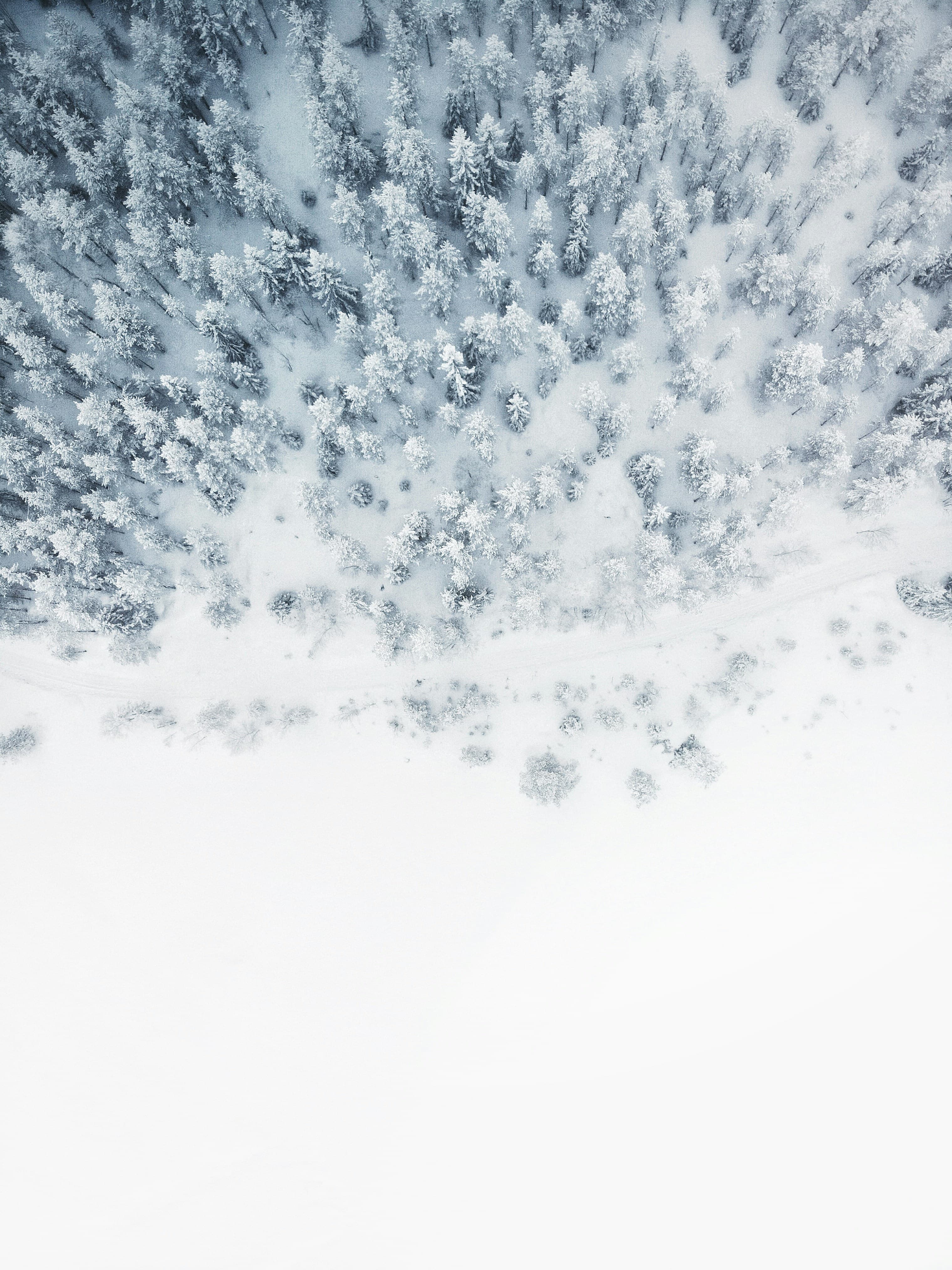
There is no hedging strategy for a bad winter. Vail Resorts, the largest ski resort operator in the world, is learning that again this season in the starkest possible terms. The company has cut its 2026 financial guidance after snowfall across key mountains hit its worst levels in three decades — conditions that cannot be compensated for by marketing spend, Epic Pass promotions, or operational efficiency. When the snow doesn't come, the skiers don't come, and the revenue math deteriorates quickly.
The Scale of the Snowfall Problem
Characterizing a ski season as the worst in thirty years is not language a company uses lightly in a guidance revision. It sets a specific historical benchmark that investors, analysts, and the financial press will verify and remember. For Vail, using that framing signals that this is genuinely exceptional — not a soft season that can be attributed to a few slow weekends or a late start, but a structural deficit in natural snow that affected terrain availability, season length, and the overall quality of the guest experience from early in the winter through the current period.
The company operates resorts across Colorado, Utah, Lake Tahoe, the Pacific Northwest, Vermont, and internationally in Canada, Australia, and Europe. A snowfall deficit of this magnitude hitting multiple destinations simultaneously suggests a broad atmospheric pattern rather than a localized weather event — which makes it harder to offset with strong performance somewhere else in the portfolio. When every major market is underperforming on snow at the same time, there is no geographic cushion.
How Weather Translates into Revenue Loss
Ski resort economics are deceptively straightforward. Lift ticket sales and ski pass activations are the core revenue engine, but they pull a significant tail of ancillary spending with them — ski rentals, lessons, lodging, food and beverage, retail. A skier who doesn't visit because conditions are poor is not just a lost lift ticket; they are a lost hotel night, a lost equipment rental, a lost lunch at the mountain, a lost après-ski round of drinks. The revenue per visitor in ski tourism is high precisely because the visit involves so many spending touchpoints, which means the loss per non-visitor is correspondingly high as well.
Epic Pass holders present a particular dynamic in poor snow years. The pass model, which Vail pioneered and which has since been widely copied, provides revenue certainty upfront — passes are sold before the season begins, regardless of conditions. But pass holders who have poor experiences or limited terrain to ski on are pass holders at elevated risk of not renewing the following year. The short-term revenue protection of pre-sold passes comes with a long-term renewal risk when the product doesn't deliver, and a historically bad snow year is exactly the scenario that tests that relationship.
The Climate Question Vail Cannot Ignore
One poor snow year can be explained as weather variability. A pattern of increasingly unreliable winters, lower natural snowpack, and shorter reliable ski seasons is a different and more existential question for the ski industry. Vail has invested heavily in snowmaking infrastructure at its resorts, recognizing that natural snow reliability is declining across most of its markets. But snowmaking has limits — it requires cold temperatures that are themselves becoming less dependable, and it cannot manufacture the deep powder that drives the premium end of the ski market.
Institutional investors with long-term holding horizons have been raising climate-related questions about ski resort valuations for several years. If snow reliability continues to decline, the business model faces structural pressure that balance sheet management and operational excellence cannot fully offset. Vail's guidance cut this year may be a weather event. The question that its long-term investors are quietly asking is whether it is also a preview.
What the Guidance Cut Signals for the Industry
Vail is the bellwether for the ski resort industry. When it cuts guidance, smaller operators — many of whom lack the geographic diversification, balance sheet depth, and pass revenue base that Vail has — are dealing with the same conditions in a much more exposed position. Regional ski areas, particularly those in lower-elevation markets that depend almost entirely on natural snow, are having an exceptionally difficult season by any measure. Some will not survive it without significant financial support or owner subsidization.
For Vail specifically, the guidance revision is painful but manageable — the company has the financial scale to absorb a bad year without existential consequences. The more important story is what comes next: how aggressively it invests in snowmaking, terrain diversification into summer and shoulder-season activities, and the pass product positioning that will need to deliver value even in winters that don't cooperate.
AI Summary
Generate a summary with AI