US-Israel strikes on Iran reach day 18 as Trump claims Tehran wants talks
US-Israel military operations against Iran entered their 18th consecutive day on Monday, with Israel launching fresh strike waves on Tehran while the diplomatic picture remained sharply contradictory. President Trump told reporters that Iran is seeking negotiations. Iranian Foreign Minister Abbas Araghchi said the same day that Iran sees no reason to speak with Americans. Those two statements cannot both be true, and neither side has produced evidence to resolve the gap.
What the strikes have targeted over 18 days
Israeli strikes throughout this campaign have focused on air defense infrastructure, missile production facilities, and command nodes around Tehran and in western Iran. The latest wave hit sites in the capital's outskirts. Iran's state media acknowledged damage to several locations without providing casualty figures, which has been the pattern throughout the campaign. Independent casualty and damage assessments have been difficult to obtain because Iran has restricted journalist access to strike sites since the operations began.
US involvement has centered on logistical support, intelligence sharing, and direct strikes on specific Iranian military targets using B-2 bombers, which the Pentagon confirmed were deployed during the first week of operations. The exact division of labor between US and Israeli strike packages has not been officially detailed, but American officials have publicly described the cooperation as coordinated rather than parallel.
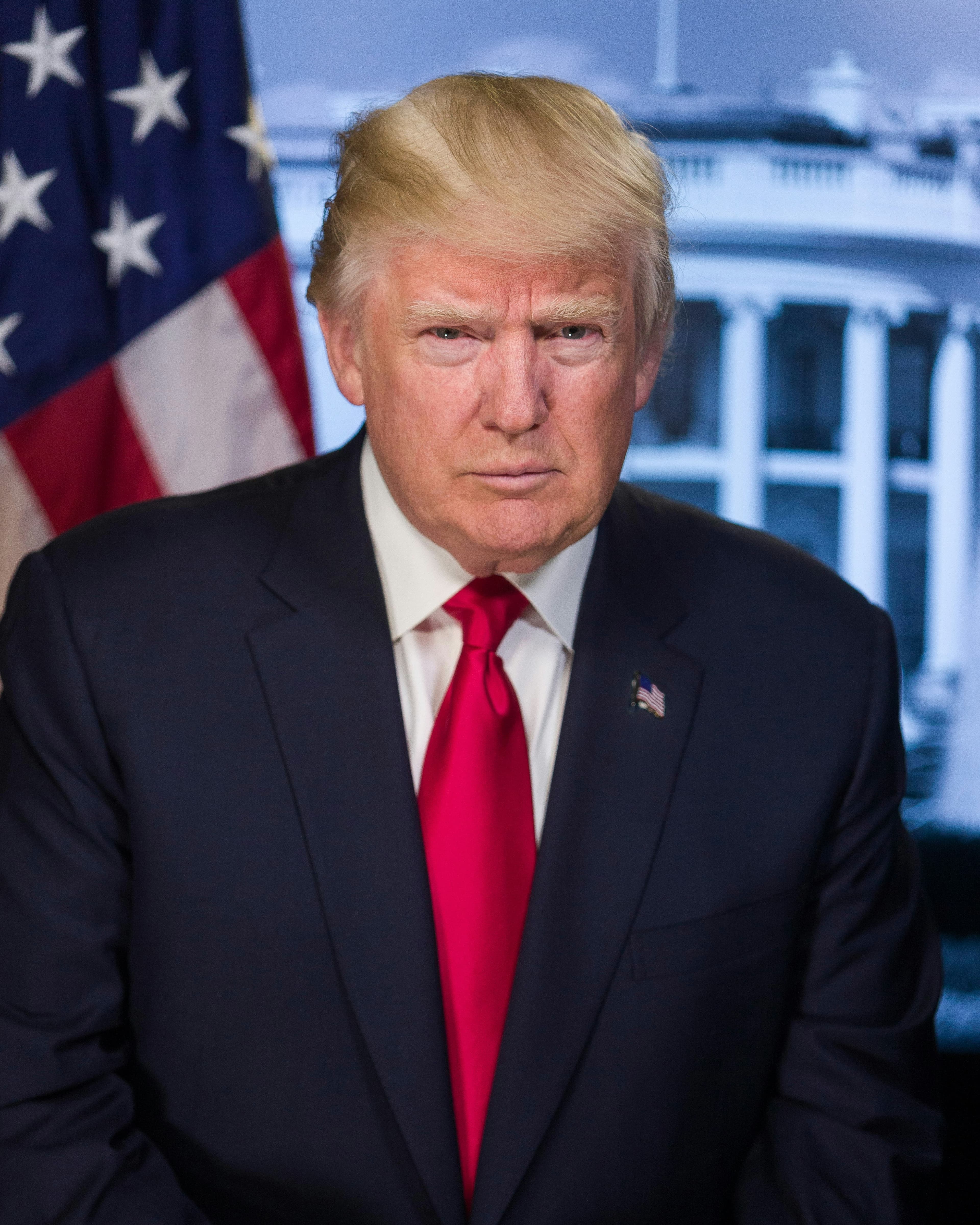
Trump's negotiation claim and Iran's response
Trump made his claim about Iranian negotiation interest without citing a source, a specific channel, or any intermediary. The White House did not follow up with documentation. This is not the first time Trump has floated the idea of talks during an active military confrontation. He made similar suggestions during the first weeks of increased pressure on Iran in 2020, and those claims also did not result in confirmed back-channel contact at the time.
Araghchi's statement was unambiguous. Speaking to Iranian state television, he said Iran will not engage in negotiations with Washington under military pressure. That position is consistent with the stance Iran has maintained since the US withdrew from the JCPOA in 2018. Tehran has historically been willing to negotiate, but only when it could frame the process as coming from a position of resistance rather than concession under duress.
Dubai airport disruption and regional spillover
Dubai International Airport suspended flights temporarily after a drone incident sparked a fire near the facility. Limited operations resumed later in the day. Dubai International handles roughly 87 million passengers annually and is one of the world's busiest transit hubs, so even a brief suspension creates significant downstream disruption for international routes across the Middle East and South Asia corridors.
The UAE has maintained a policy of official neutrality in the conflict, but its geography makes it directly exposed to any escalation that involves drone or missile activity over the Gulf. The Houthi campaign against Gulf shipping and infrastructure in 2024 demonstrated how quickly non-combatant states in the region can be pulled into operational disruptions regardless of their political stance.
Where the conflict stands at day 18
Eighteen days of continuous strikes without a ceasefire or confirmed negotiation channel puts this operation well beyond the timeline of previous Israeli-Iranian military exchanges, which have typically been contained to single-night or multi-day strike-and-response cycles. The length of this campaign suggests both sides have made a calculation that the costs of continuing are lower than the costs of stopping without achieving their stated objectives.
Iran has not launched a large-scale retaliatory strike against Israeli territory since the campaign began, which differs from the direct missile and drone barrage Iran conducted in April 2024. Whether that restraint reflects damage to Iran's strike capabilities, a deliberate political decision to avoid further escalation, or preparation for a larger response at a later date remains unclear. The next scheduled UN Security Council emergency session on the conflict is set for later this week.
AI Summary
Generate a summary with AI


