U.S. and Israel Continue Strikes Against Iran as Operation Epic Fury Enters Second Day
The Middle East woke up to a changed reality on March 2. U.S. and Israeli forces pressed forward with military strikes against Iran for a second consecutive day, continuing a campaign that has already surpassed 1,000 targets struck across the country. The operation, which President Trump named Operation Epic Fury, has now produced the first American military casualties — three service members killed and five seriously wounded — marking a threshold that transforms this from a distant air campaign into a war with direct American losses.
The backdrop to all of this is the death of Ayatollah Ali Khamenei, Iran's Supreme Leader, who was killed in the initial phase of the strikes. His death removes the central figure who has defined Iranian foreign and domestic policy for more than three decades, and the country is now operating under a hastily assembled three-person leadership council while Shia clerics work to identify a successor. Iran declared 40 days of national mourning, even as explosions continued.
The Scope of the Campaign So Far
Over 1,000 targets struck in less than 48 hours is a significant number by any historical measure. For context, the opening phase of the 2003 Iraq invasion's 'shock and awe' campaign hit roughly 1,500 targets over the first several days. The pace of this operation suggests a comprehensive target list built up over years — military installations, air defense systems, nuclear-related facilities, missile production sites, and command infrastructure. U.S. defense officials have not released a full accounting of what was hit, but satellite imagery and regional reports are beginning to fill in pieces of the picture.
The Israeli component of the operation is significant both militarily and diplomatically. Israel has conducted strikes inside Iran before — most notably targeting nuclear facilities — but a coordinated, sustained joint campaign with the United States is categorically different. It represents the deepest operational alignment between the two militaries in history, and it forecloses certain diplomatic off-ramps that might otherwise exist if only one party were involved.
The First American Casualties and What They Mean
Three U.S. service members killed changes the domestic political calculus in ways that air campaigns conducted from a distance do not. American deaths in combat have historically shifted public opinion quickly and intensified congressional scrutiny of military operations, regardless of partisan alignment. The Trump administration will face pressure to explain the circumstances — where these service members were deployed, how they came under fire, and what force protection measures were in place.
The five who were seriously wounded add to the human weight of that accounting. Military hospitals in the region are handling casualties from a conflict that, as recently as a week ago, most Americans were not aware was imminent. The speed of escalation — from no public warning to active combat deaths within days — is itself part of the story.
Iran's Leadership Vacuum and What Comes Next
The killing of Khamenei is an event without modern precedent in Iranian political history. He had held the position of Supreme Leader since 1989, following the death of Ayatollah Khomeini, and had shaped every major decision Iran made in that period — its nuclear program, its support for regional proxy forces, its relationship with the West, and the brutal suppression of domestic dissent. His death creates a power vacuum that the three-person council cannot fully fill, and the process of selecting a new Supreme Leader is not designed to function under active military bombardment.
The 40-day mourning period declared by Iranian authorities is a religious and cultural tradition, but in practical terms it also buys the remaining leadership structure some time to consolidate without being expected to make immediate major decisions. Whether Iran's military and Revolutionary Guard command structures remain coherent enough to mount organized retaliatory operations — against U.S. forces in the region, against Israel, or through proxy networks — is the most pressing question for regional security analysts right now.
Congressional Pushback and the War Powers Question
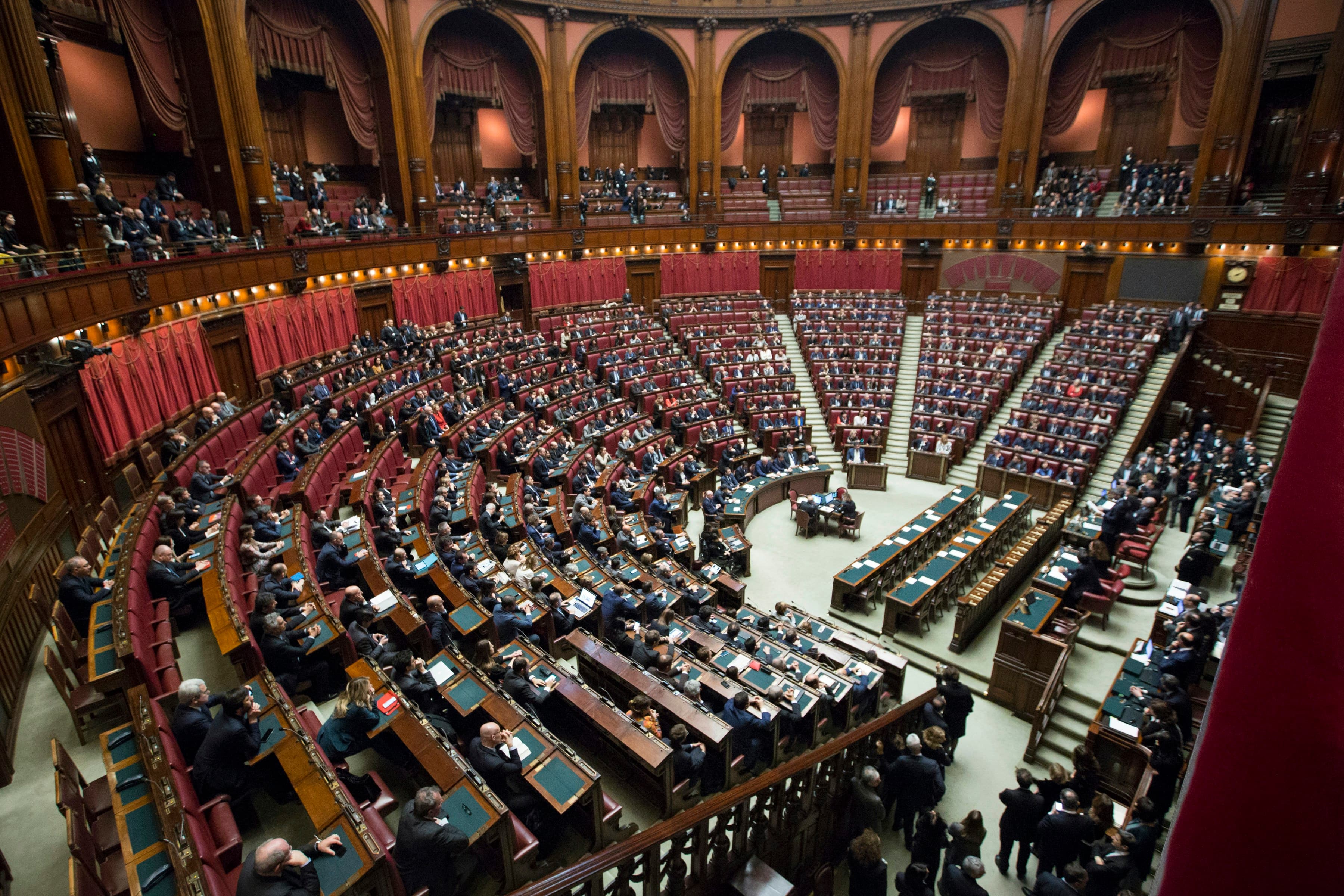
Back in Washington, the operation has triggered one of the most serious war powers confrontations in years. Members of Congress from both parties are demanding answers about the legal authority under which the strikes were launched and what congressional notification, if any, occurred before the campaign began. The War Powers Resolution requires the president to notify Congress within 48 hours of introducing forces into hostilities — a clock that has already run out, and which the administration has so far not publicly addressed.
The practical reality is that with active operations underway and American casualties already taken, the political leverage to force a halt is limited. But the congressional push to require authorization for any expansion of the campaign — and to establish formal oversight mechanisms — reflects genuine alarm about the pace and scale of what has already happened. How that tension resolves itself in the coming days will shape the domestic politics of this conflict for months.
Global Reactions and the Regional Ripple Effect
The international response has been swift and mostly alarmed. European allies have called for restraint and urged a path to de-escalation without explicitly condemning the strikes. Russia and China have issued stronger statements, framing the operation as an illegal attack on Iranian sovereignty. Gulf states are in a complicated position — many have their own fraught relationships with Iran, but a destabilized Iran with a leadership vacuum is not straightforwardly in their interest either.
Oil markets opened sharply higher on March 2, reflecting the simple arithmetic of a conflict involving one of the world's significant oil producers and taking place in a region through which a large share of global oil supply flows. How long the operation continues, and what shape Iran's response takes, will determine whether this is a short-term market shock or the beginning of something with longer economic consequences.
AI Summary
Generate a summary with AI


