US Congress Resignations Spark Push for Accountability Reforms
A series of resignations within the US Congress has triggered a renewed debate over accountability and public trust. Lawmakers from both major parties are now under pressure to respond, not just with statements but with concrete proposals that address ethical conduct and transparency. The issue has moved quickly from political headlines to legislative conversations, with reform ideas gaining traction in committee discussions.
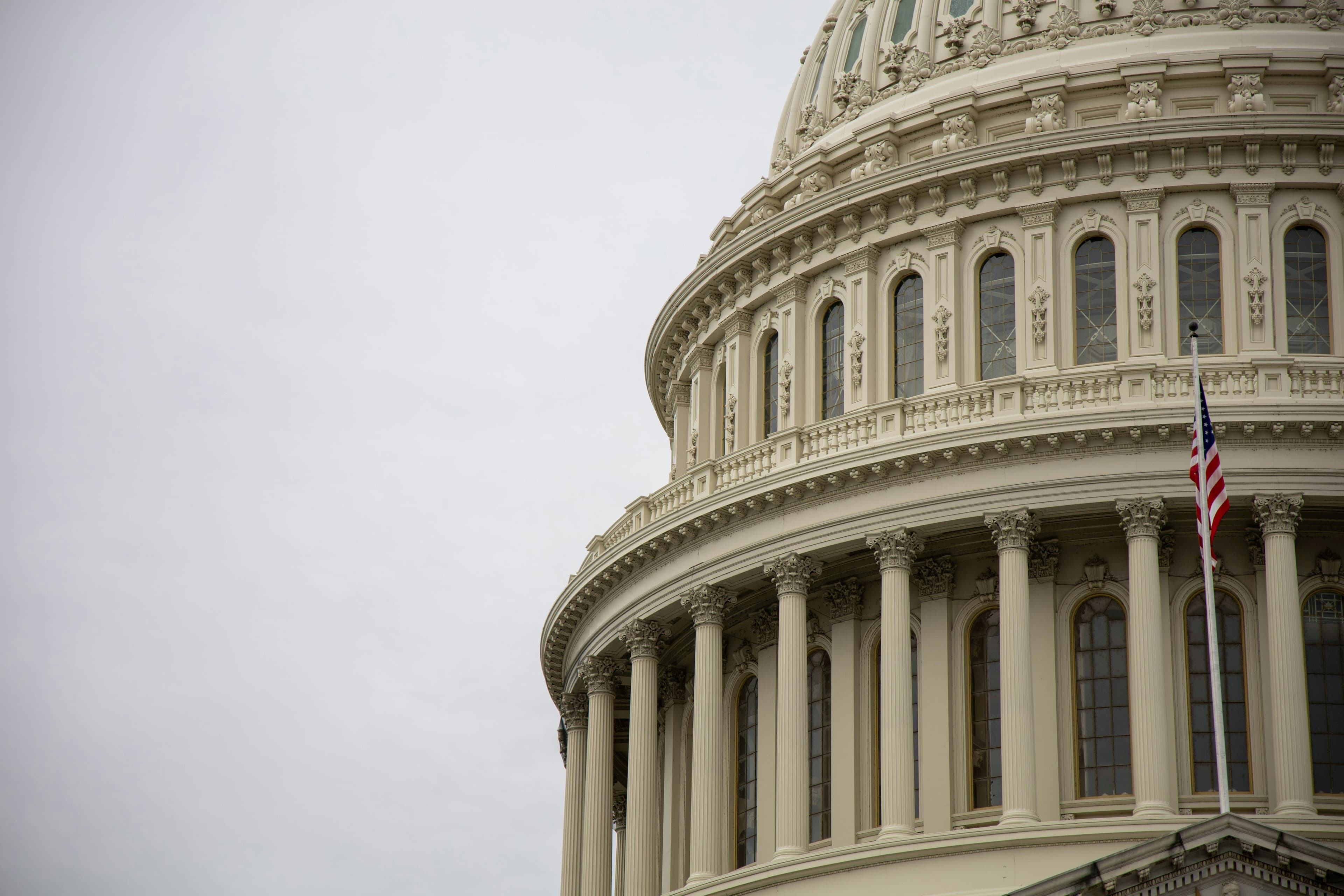
Recent exits from Congress have followed allegations ranging from misuse of funds to ethical violations. Each resignation has added to a growing sense among voters that oversight mechanisms are either too slow or not strong enough. In response, several lawmakers have proposed stricter disclosure requirements, faster ethics investigations, and clearer penalties for misconduct.
why the current system is under scrutiny
The House Ethics Committee and Senate Ethics Committee already exist to review complaints, but critics argue that the process lacks urgency. Investigations can take months or even years, and outcomes are not always made public in full detail. This gap has raised questions about whether internal oversight alone is enough to maintain accountability in a political environment that is already polarized.
Public confidence has taken a hit. Polling data from recent years shows declining trust in Congress, with approval ratings often hovering below 25 percent. When resignations occur without clear explanations or consequences, it reinforces the perception that elected officials are not held to the same standards as ordinary citizens.
proposed reforms on the table
Several reform ideas are now being discussed in Washington. One proposal calls for an independent ethics body with authority to initiate investigations without waiting for internal approval. Another suggests stricter financial disclosure rules, including real-time reporting of stock trades and outside income. Some lawmakers are also pushing for mandatory ethics training with enforceable penalties for violations.
There is also debate over whether term limits could reduce long-term conflicts of interest. While this idea has support among some voters, it remains controversial among lawmakers who argue that experience in office is necessary for effective governance.
political challenges to reform
Passing any reform will not be simple. Ethics rules often require bipartisan agreement, and political calculations can slow progress. Lawmakers may support stricter rules in principle but hesitate when those rules apply to their own party members. This tension has stalled previous reform attempts, even when public pressure was high.
Still, the current wave of resignations has created a moment that lawmakers cannot easily ignore. The conversation has shifted from whether changes are needed to what form they should take. Committee hearings and draft bills are expected to continue over the coming months, with some proposals likely to reach the floor for debate.
Whether these efforts result in lasting change will depend on how far lawmakers are willing to go in tightening rules that govern their own conduct. The next set of ethics proposals is expected to be introduced during the current congressional session, with votes possible before the end of the year.
AI Summary
Generate a summary with AI