UN Security Council Fails to Pass Ceasefire Resolution Following Third Veto
The United Nations Security Council met in emergency session in New York with the world watching closely, hoping for a pause in a conflict that has already pushed the region to the edge. Instead, the meeting ended in familiar disappointment. For the third time, a ceasefire resolution failed after the United States exercised its veto, blocking a proposal that called for an immediate halt to Operation Epic Fury. The decision has reignited debate over the Council’s relevance and its ability to respond when global tensions demand swift action.
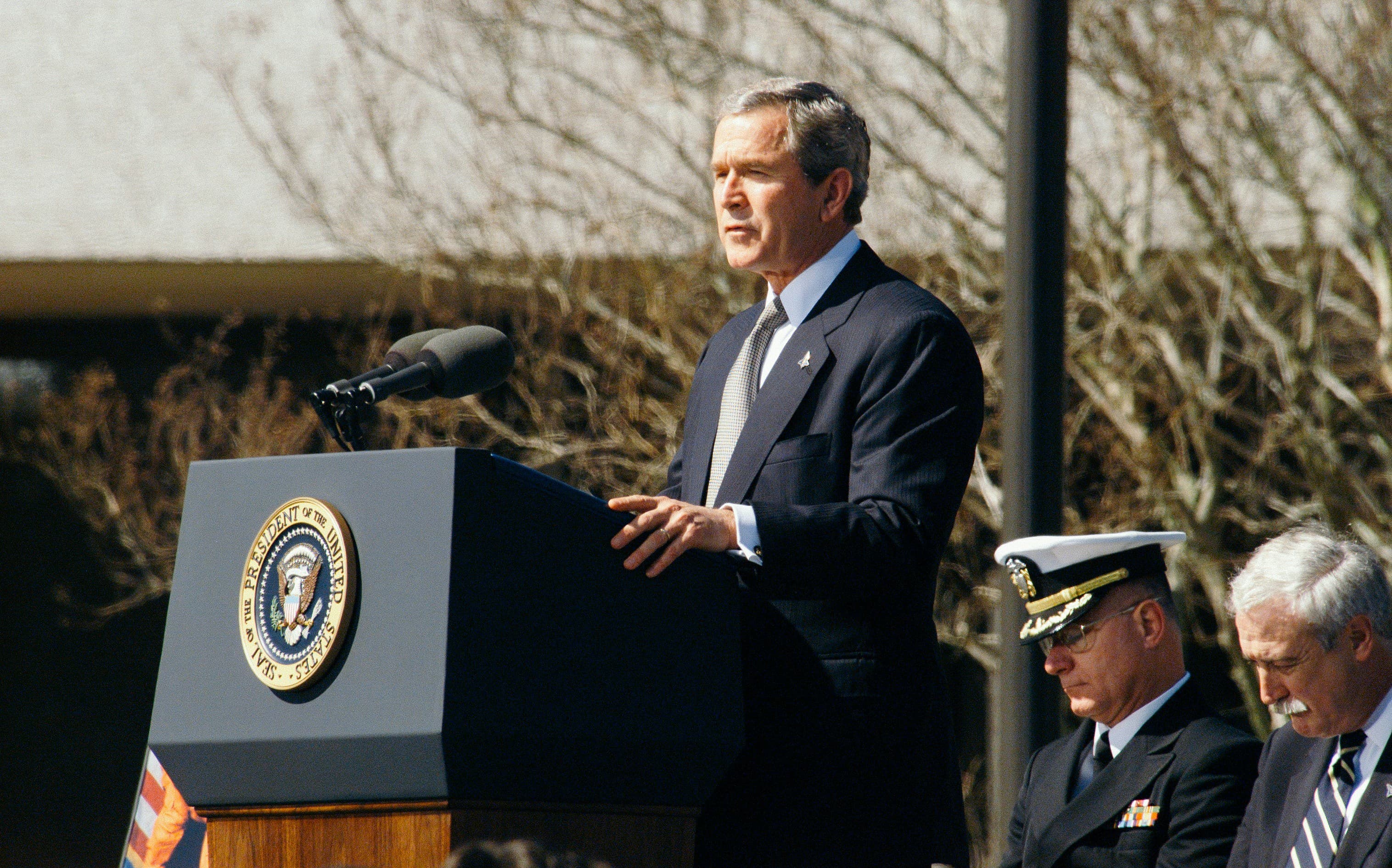
What Happened Inside the Council Chamber
The draft resolution was backed by a majority of Council members and framed around a straightforward demand: an immediate ceasefire to prevent further civilian casualties and allow humanitarian access. Supporters argued that the situation on the ground had deteriorated rapidly, leaving little room for delay. When the vote was called, the numbers were clear enough to pass, but the veto power of a single permanent member once again overruled the majority.
The United States defended its decision by pointing to security concerns and the need for what it described as a more balanced approach. According to US diplomats, the resolution failed to address underlying threats tied to Operation Epic Fury and could have weakened ongoing diplomatic efforts behind the scenes. Critics, however, saw the veto as a continuation of a pattern that places strategic alliances above immediate humanitarian needs.
International Reactions and Rising Frustration
Reactions from other member states were swift and, in many cases, sharp. Several ambassadors spoke openly about their frustration, warning that repeated vetoes risk eroding trust in the Council’s credibility. Representatives from non-permanent members stressed that people caught in the conflict pay the price when diplomatic deadlock becomes routine.
Outside the UN, humanitarian organizations echoed these concerns. Aid groups highlighted worsening shortages of food, medical supplies, and safe corridors for civilians. For them, the failure to secure a ceasefire was not an abstract diplomatic setback but a decision with immediate consequences on the ground.
Why This Veto Matters Beyond One Conflict
This third veto is significant not only because of the conflict it affects, but because it underscores long-standing structural issues within the Security Council. The veto power, designed decades ago to prevent direct confrontation between major powers, increasingly appears out of step with modern crises that demand collective responsibility.
Each blocked resolution feeds a broader conversation about reform. While meaningful change remains politically difficult, moments like this intensify calls for limits on veto use in situations involving large-scale humanitarian harm. Whether those calls translate into action is another question entirely.
What Comes Next
For now, the path forward is uncertain. Diplomats are expected to continue negotiations, possibly seeking alternative wording that could avoid another veto. Some member states may also turn to the UN General Assembly or regional forums to apply pressure and keep the issue alive.
What is clear is that the failure of this ceasefire resolution has left many questioning how effective the world’s most powerful diplomatic body can be when consensus matters most. As Operation Epic Fury continues, the gap between diplomatic debate and realities on the ground continues to widen, with civilians once again caught in the middle.
AI Summary
Generate a summary with AI