UK local elections increase pressure on Keir Starmer
Local elections across England, Scotland, and Wales have turned into a serious political test for Prime Minister Keir Starmer and the Labour Party. Millions of voters headed to polling stations as frustration over public services, immigration, taxation, and the cost of living continued to shape the national mood.
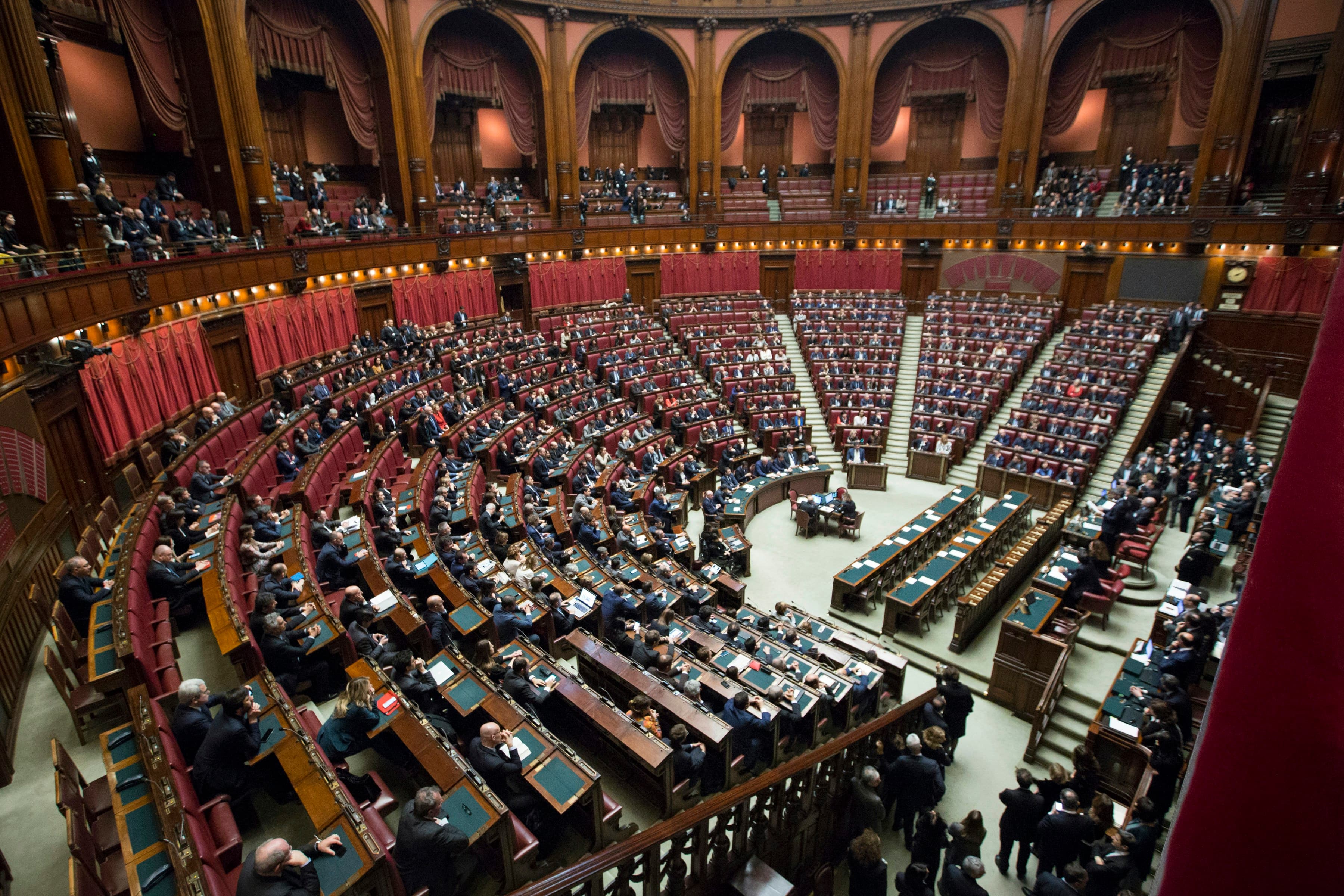
Although local elections usually focus on councils and regional issues, this year's results carried far more political weight. Labour entered the contests facing criticism from both traditional opponents and smaller parties that believe Starmer has struggled to deliver clear economic improvements after taking office.
Reform UK and Greens increase pressure
Reform UK continued gaining attention in several parts of England, particularly in areas where voters remain dissatisfied with immigration policy and economic conditions. The party has managed to pull support away from both Labour and the Conservatives by focusing on border controls, taxation, and anti-establishment messaging.
The Green Party also performed strongly in urban councils and university towns where housing costs and environmental concerns remain major political issues. Their gains added another layer of difficulty for Labour because progressive voters in some areas no longer appear fully satisfied with Starmer's cautious political approach.
Labour faces expectations after national victory
When Labour returned to power nationally, many supporters expected faster progress on living costs, healthcare waiting times, and economic growth. Local election campaigns revealed growing impatience among voters who feel everyday conditions have not improved quickly enough.
Starmer has tried to position Labour as a stable governing party focused on fiscal discipline and public sector reform. That strategy helped attract moderate voters during the general election campaign, though it has also frustrated parts of Labour's traditional base. Some activists argue the government has become too cautious on spending and welfare policy.
Regional politics remain deeply divided
The elections also exposed continuing regional divides inside the United Kingdom. Scottish politics remains heavily shaped by debates over independence, while Welsh voters focused heavily on local healthcare and transport issues. In parts of northern England, frustration over economic inequality and infrastructure spending remained visible throughout the campaign.
Conservative losses in several councils did not automatically translate into overwhelming Labour victories. Instead, the vote often fragmented across smaller parties and independents. That fragmentation creates a more unpredictable political environment ahead of future national elections.
For Starmer, the immediate political danger is perception. Local election setbacks rarely remove a prime minister, but they can weaken authority inside parliament and increase pressure from restless party members. Labour now faces demands to show clearer economic results before the next major national vote arrives.
AI Summary
Key insights from this article


