Trump signs executive order restricting mail-in voting before 2026 midterms
President Trump signed an executive order Wednesday targeting mail-in voting, with Commerce Secretary Howard Lutnick present at the Oval Office signing. The order directs the Department of Homeland Security to build state-level citizenship verification lists and expands federal authority over the United States Postal Service specifically around the distribution of unsolicited ballots. With the 2026 midterm elections less than seven months away, voting rights organizations have already signaled they will challenge the order in federal court.
What the order directs federal agencies to do
The DHS citizenship list component would require the department to compile voter eligibility data across states, cross-referencing immigration records and other federal databases to flag registered voters whose citizenship status is unclear. States that already use the SAVE system, which is a DHS database used to verify immigration status for public benefits, would likely be the model. Currently, 28 states use SAVE for some voter registration verification purposes, though the depth of that use varies considerably by state law.
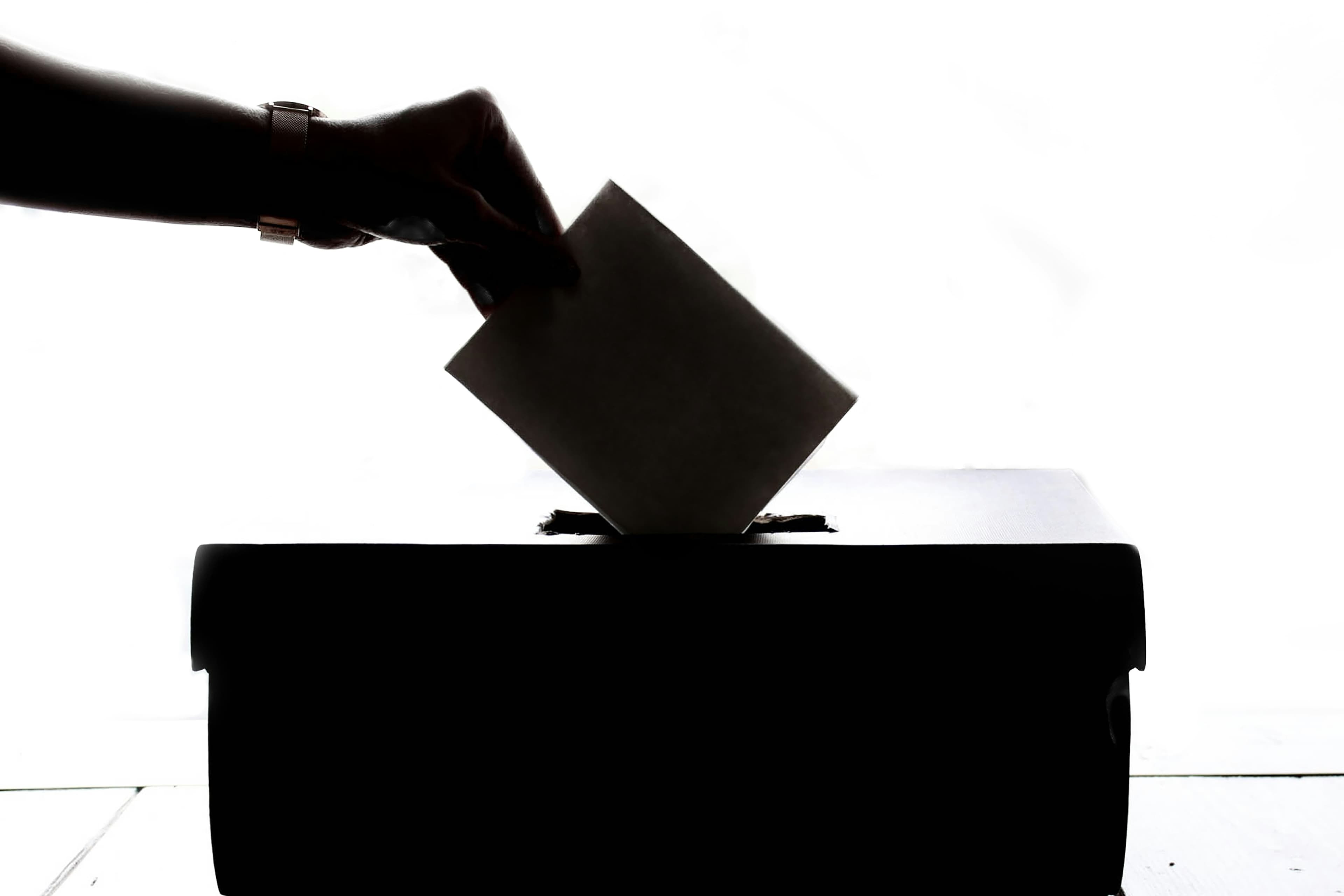
The USPS component addresses what the administration calls unsolicited ballot distribution. During the COVID-19 pandemic, several states mailed ballots or ballot applications automatically to all registered voters without those voters requesting them. Some states, including California, Nevada, and Colorado, made that practice permanent. The executive order gives federal agencies new authority to restrict USPS cooperation with state programs that send ballots to voters who have not requested them. Whether that authority overrides state election law is the central legal question the order will face in court.
The legal argument against the order
Election law is primarily a state function under the U.S. Constitution. Article I, Section 4 gives Congress, not the president, authority to regulate the time, place, and manner of federal elections. Presidents do not have direct constitutional authority to unilaterally change how states run their elections. The Brennan Center for Justice, which has already drafted a legal response framework for expected litigation, argues that this executive order exceeds presidential authority for the same structural reason that previous voting-related executive actions have been blocked by federal courts.
The USPS piece is particularly likely to be challenged quickly. The postal service operates under congressional charter, and its obligations to deliver mail including election materials are governed by statute. An executive order directing USPS to limit its cooperation with state ballot programs arguably conflicts with existing postal law and could be challenged not just by advocacy groups but by states themselves, several of which have already indicated they will file suit.
How mail-in voting has actually been used
Mail-in voting has grown steadily over the past two decades regardless of which party controlled the White House or Congress. In the 2020 presidential election, approximately 46 percent of all votes cast were by mail, according to the MIT Election Data and Science Lab. That number dropped to roughly 32 percent in the 2022 midterms as in-person voting rebounded after pandemic restrictions lifted. Republicans historically used mail-in voting at similar rates to Democrats until Trump began publicly discouraging it ahead of the 2020 election, at which point Republican mail-in ballot use dropped sharply in states where the party had traditionally relied on it, including Florida.
Studies of mail-in voting fraud rates have consistently found the practice produces very low fraud rates. A comprehensive review by the Heritage Foundation, which generally favors stricter election laws, identified 1,340 proven instances of election fraud across all methods nationwide between 1982 and 2022, a period covering hundreds of millions of votes cast. Mail-in specific fraud cases made up a fraction of that already small total.
Lutnick's role and the Commerce Department connection
Commerce Secretary Howard Lutnick's presence at the signing was not ceremonial. The Commerce Department oversees the Census Bureau, which produces the population data that state voter rolls draw on. If DHS works with Commerce to build the citizenship verification lists described in the order, Lutnick's department would likely be a primary data partner. The administration has not publicly detailed the exact technical architecture for how the citizenship lists would be built or how discrepancies would be resolved before voters are notified of any change to their registration status.
The American Civil Liberties Union announced within hours of the signing that it was preparing a legal challenge. The League of Women Voters, which has successfully blocked several state-level voting restriction laws in recent years, also issued a statement saying it would pursue litigation. Federal courts have until the fall 2026 election cycle to resolve any injunctions, meaning the timeline for enforcement is tight regardless of how quickly lawsuits are filed.
AI Summary
Generate a summary with AI