Super Micro Computer co-founder indicted for smuggling Nvidia AI chips to China
Federal prosecutors have charged three individuals in connection with an alleged scheme to smuggle advanced Nvidia AI servers to China through Southeast Asian intermediaries. One of those charged is a co-founder of Super Micro Computer, who has since resigned from the company's board. The indictment centers on Nvidia server hardware subject to U.S. export controls, hardware that the defendants allegedly rerouted to Chinese buyers by running it through third countries to obscure the final destination.
How the alleged scheme worked
U.S. export controls restrict the sale of high-performance AI chips to China, a policy that has been tightened considerably since 2022. The controls apply not just to chips sold individually but to servers that contain them, which is where the alleged scheme comes in. According to the indictment, the defendants arranged for Nvidia AI servers to be shipped to companies in Southeast Asia, which then forwarded them to China. This kind of transshipment approach is a known workaround that U.S. authorities have been trying to close off, and it explains why the Commerce Department has been adding foreign distributors to its entity list over the past two years.
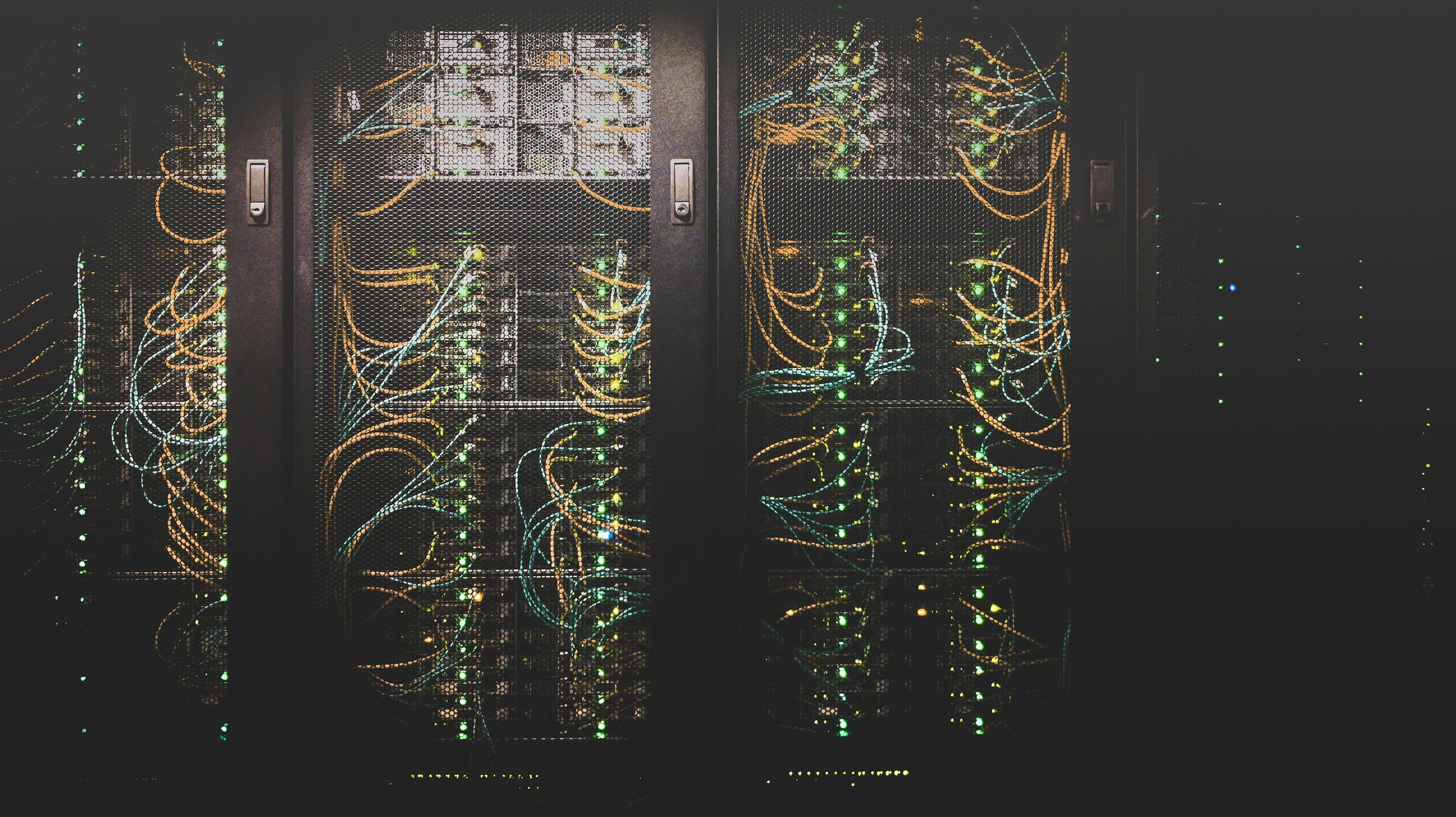
The servers at the center of this case are built around Nvidia's high-end data center GPUs, the kind used for large-scale AI model training. These are not consumer graphics cards. A single server rack loaded with Nvidia H100 chips can cost several hundred thousand dollars, and access to them has become a geopolitical issue in its own right given how central they are to building competitive AI infrastructure.
Who was charged and what Super Micro said
The three individuals charged include Yih-Shyan Liaw, a co-founder of Super Micro Computer. Liaw stepped down from the company's board following the indictment. Super Micro issued a statement saying it is cooperating with authorities and that the alleged conduct was not carried out on behalf of the company. Whether that framing holds up under scrutiny will depend on what prosecutors can establish about the defendants' roles and whether any corporate resources or relationships were involved.
Super Micro has had a complicated few years. The company already went through an accounting investigation and a delayed annual report in 2023, which led to a temporary Nasdaq delisting warning before it resolved its filings. An indictment involving a co-founder, even one who has left the board, is another reputational hit at a time when the company was trying to rebuild investor confidence.
The broader context of AI chip export enforcement
This case is part of a wider enforcement push. The Biden administration expanded chip export restrictions in October 2023, adding new categories of chips and requiring licenses for exports to a broader set of countries. The Commerce Department has also been tracking transshipment routes through the UAE, Malaysia, and other regional hubs. Criminal charges of this kind are relatively rare. Most enforcement actions come through civil penalties or entity list designations, so a federal indictment signals that prosecutors believe they have strong evidence of deliberate evasion.
Nvidia itself is not implicated in the case. The company sells chips and servers through a network of distributors and has no control over what happens after a sale clears export compliance checks. That said, Nvidia has been navigating the export restrictions carefully, releasing modified versions of its data center chips, such as the H800, specifically designed to comply with the rules while still being sold in China. The H800 has since been restricted as well under updated 2023 rules.
What happens next in the case
The three defendants face charges under the Export Control Reform Act, which carries penalties of up to 20 years in prison per count. The case will proceed through the federal court system, and given the technical complexity of the hardware involved, the trial is likely to require expert testimony on how the servers were configured and what their capabilities are relative to the export thresholds. Super Micro's stock dropped following the news, though the company's core business selling servers to data centers remains separate from this legal matter.
AI Summary
Generate a summary with AI