Study finds nearly half of dementia cases linked to modifiable risk factors
New research published on March 12, 2026 estimates that close to half of all dementia cases globally may be attributable to risk factors that people can actually change. The study, which analyzed data across dozens of longitudinal population studies, identified smoking, cardiovascular disease, physical inactivity, and social isolation as among the factors with the largest measurable contributions to dementia risk. The implication is direct: a substantial portion of dementia burden is not inevitable, and targeted interventions addressing these factors could reduce the number of people developing the condition.
To put that in concrete terms: the World Health Organization estimated in its 2023 Global Status Report on the Public Health Response to Dementia that approximately 57 million people were living with the condition globally, a number projected to reach 139 million by 2050. If close to half of those cases are attributable to modifiable factors, the potential scale of prevention is enormous. Even a 10 percent reduction in risk factor prevalence across populations has been estimated to reduce dementia cases by around 8.8 percent, according to a Lancet Commission analysis published in 2024.
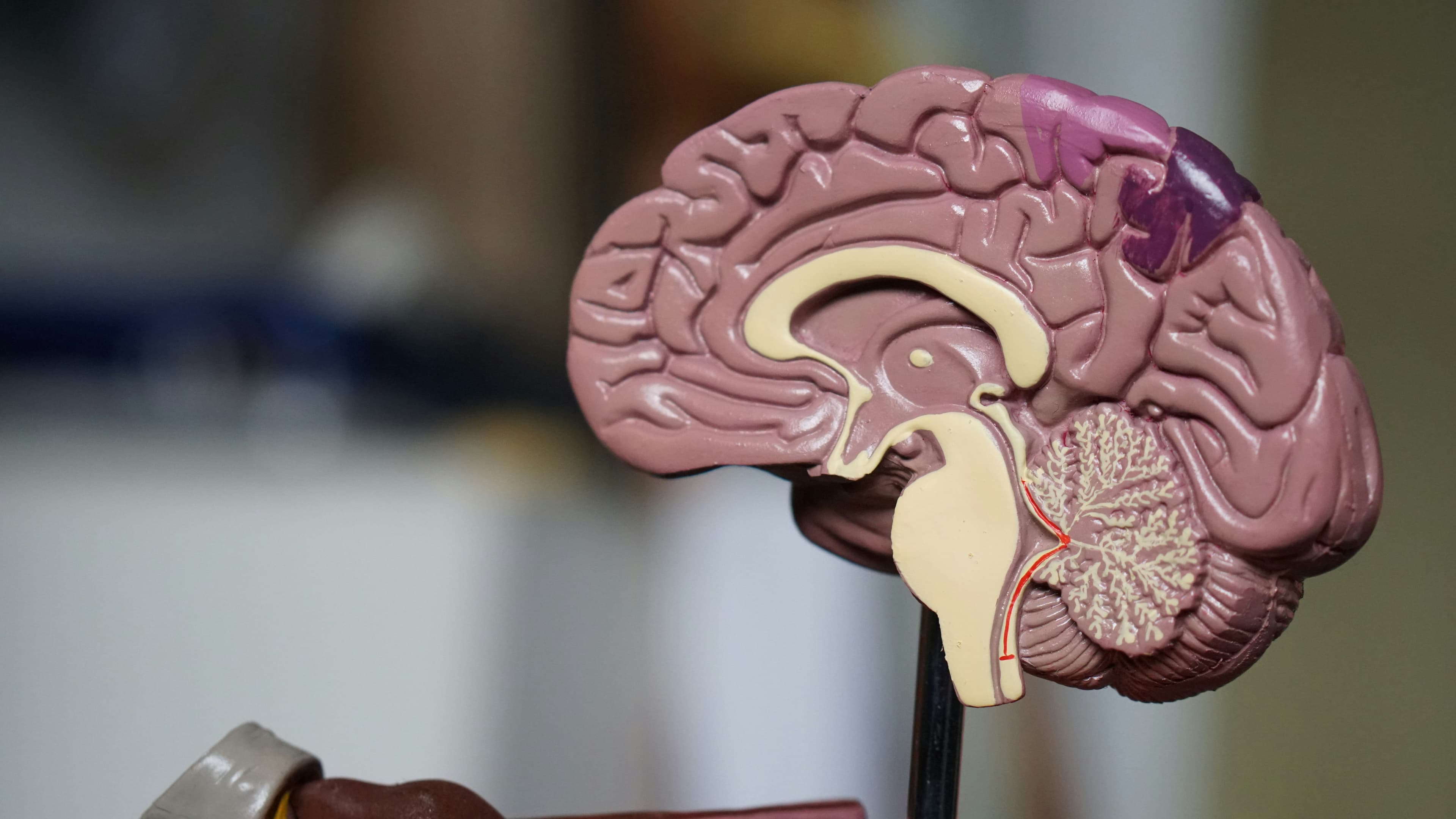
Which risk factors carry the most weight
The study assigns population attributable fractions to each risk factor, meaning the estimated percentage of dementia cases that would be prevented if that risk factor were eliminated entirely from the population. Hypertension in midlife carries one of the largest individual fractions, estimated at around 7 percent of total dementia cases. Physical inactivity accounts for approximately 5 percent. Smoking contributes around 5 percent as well. Social isolation, which has attracted growing research attention since the COVID-19 pandemic dramatically increased it across older populations, accounts for an estimated 4 percent.
Hearing loss in midlife is another factor with a larger contribution than most people expect, estimated at around 8 percent of dementia cases in the Lancet Commission's 2024 model. The mechanism involves cognitive reserve: the brain compensates for poor hearing by diverting cognitive resources to auditory processing, which may accelerate the depletion of neural reserve available to resist neurodegeneration. Treating hearing loss with hearing aids in people who have it has been associated with a 19 percent lower dementia risk in an 11-year follow-up study of 437,704 UK Biobank participants published in the Lancet Public Health in 2023.
Why cardiovascular risk factors matter for the brain
The connection between cardiovascular health and dementia is now well-established enough that some researchers have started describing dementia risk as an extension of cardiovascular risk management. The brain consumes approximately 20 percent of the body's total energy despite accounting for only about 2 percent of body weight. That consumption is entirely dependent on consistent blood flow. Conditions that compromise blood vessel integrity, including hypertension, type 2 diabetes, and atherosclerosis, reduce the brain's blood supply over years and decades, producing damage that can present as vascular dementia or that accelerates Alzheimer's pathology in people who are genetically susceptible.
The FINGER trial, a randomized controlled trial involving 1,260 Finnish adults aged 60 to 77 at elevated dementia risk, found that a two-year multidomain intervention addressing diet, exercise, cognitive training, and vascular risk monitoring produced a 25 percent improvement in cognitive performance compared to control participants receiving general health advice. The FINGER results, published in the Lancet in 2015 and followed up through 2023, remain the strongest evidence from a randomized controlled trial that lifestyle-based interventions can measurably affect cognitive trajectories in older adults at risk.
Social isolation as an underappreciated risk factor
Social isolation is the risk factor that has received the least systematic attention in public health planning relative to its estimated contribution. It is harder to address through policy than smoking or hypertension, which have well-established pharmacological and regulatory interventions. Social isolation affects brain health through several pathways: it reduces cognitive stimulation, increases depression risk, disrupts sleep regulation, and is associated with elevated cortisol levels that have downstream effects on hippocampal volume. The hippocampus, the brain region most associated with memory formation, shows accelerated atrophy in chronically socially isolated older adults compared to socially active peers.
A 2022 analysis of 38 prospective studies covering 2 million participants found that social isolation increased dementia risk by 26 percent and that loneliness, a subjective measure distinct from objective social contact, increased risk by 14 percent. The COVID-19 pandemic significantly increased both isolation and loneliness in older populations globally between 2020 and 2022, and researchers are watching longitudinal cohort data carefully to determine whether that period of elevated isolation translates into higher dementia incidence rates in the late 2020s and 2030s.
What this means for public health policy and pharmaceutical research
The pharmaceutical approach to dementia has had a difficult decade. Multiple large-scale trials of amyloid-targeting antibodies failed to produce meaningful clinical benefit in Alzheimer's patients despite successfully clearing amyloid plaques from the brain. Lecanemab, approved by the FDA in January 2023 under accelerated approval and receiving full approval in July 2023, does slow cognitive decline in early Alzheimer's patients, but by a modest 27 percent over 18 months in the CLARITY AD trial, and it carries risks of brain swelling and bleeding that require MRI monitoring.
The March 2026 study argues implicitly that prevention deserves at least as much investment as treatment. The cost of lecanemab is approximately $26,500 per year per patient in the United States, before infusion costs and monitoring. The annual cost of a structured lifestyle intervention program comparable to FINGER, when delivered through community health settings, has been estimated at approximately $1,000 to $1,500 per participant in Nordic healthcare systems. If the attributable risk fractions hold across populations, the prevention approach produces more dementia-free years per dollar spent. The research team has indicated they are working with the WHO's Global Action Plan on Dementia to incorporate the updated risk factor data into revised prevention guidelines expected later in 2026.
AI Summary
Generate a summary with AI


